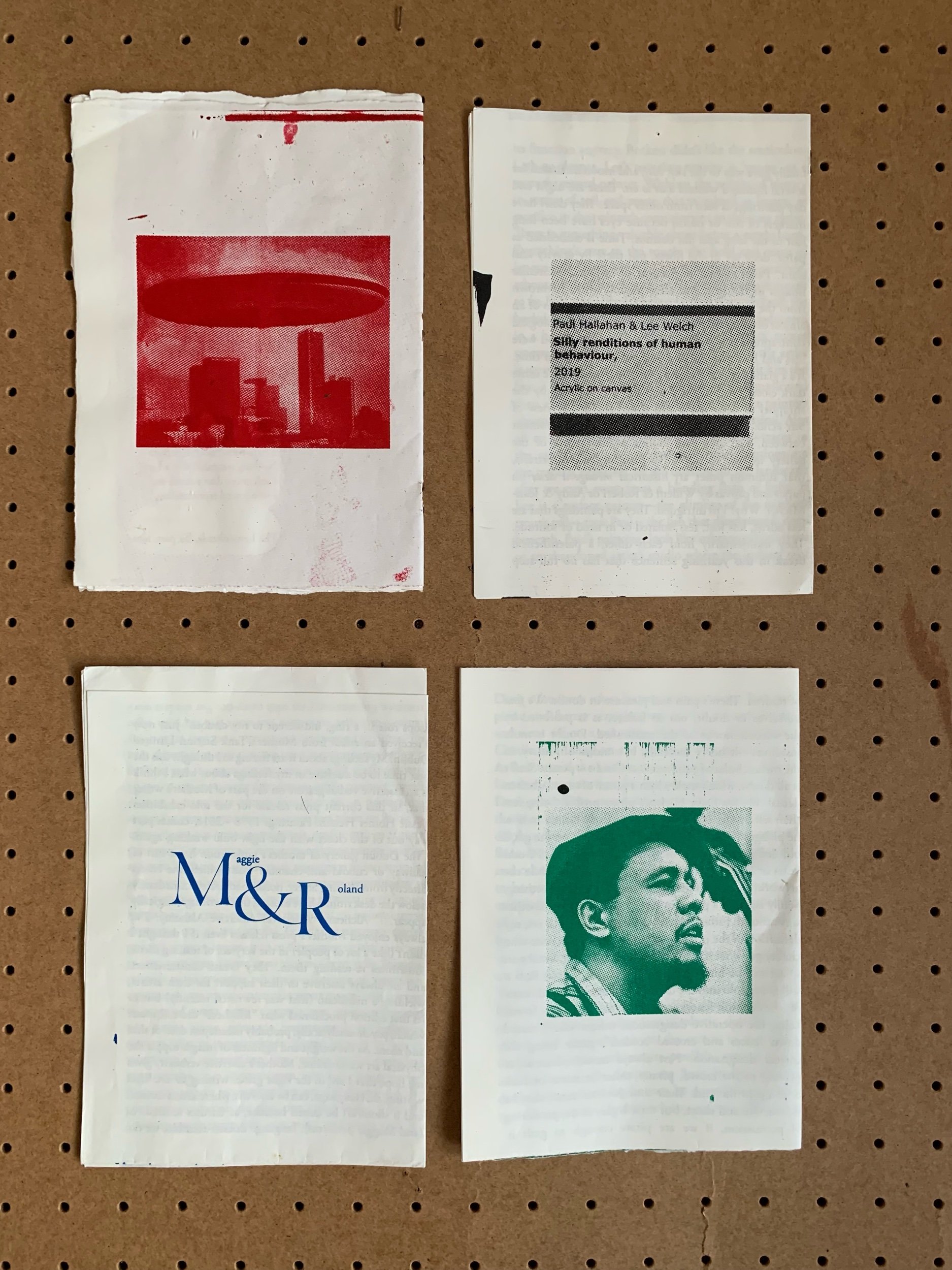
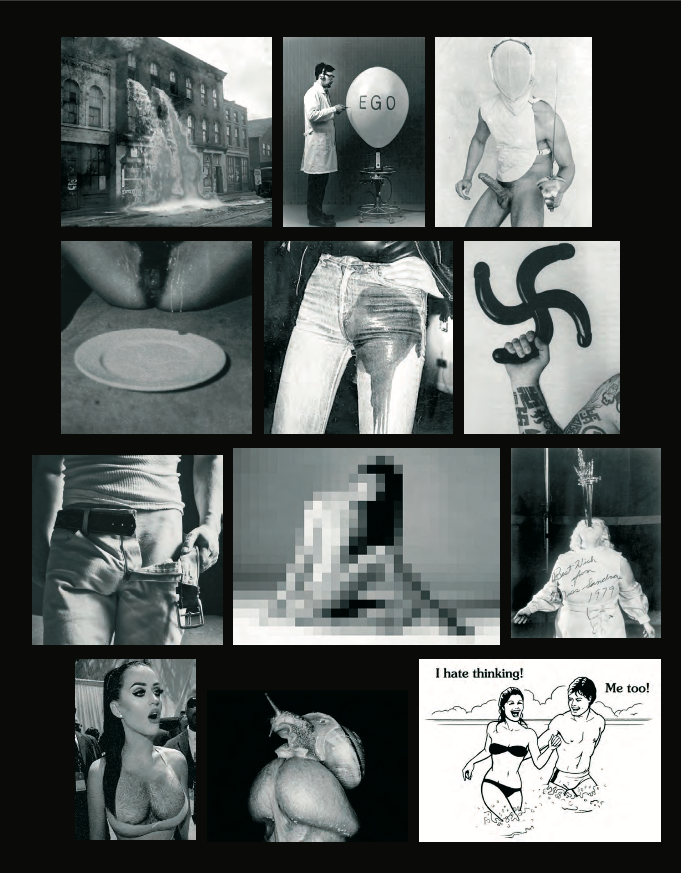
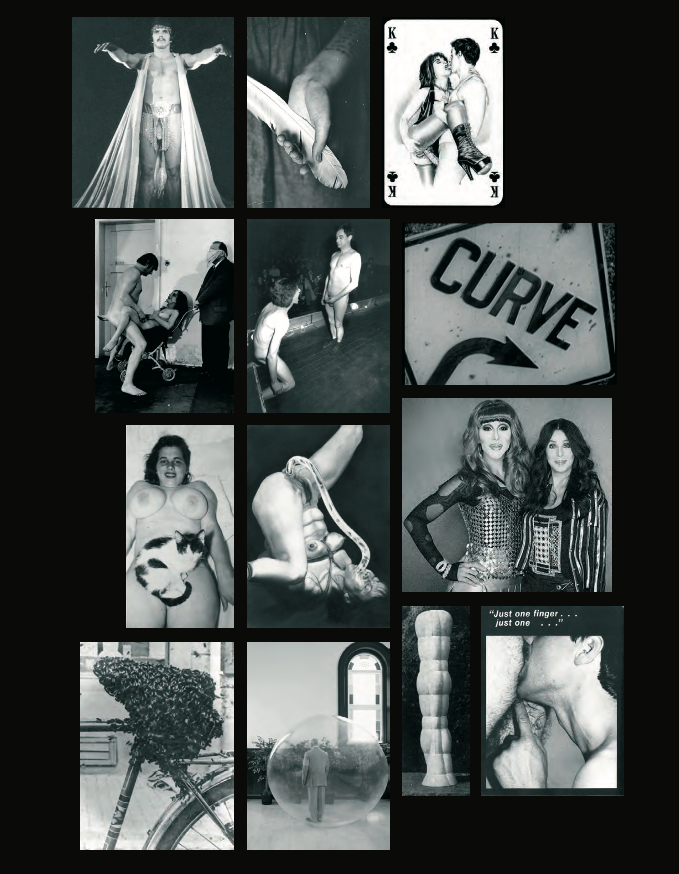
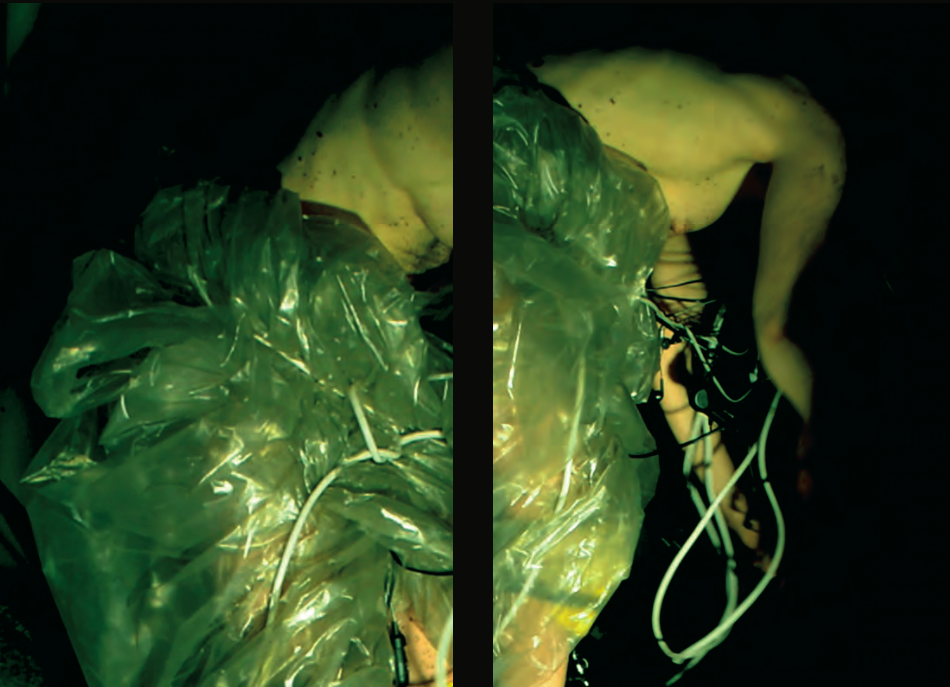
ORPHANS

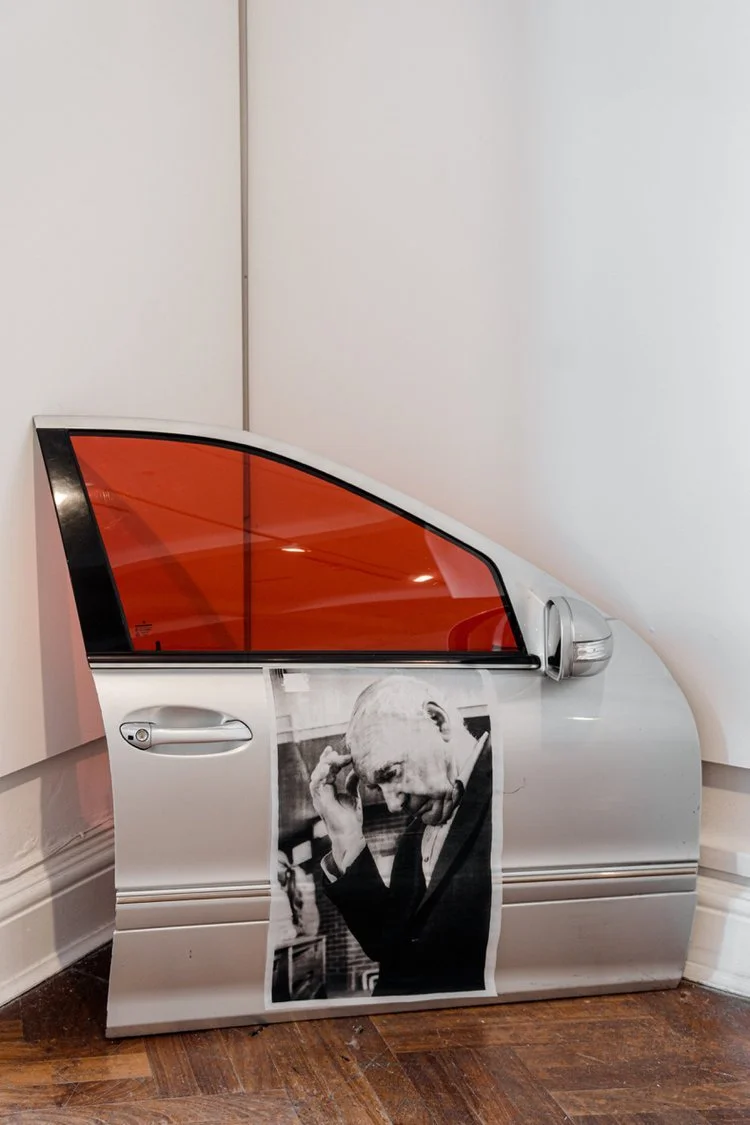
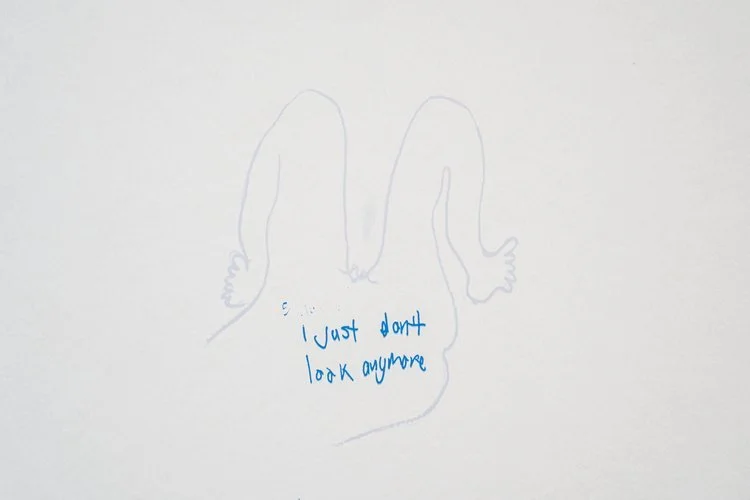
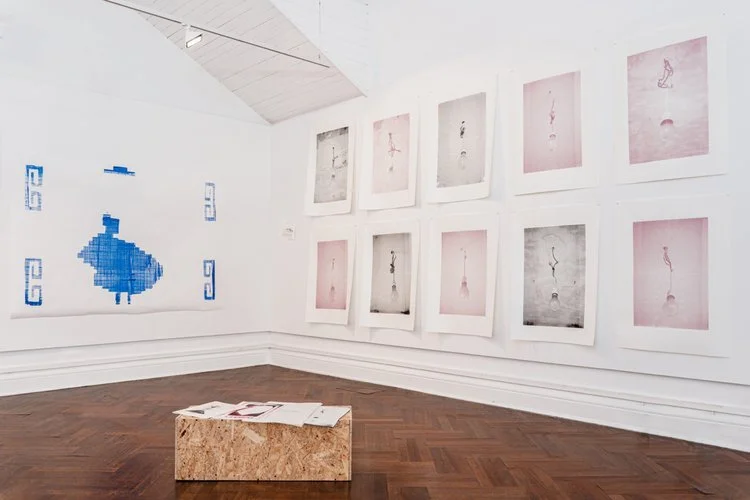
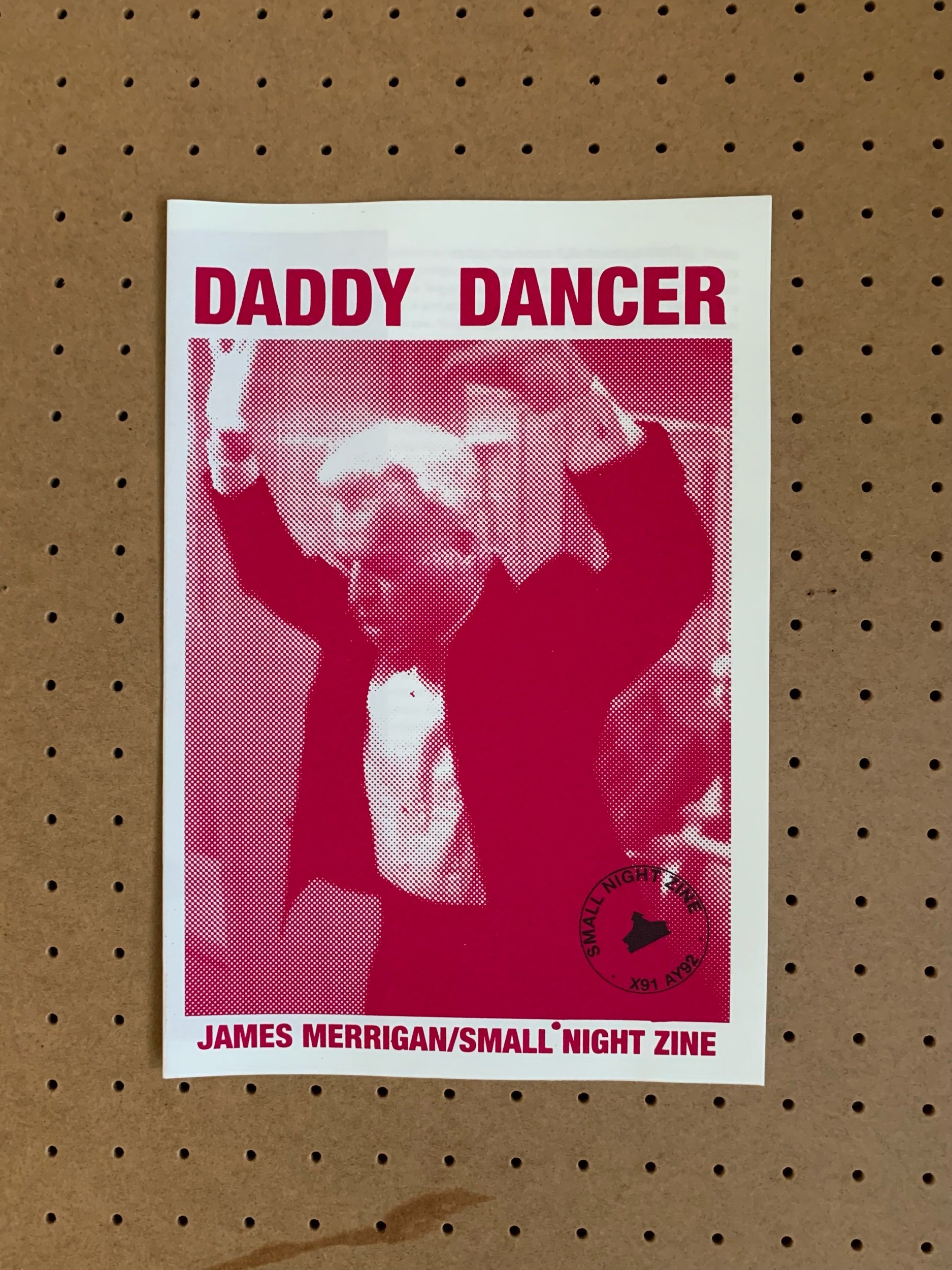
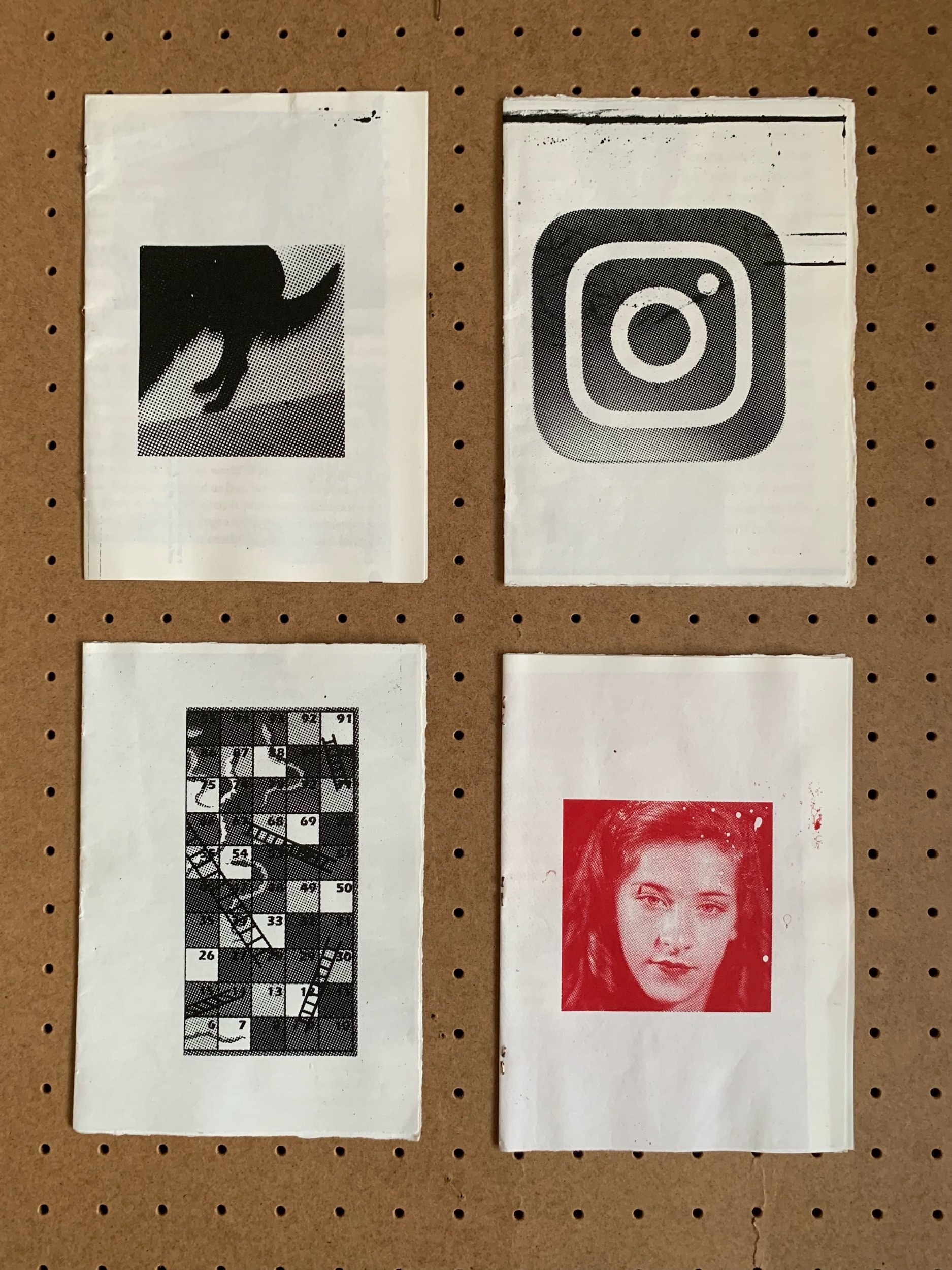
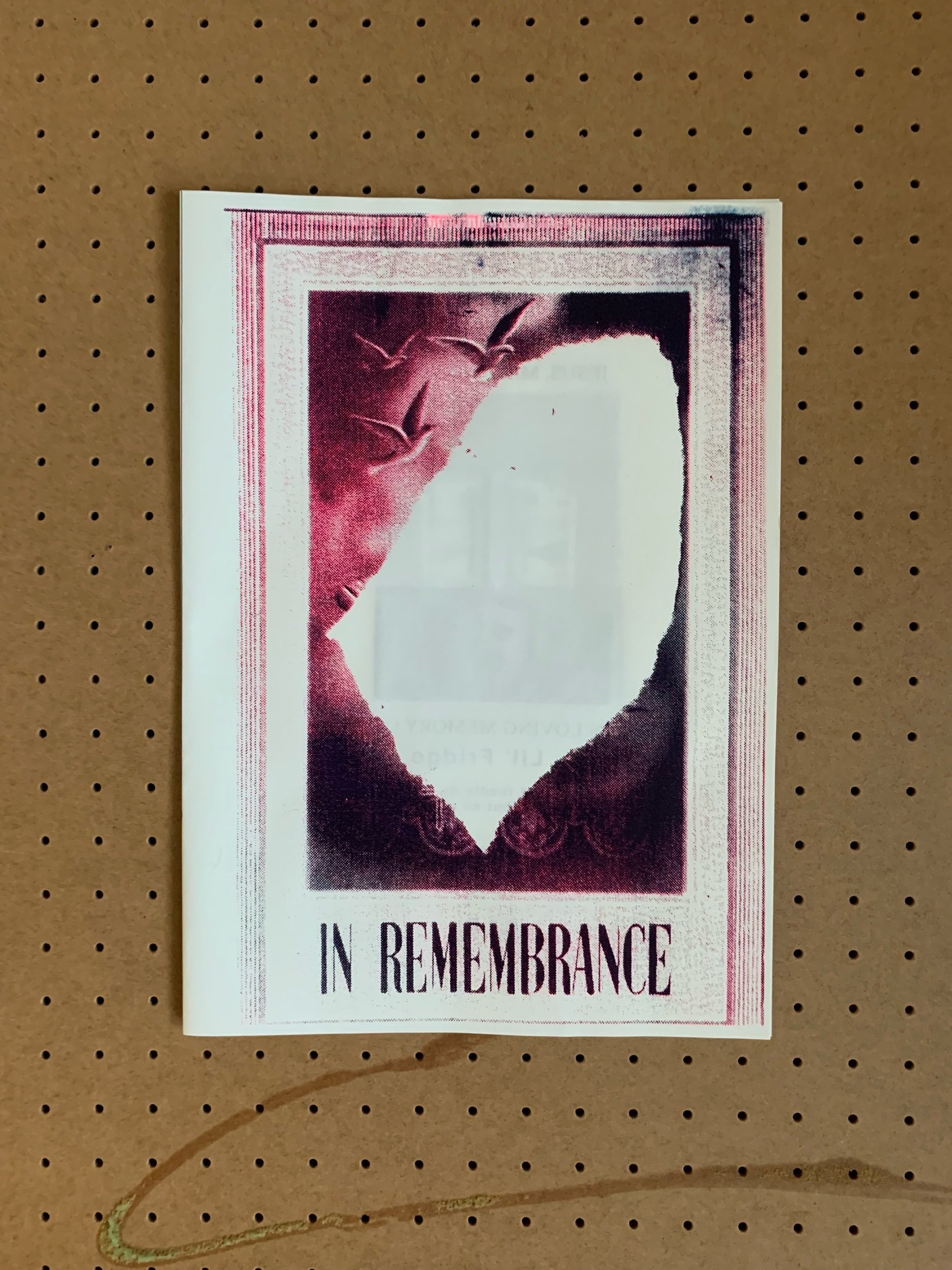
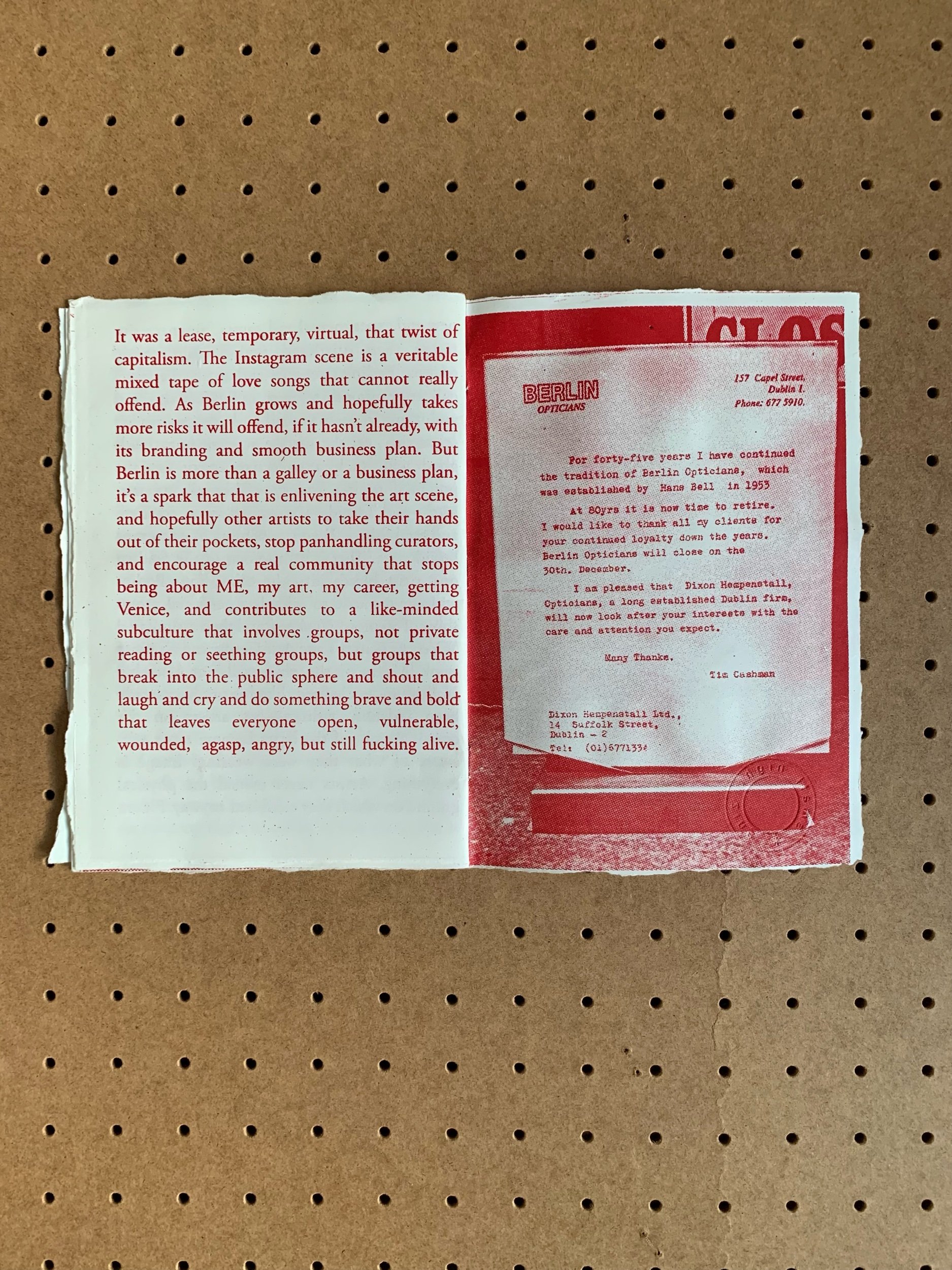
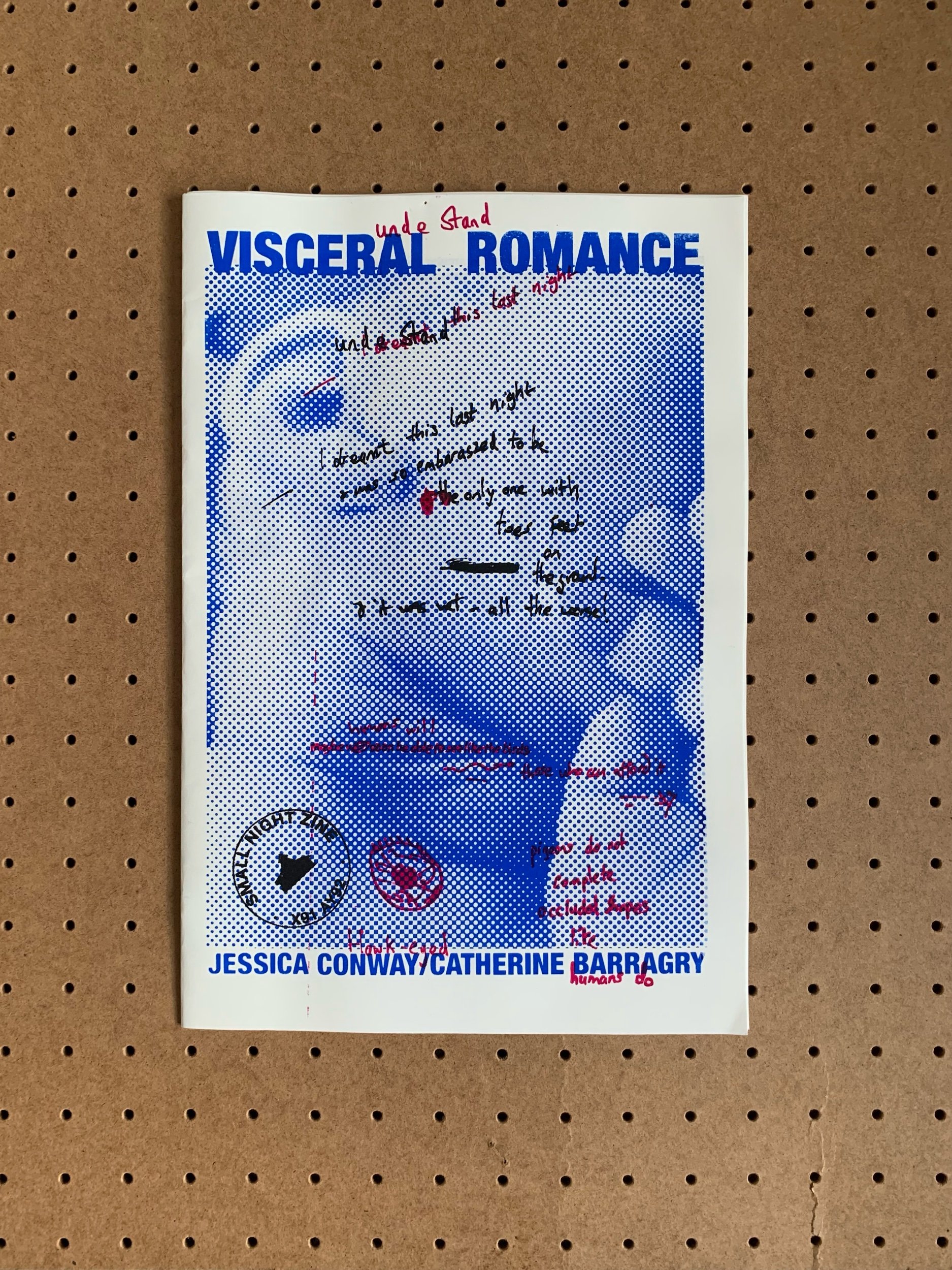
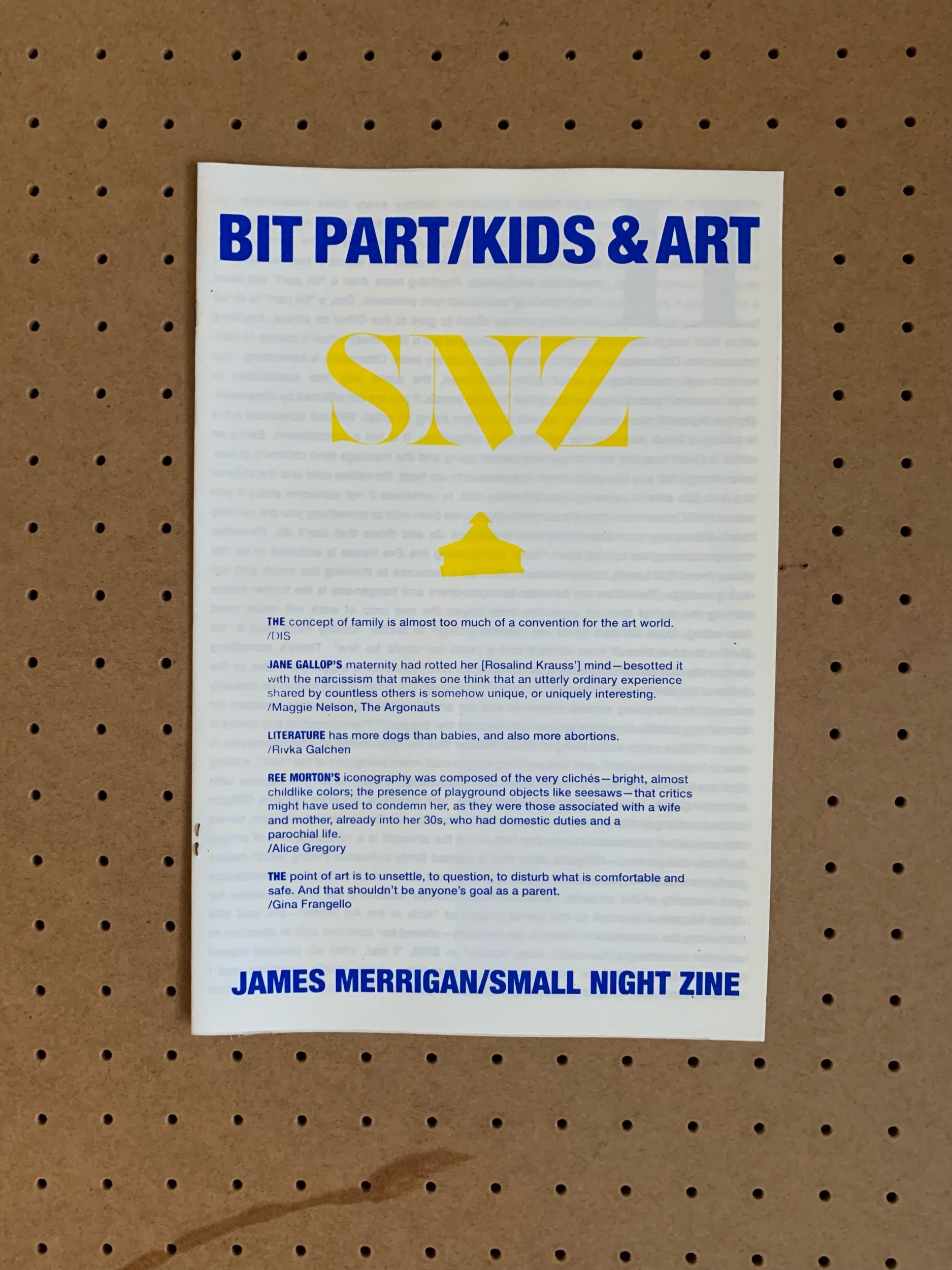
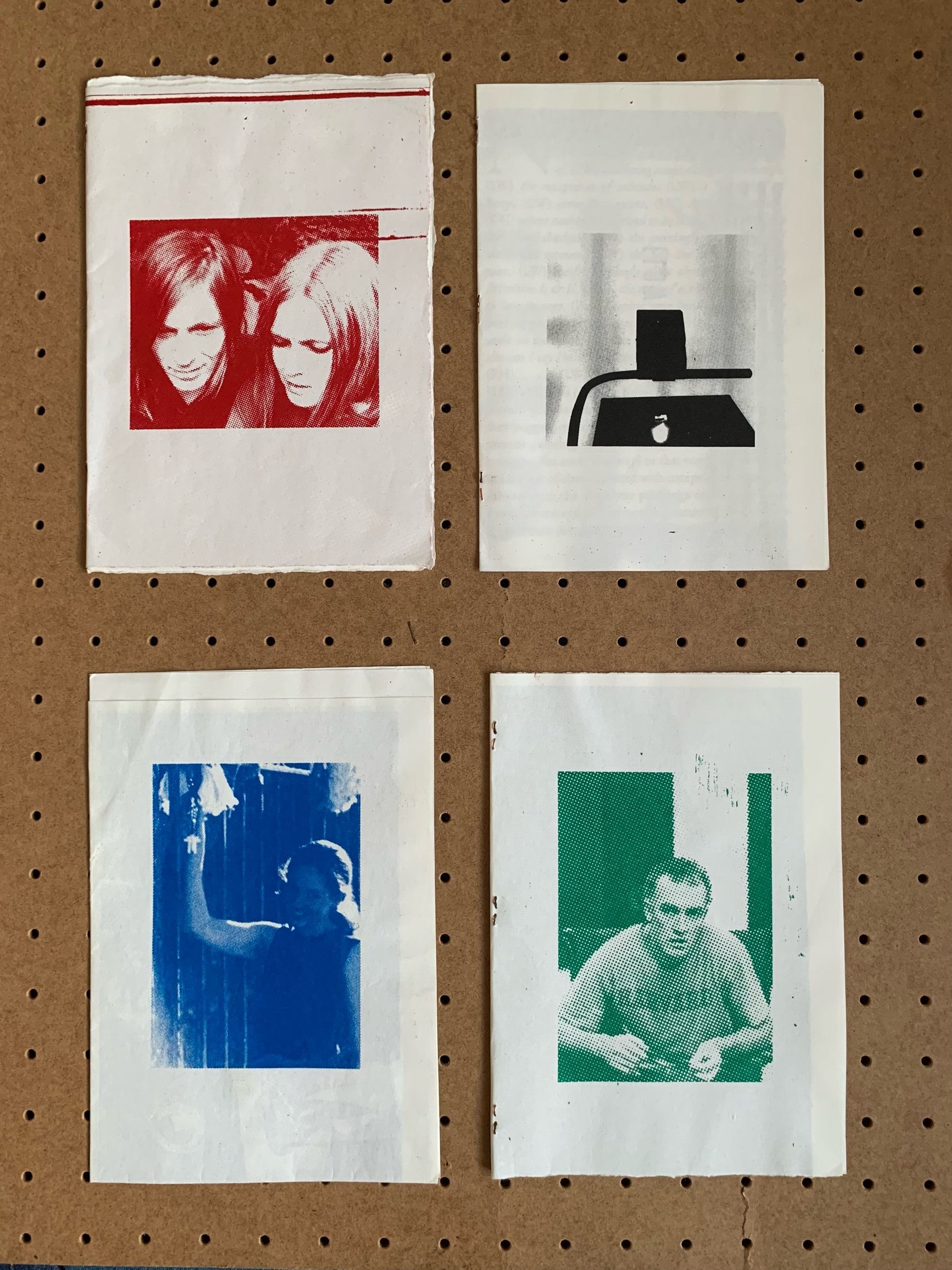
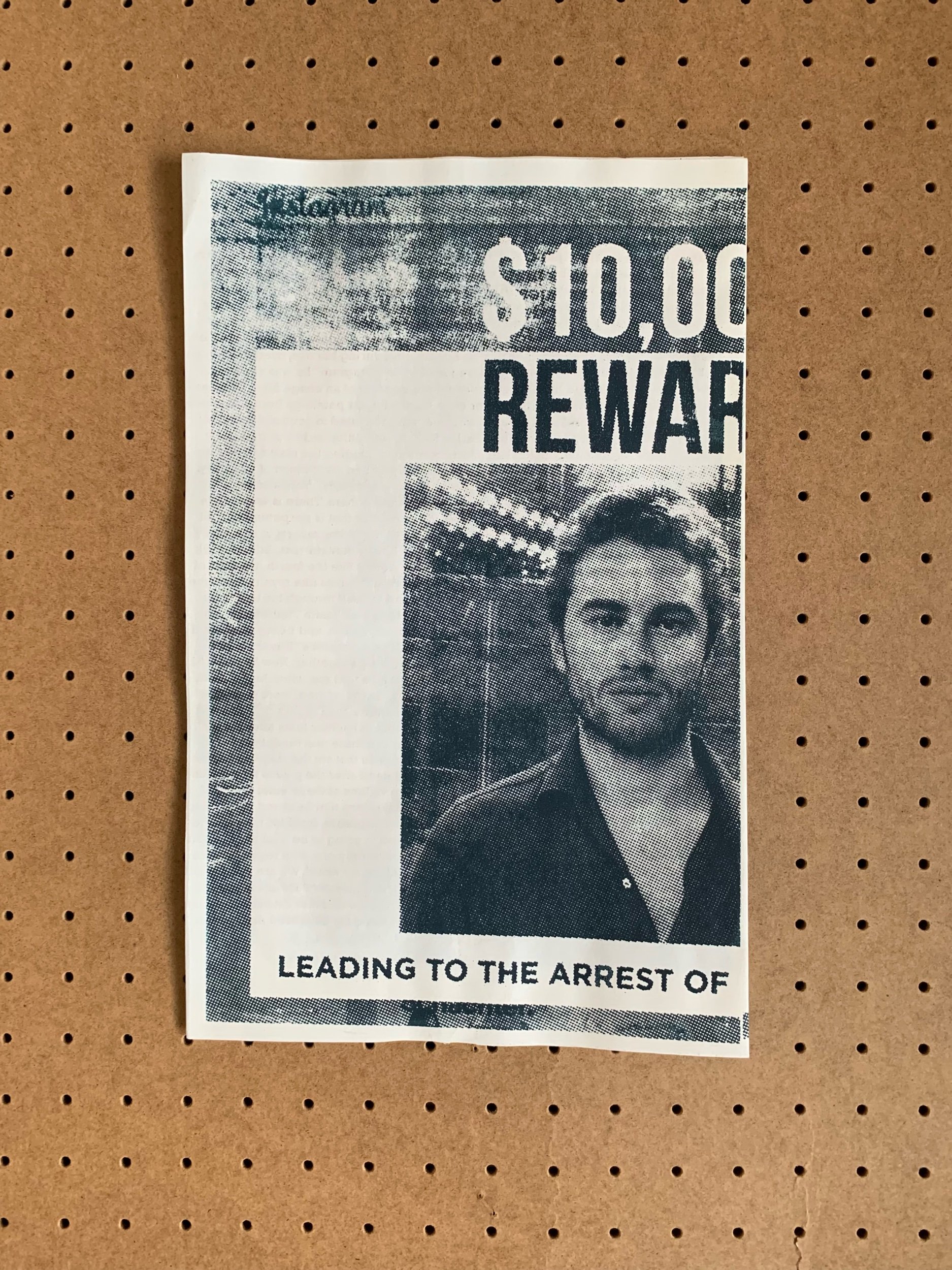
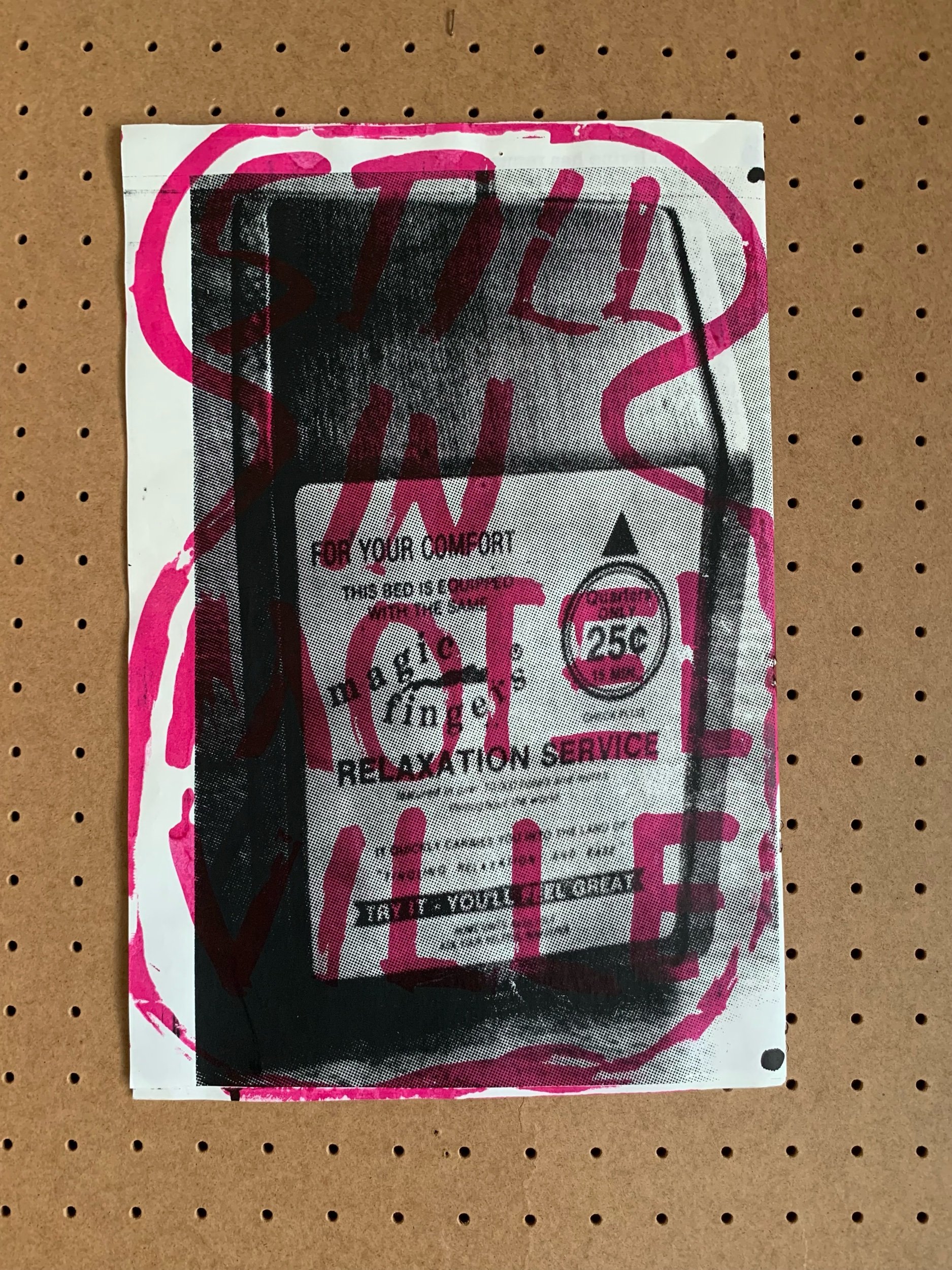
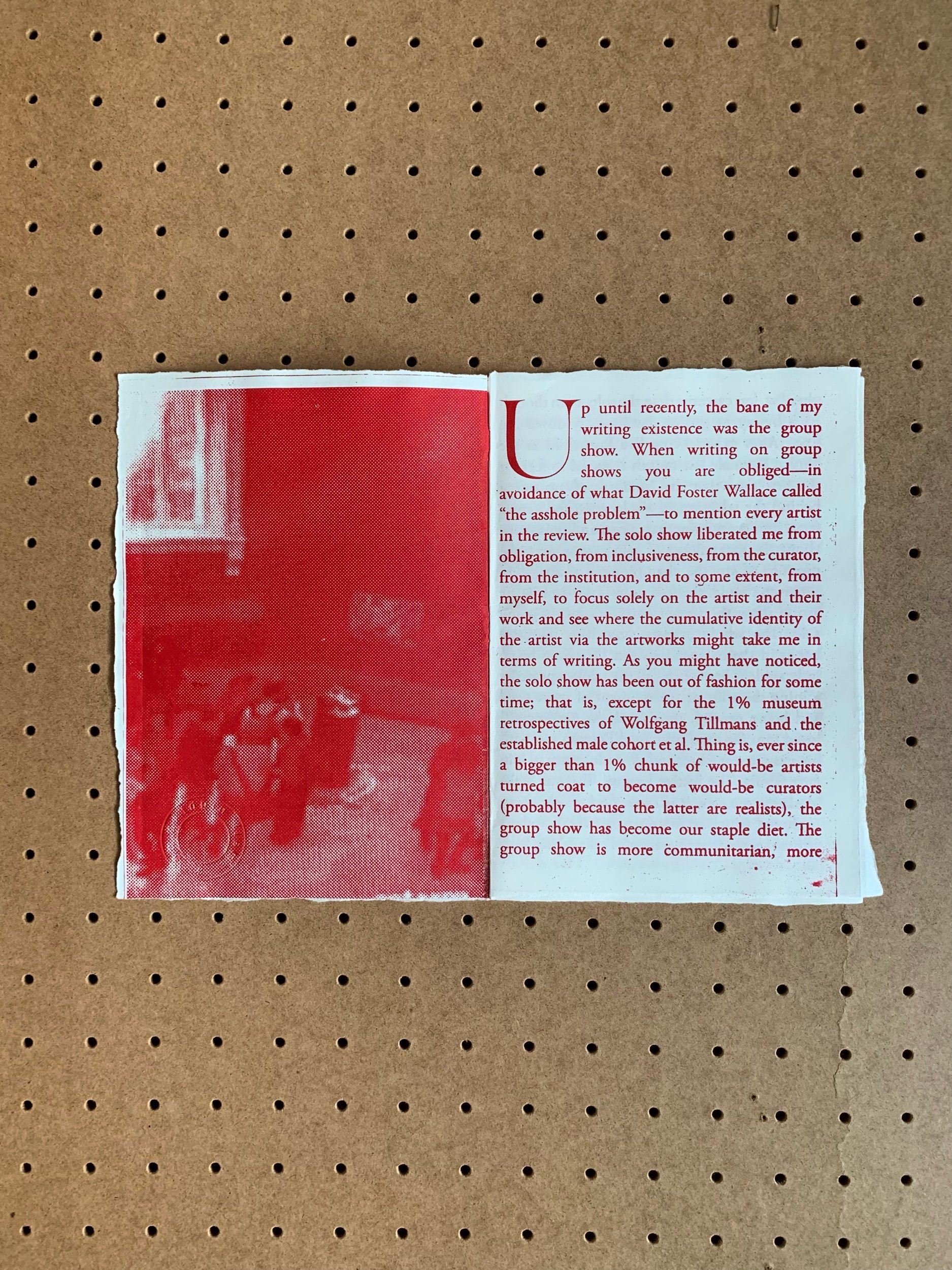
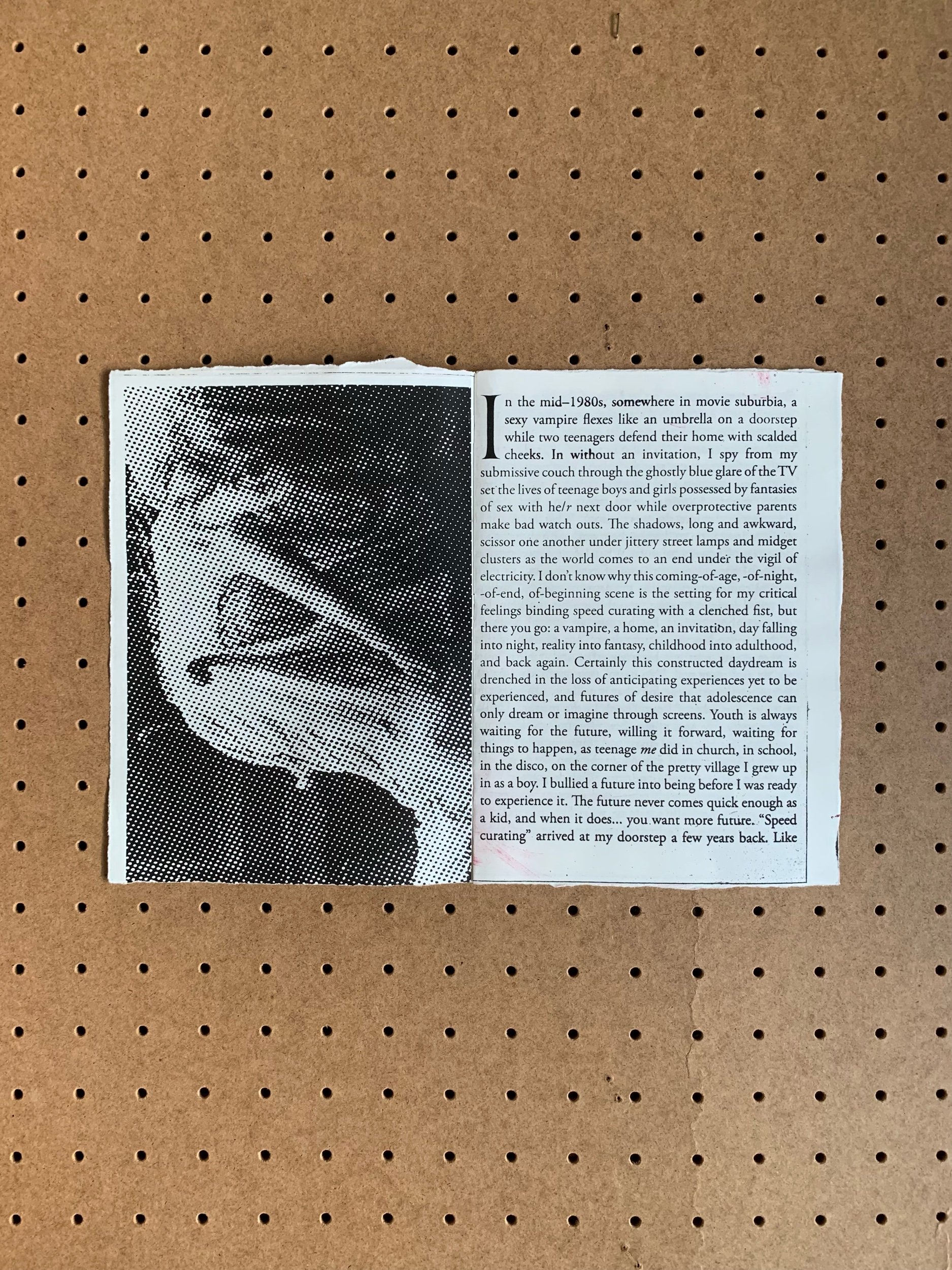
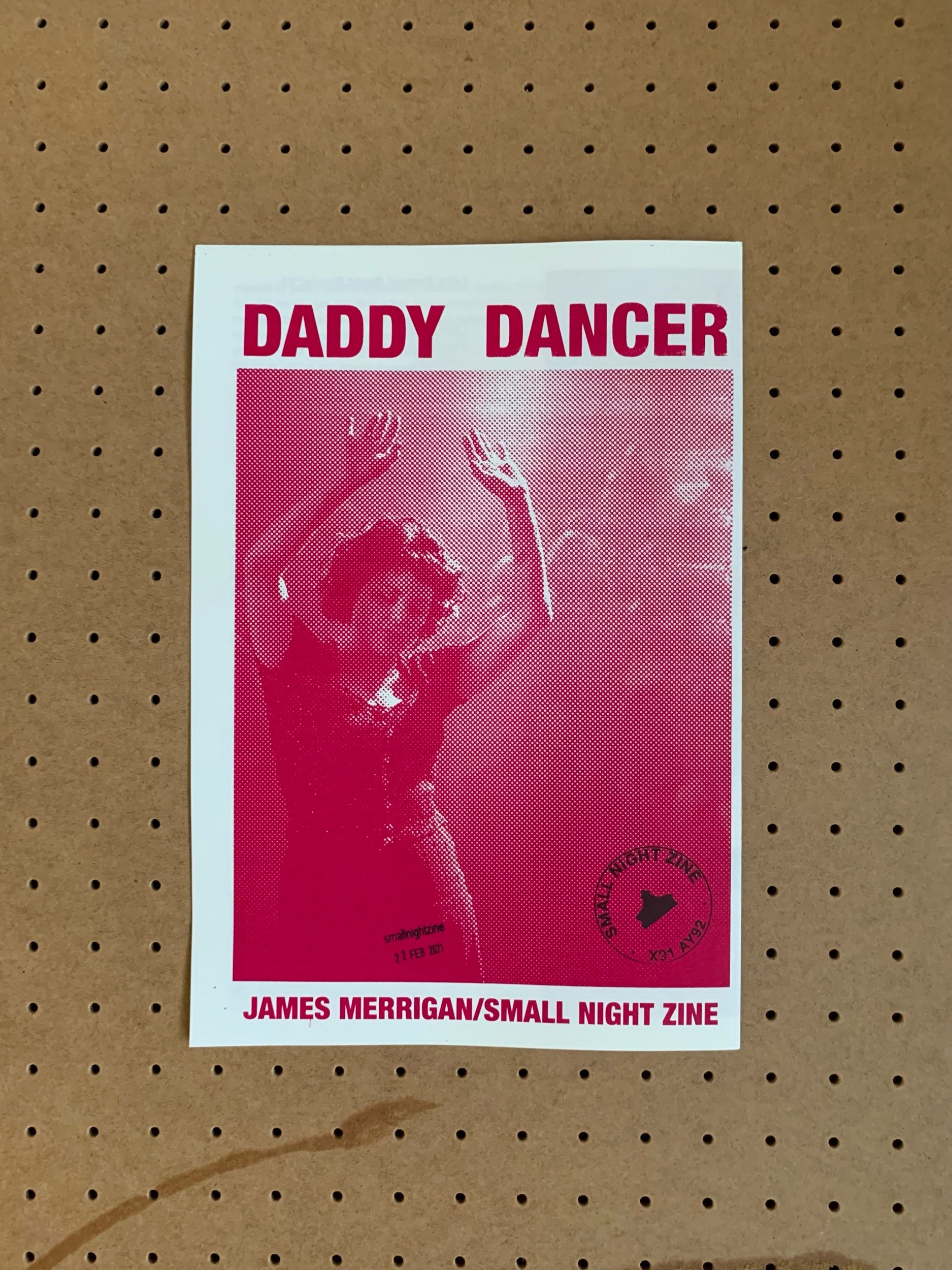
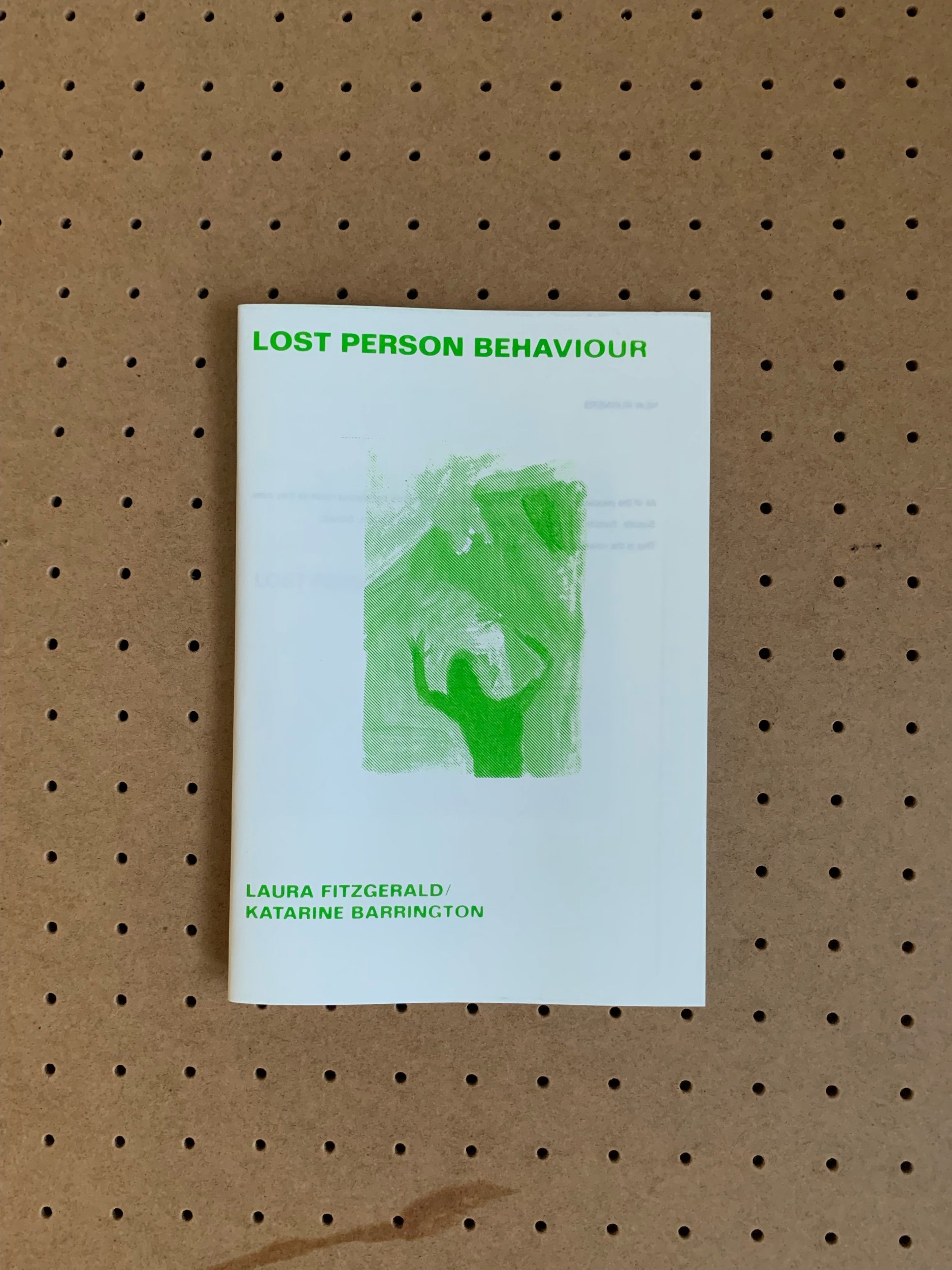
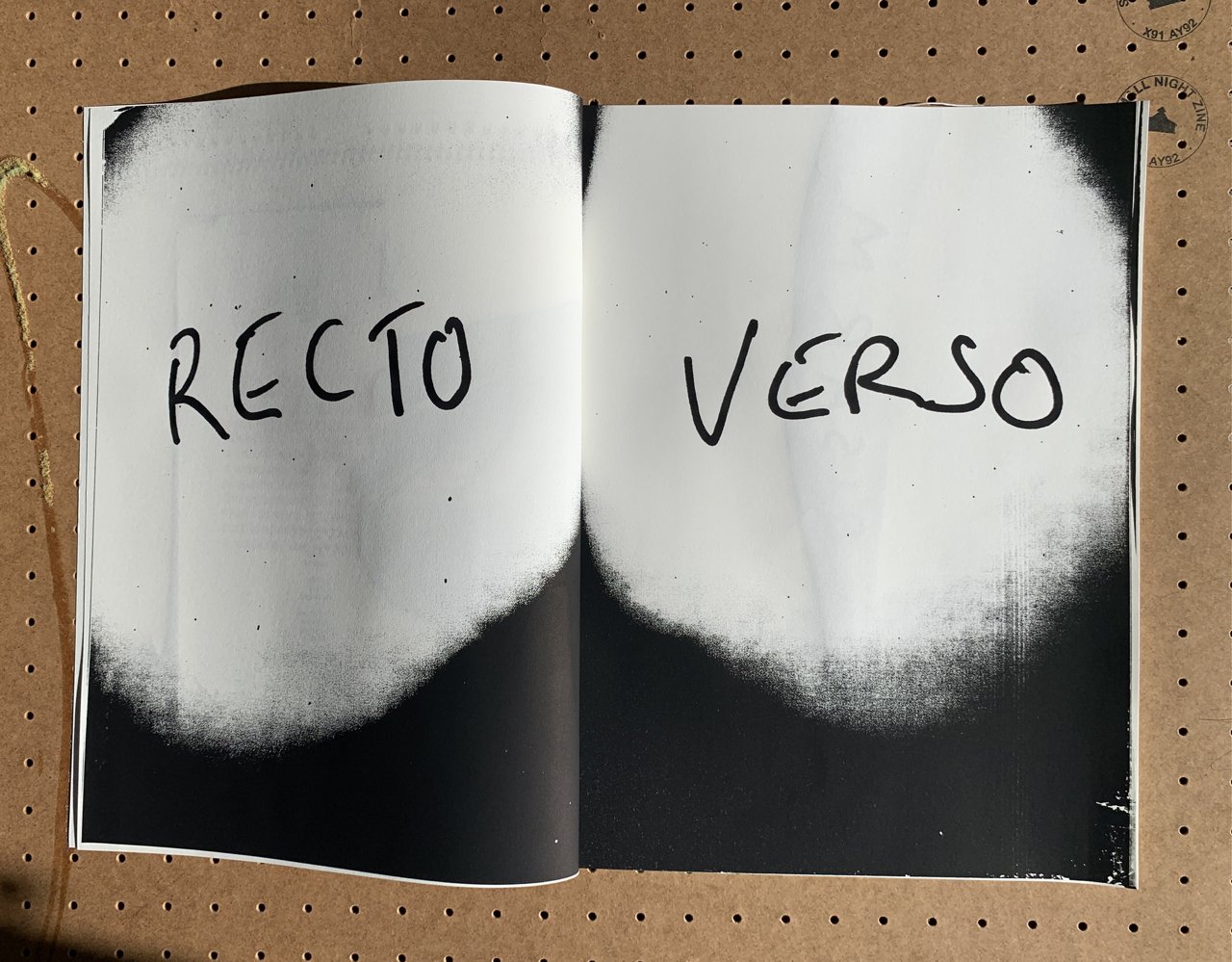
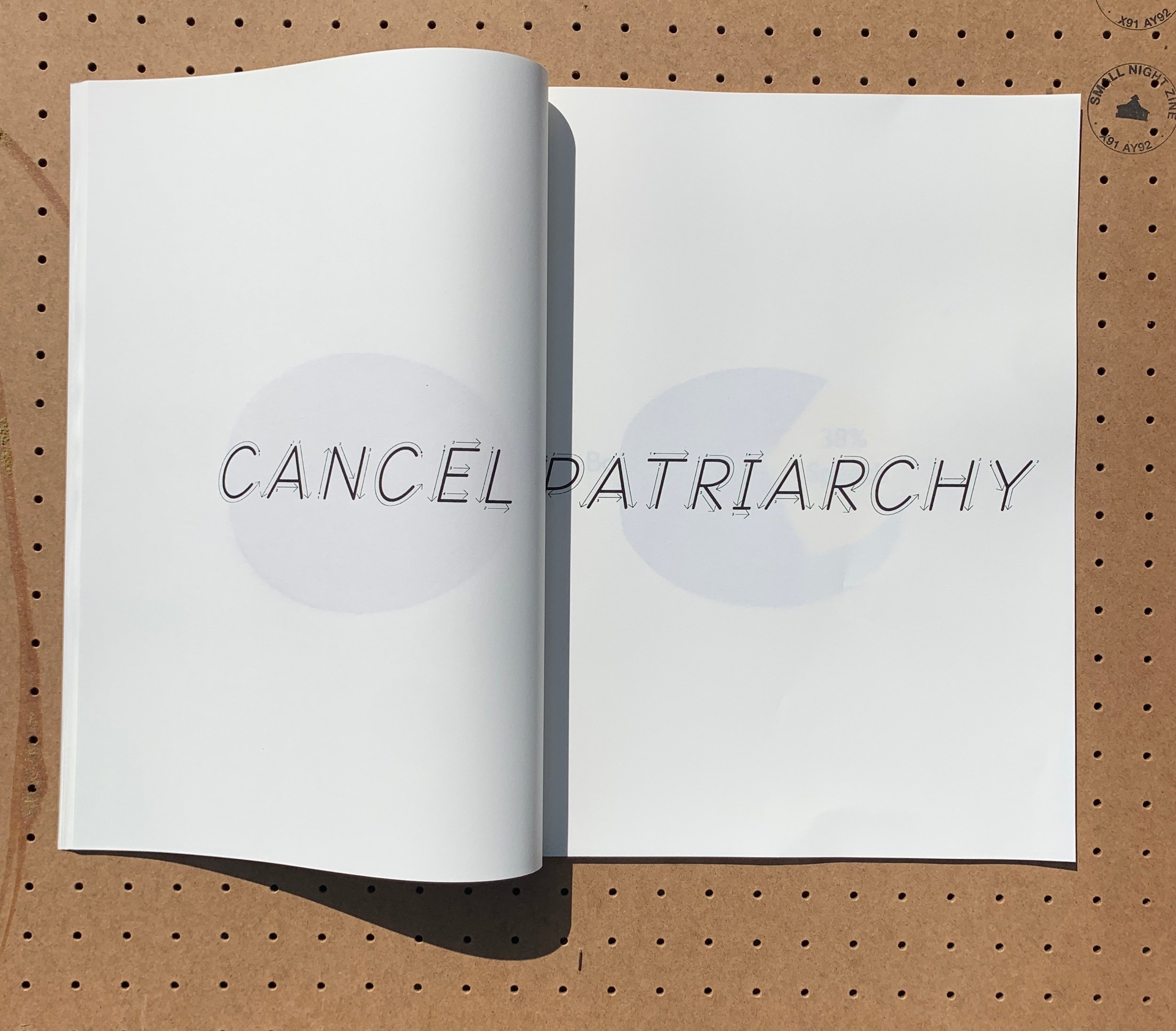
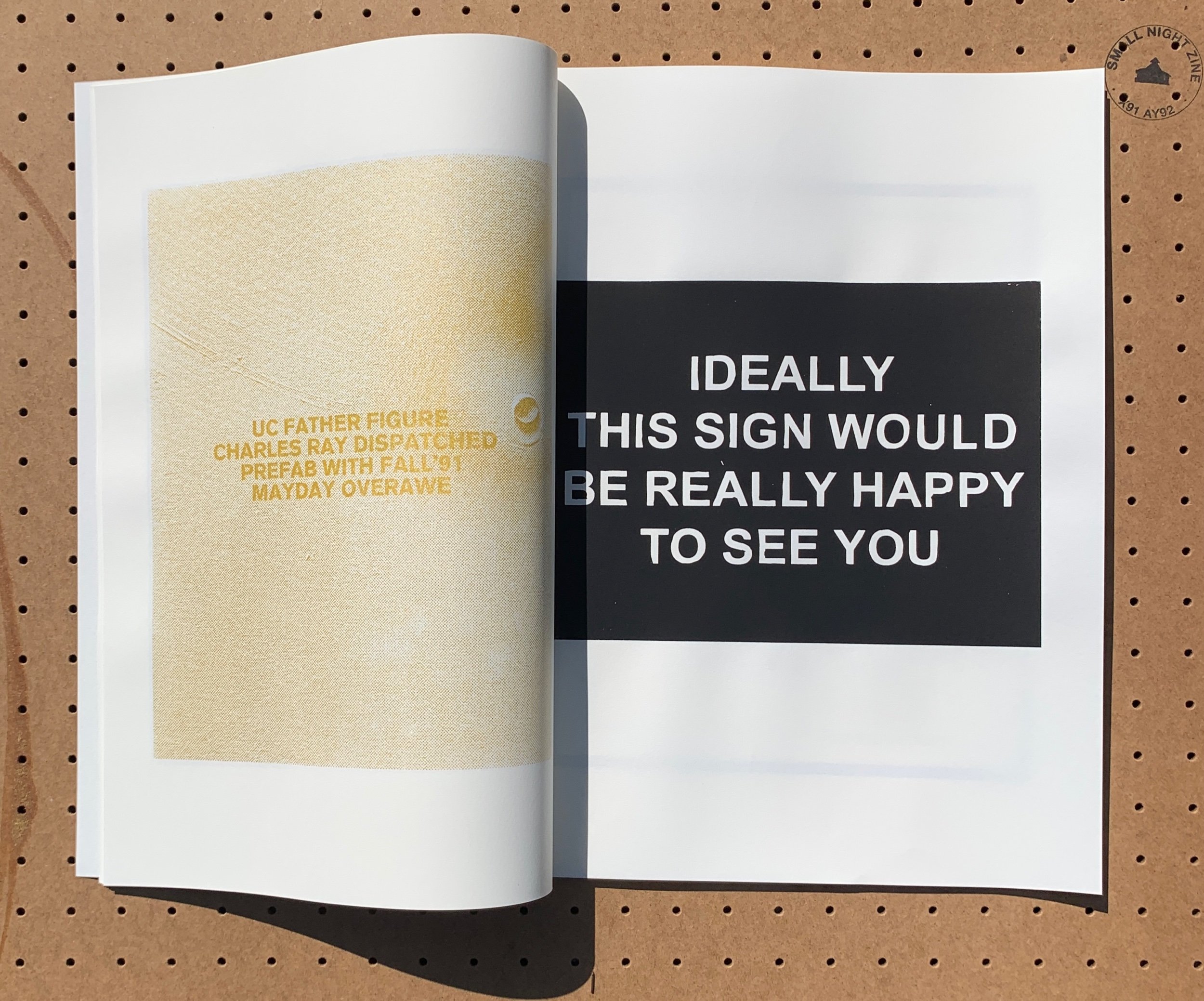
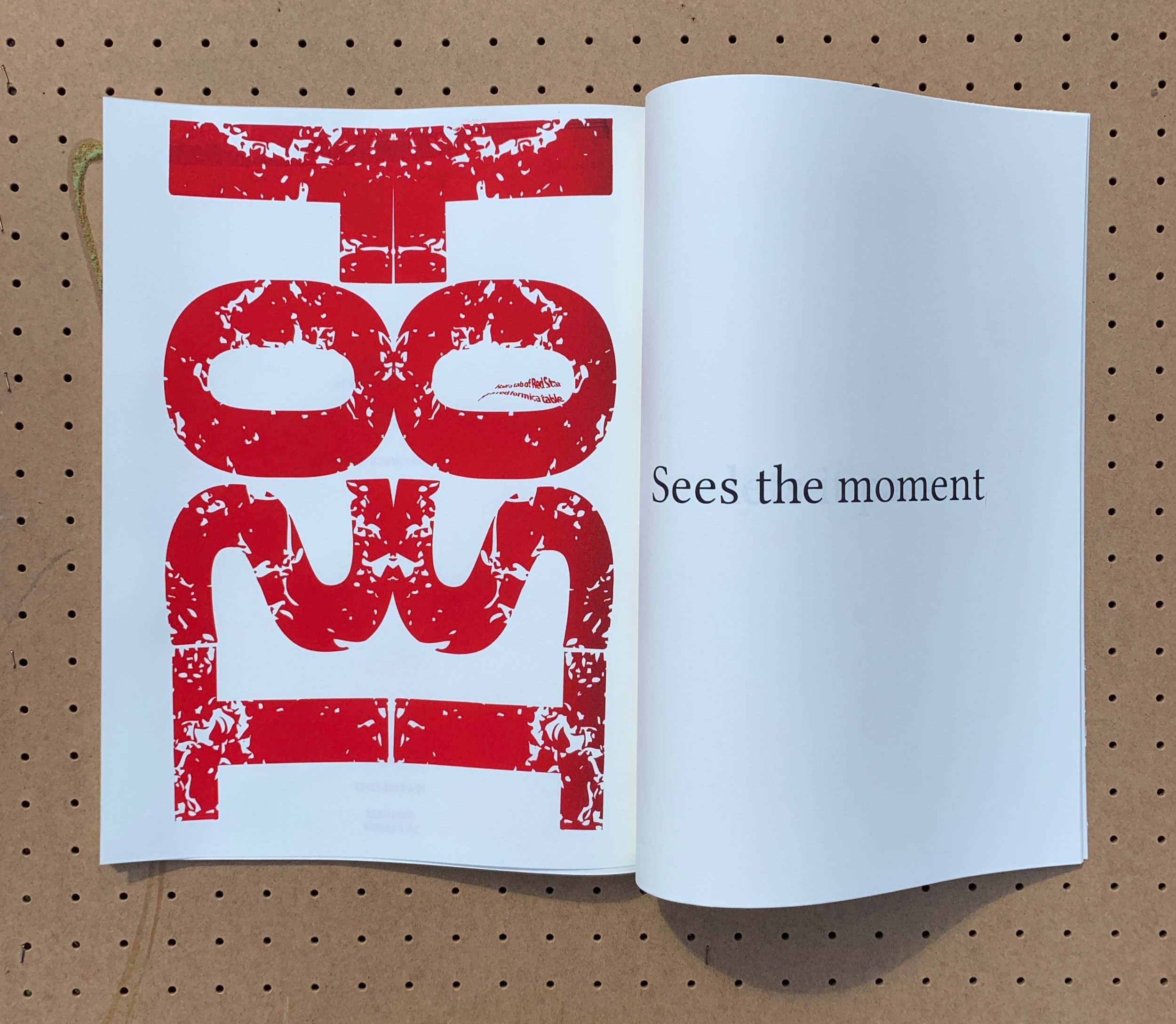
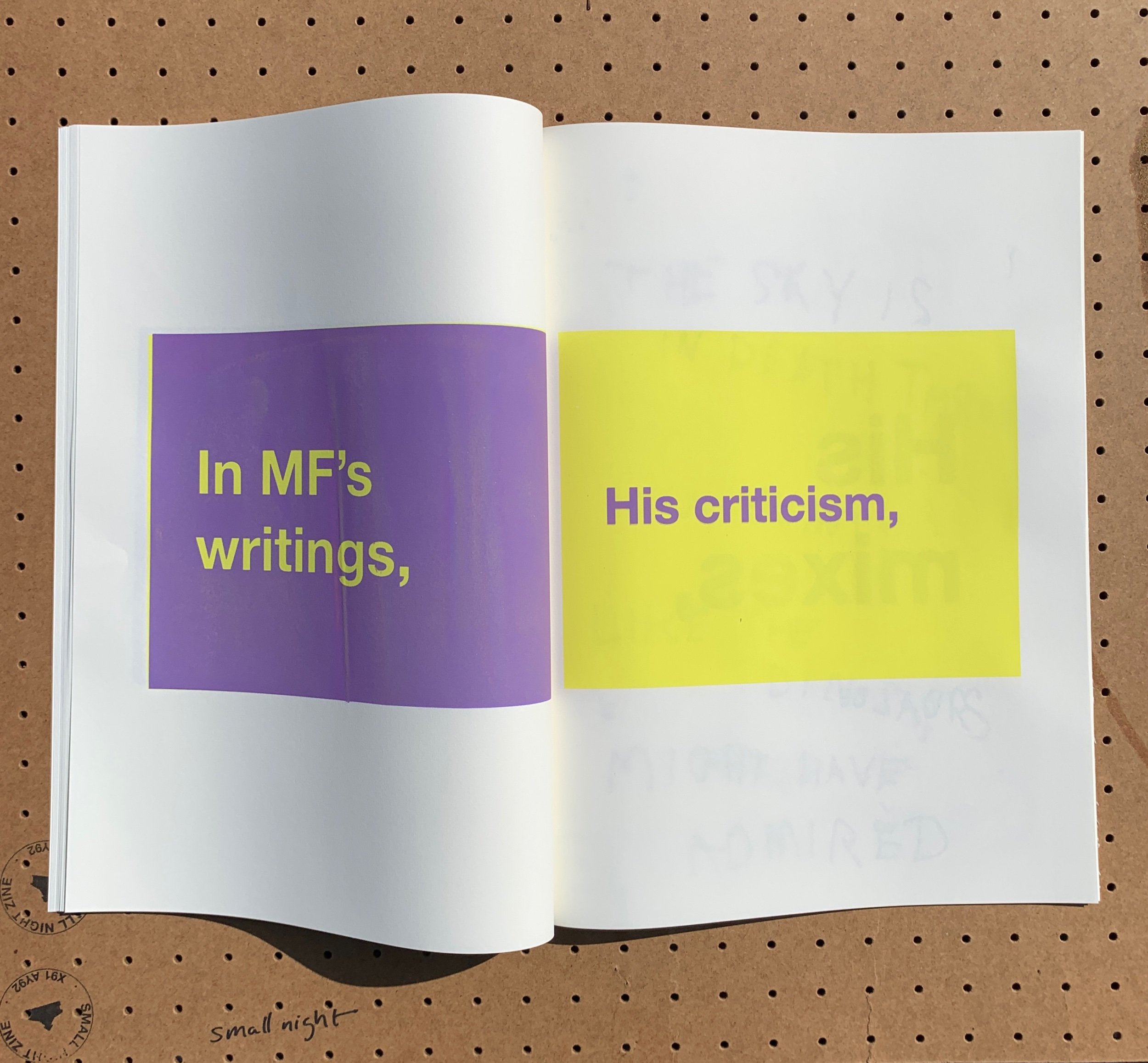
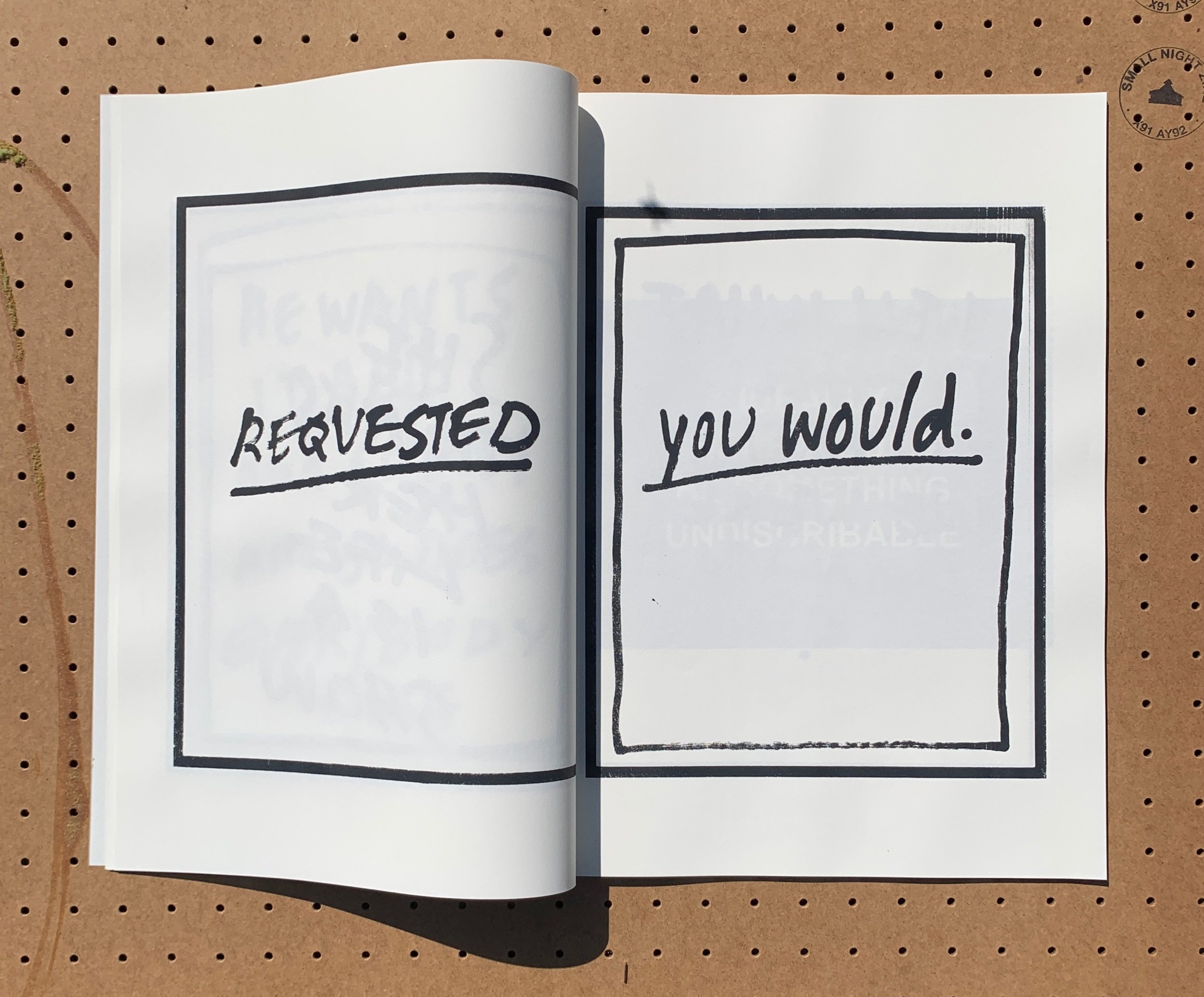
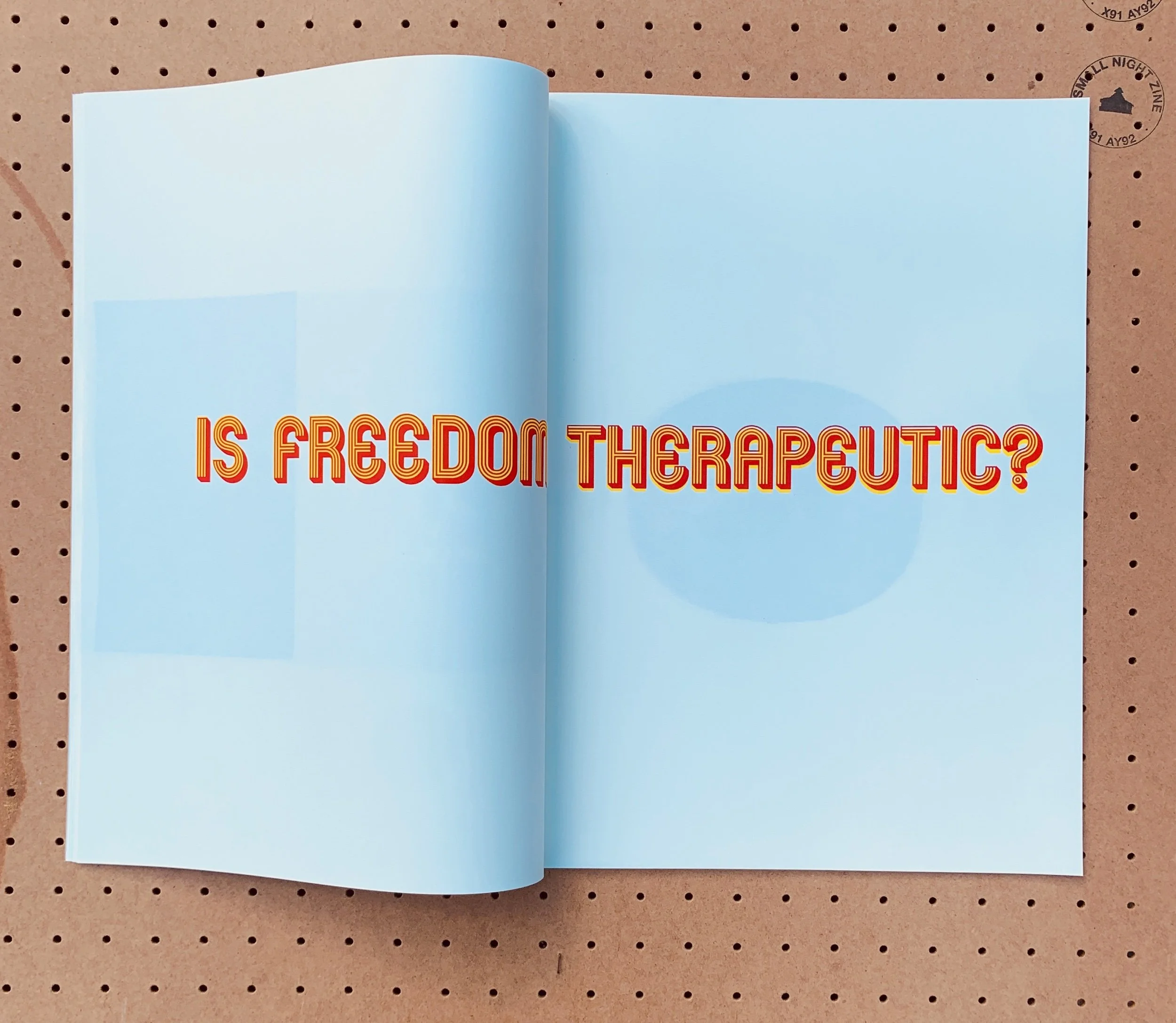
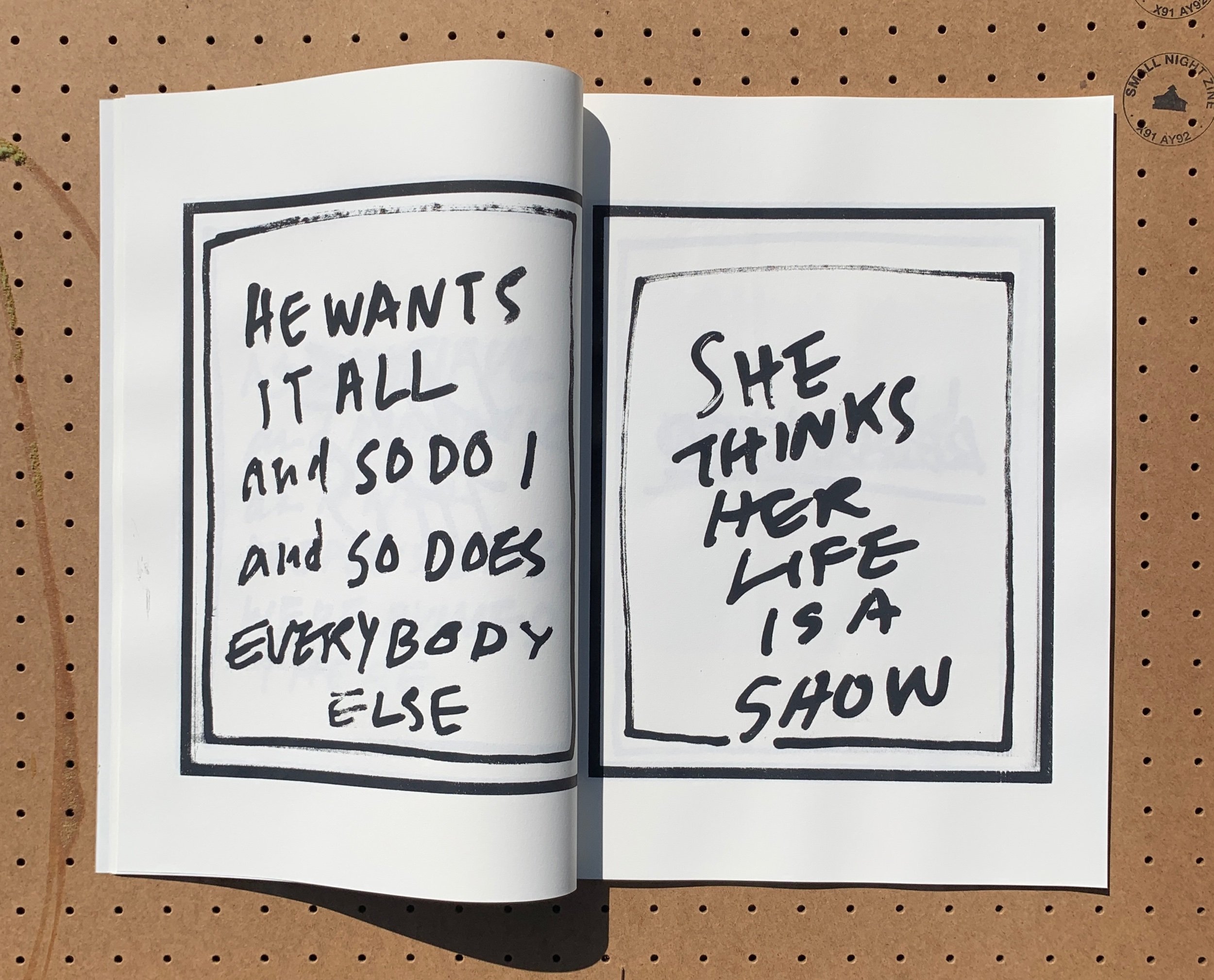
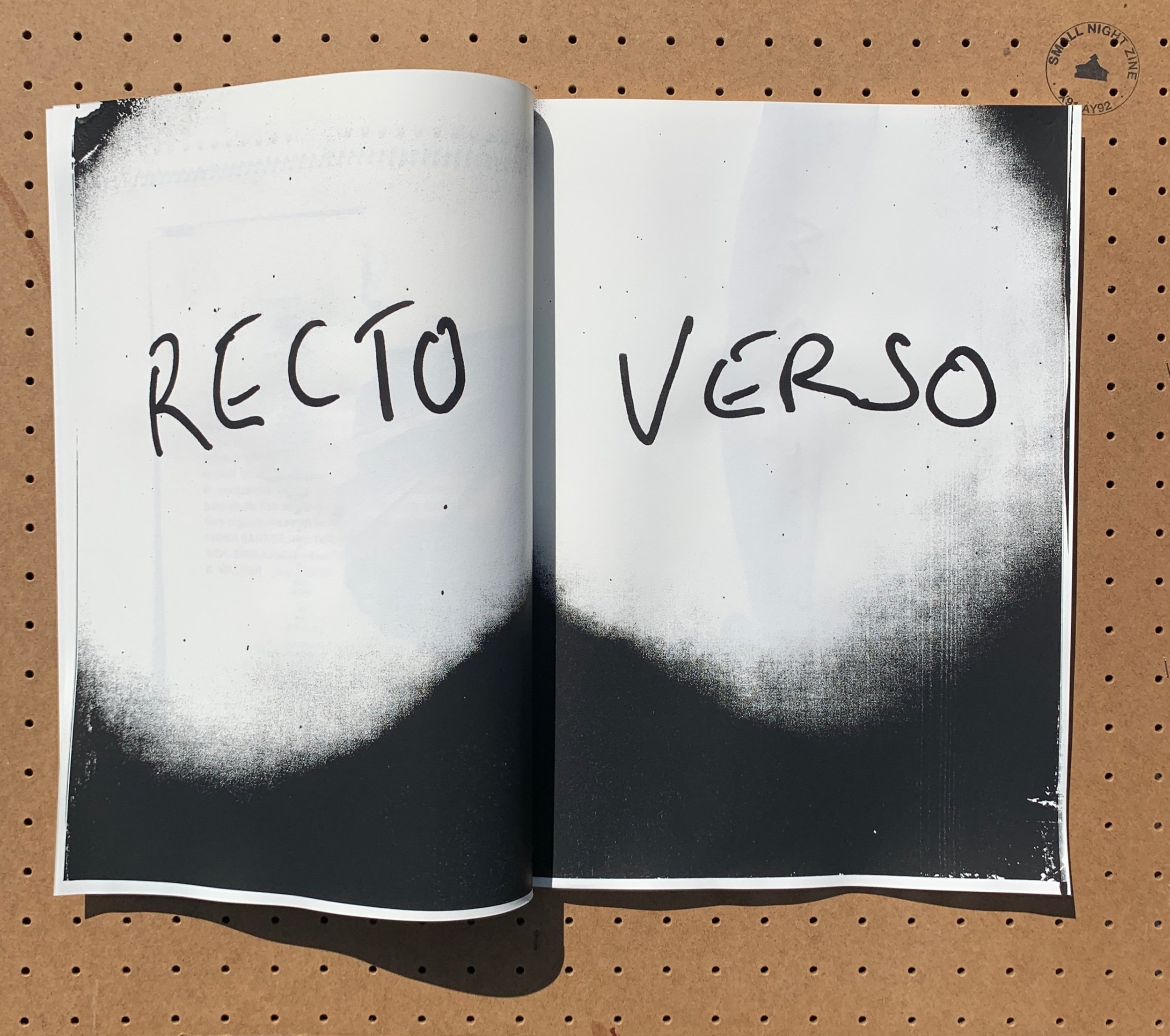
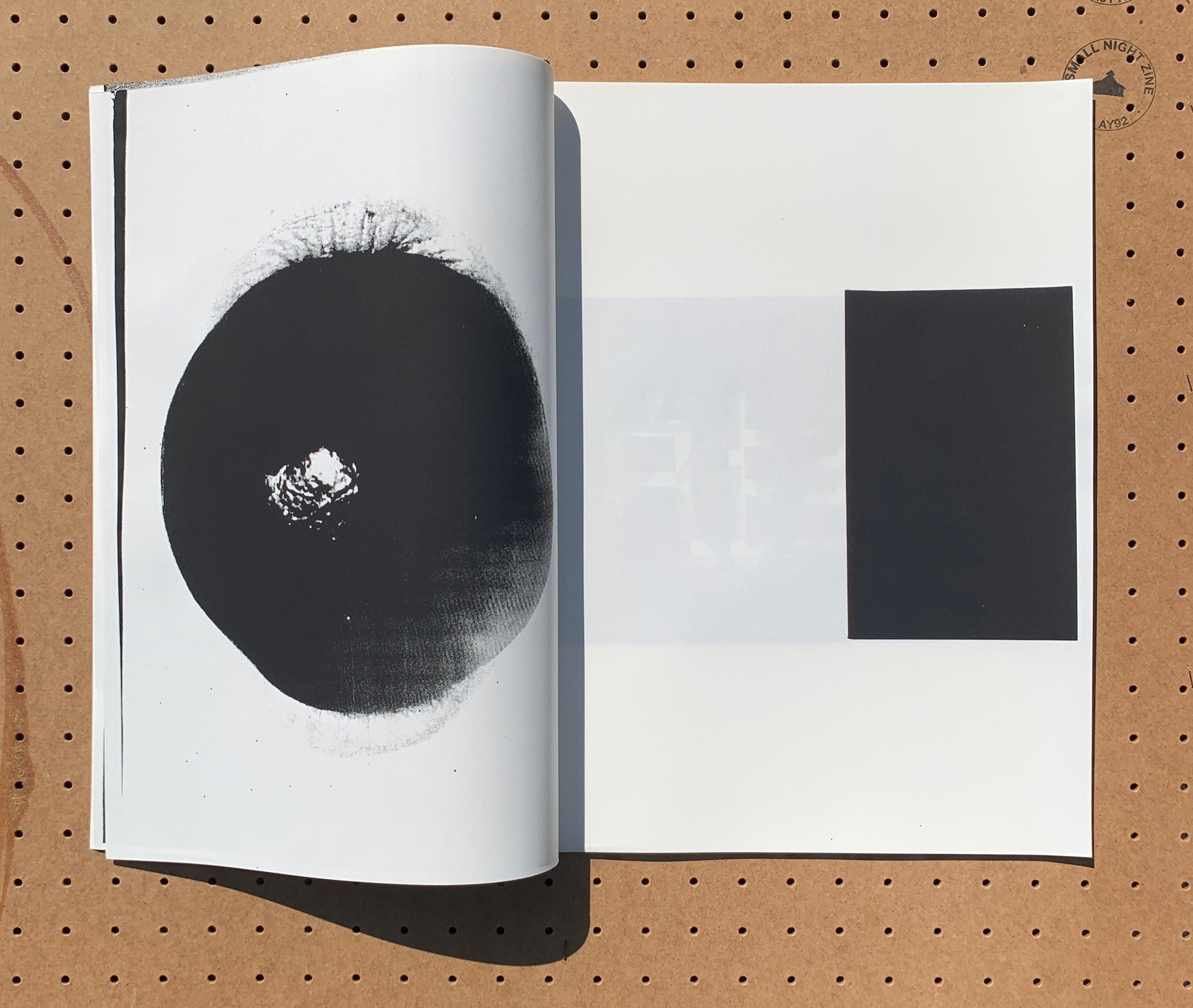
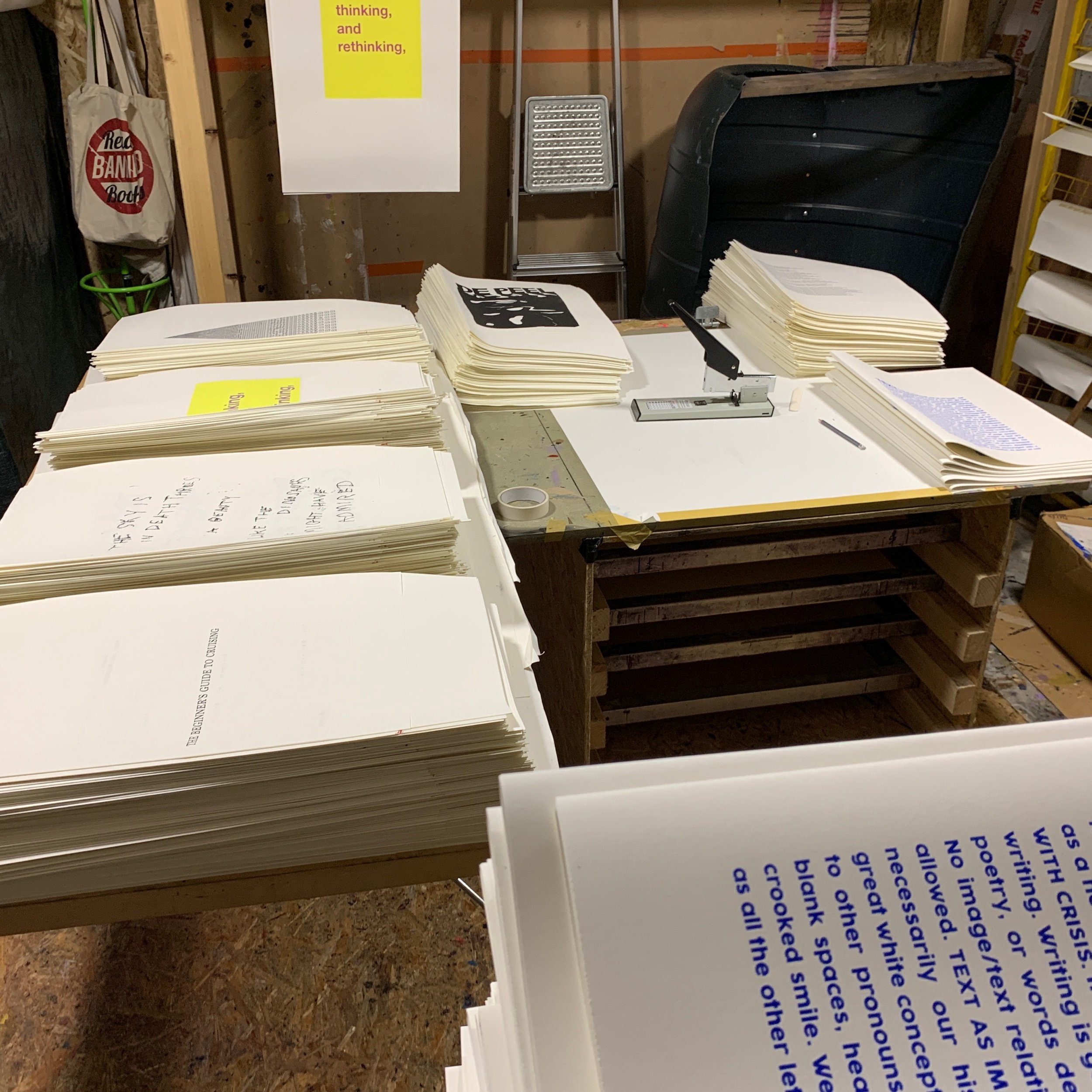
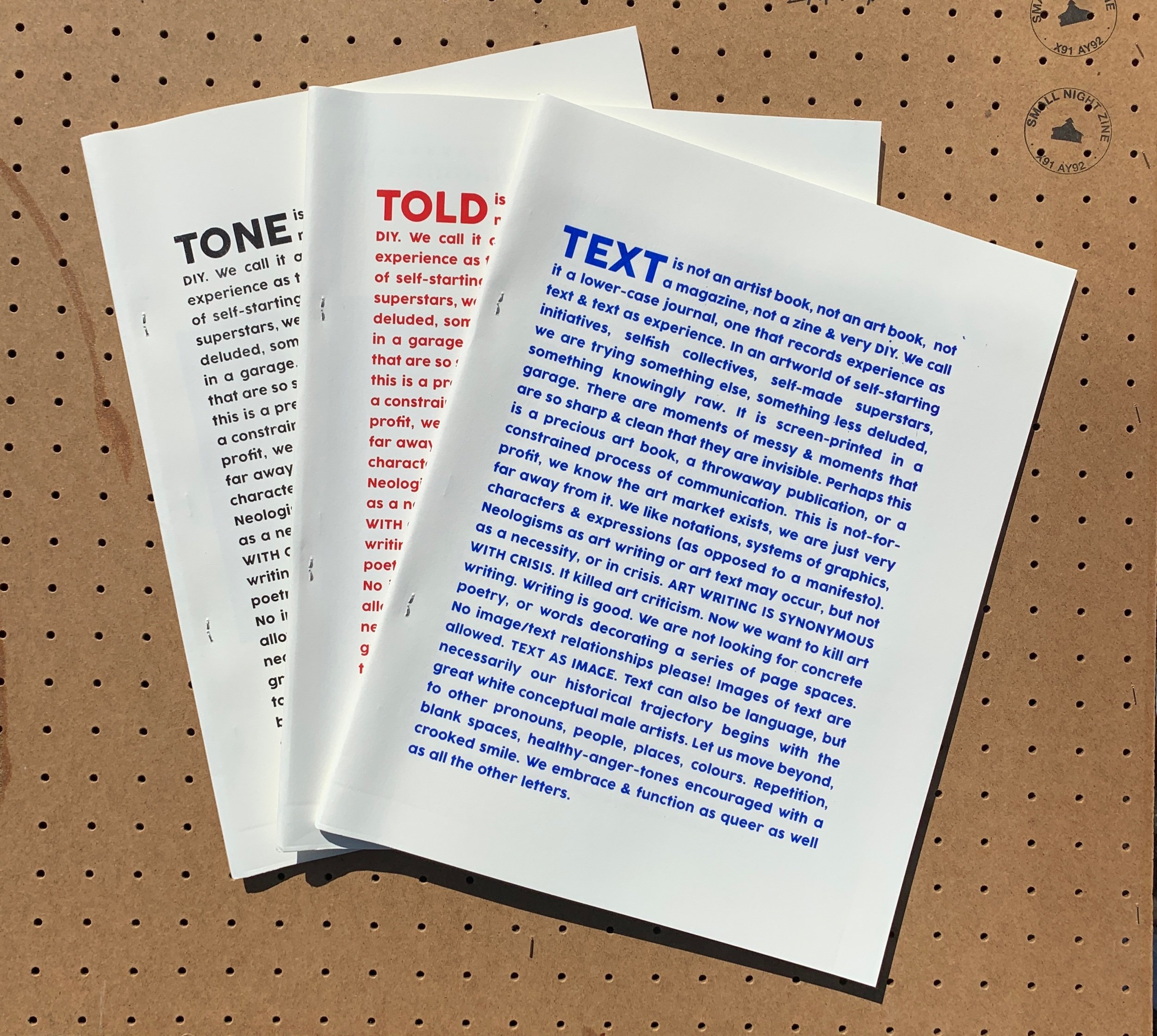
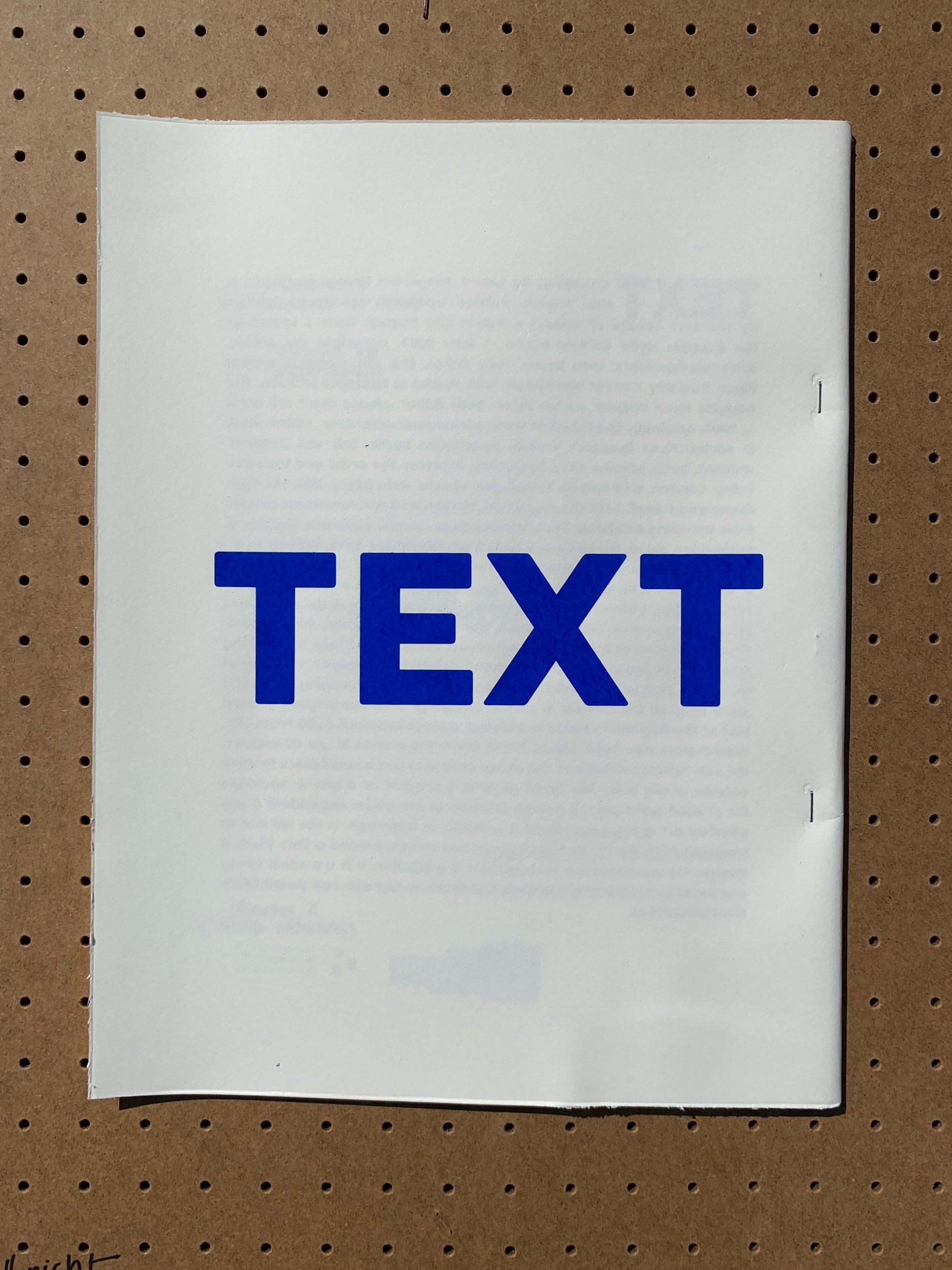
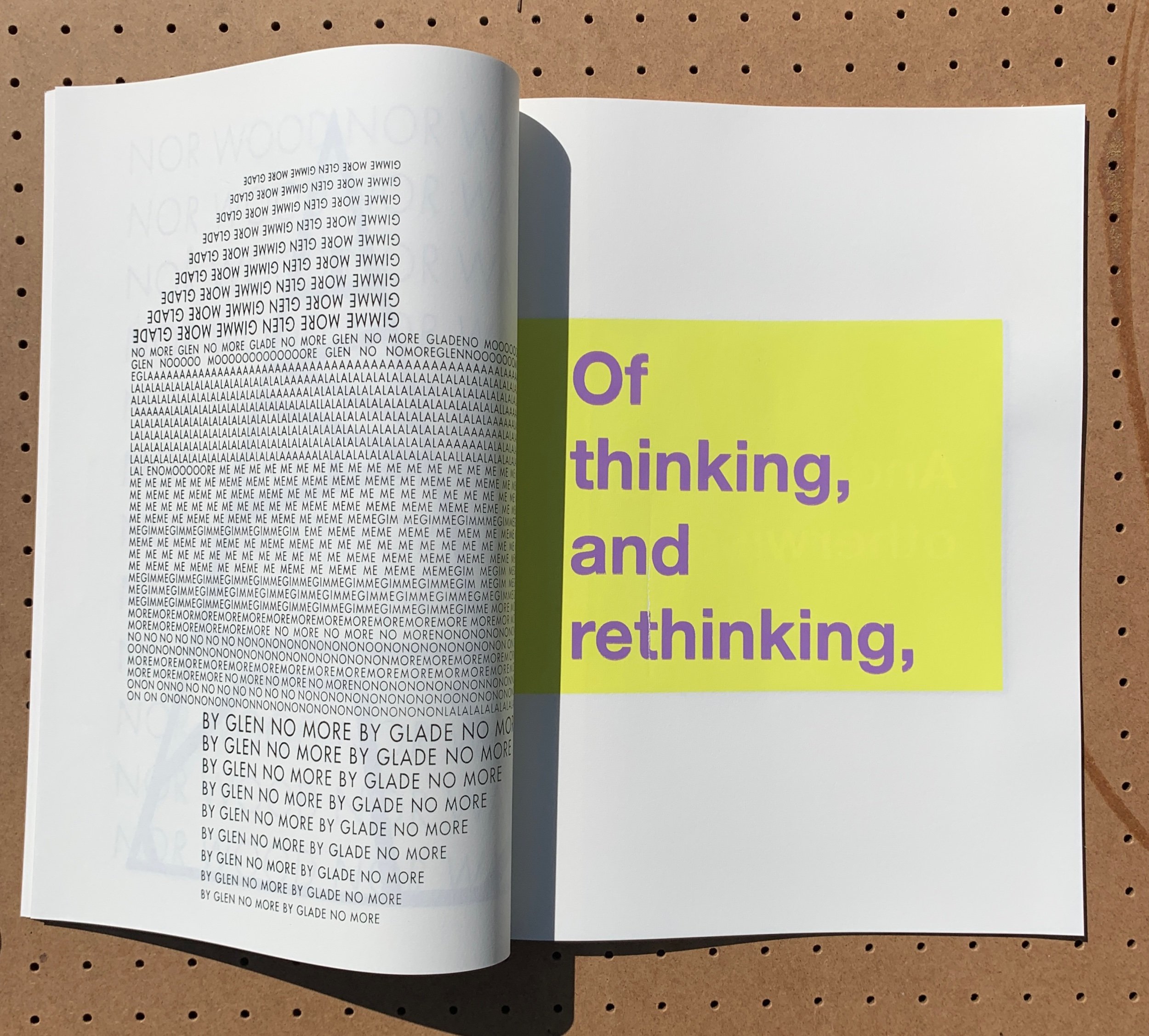
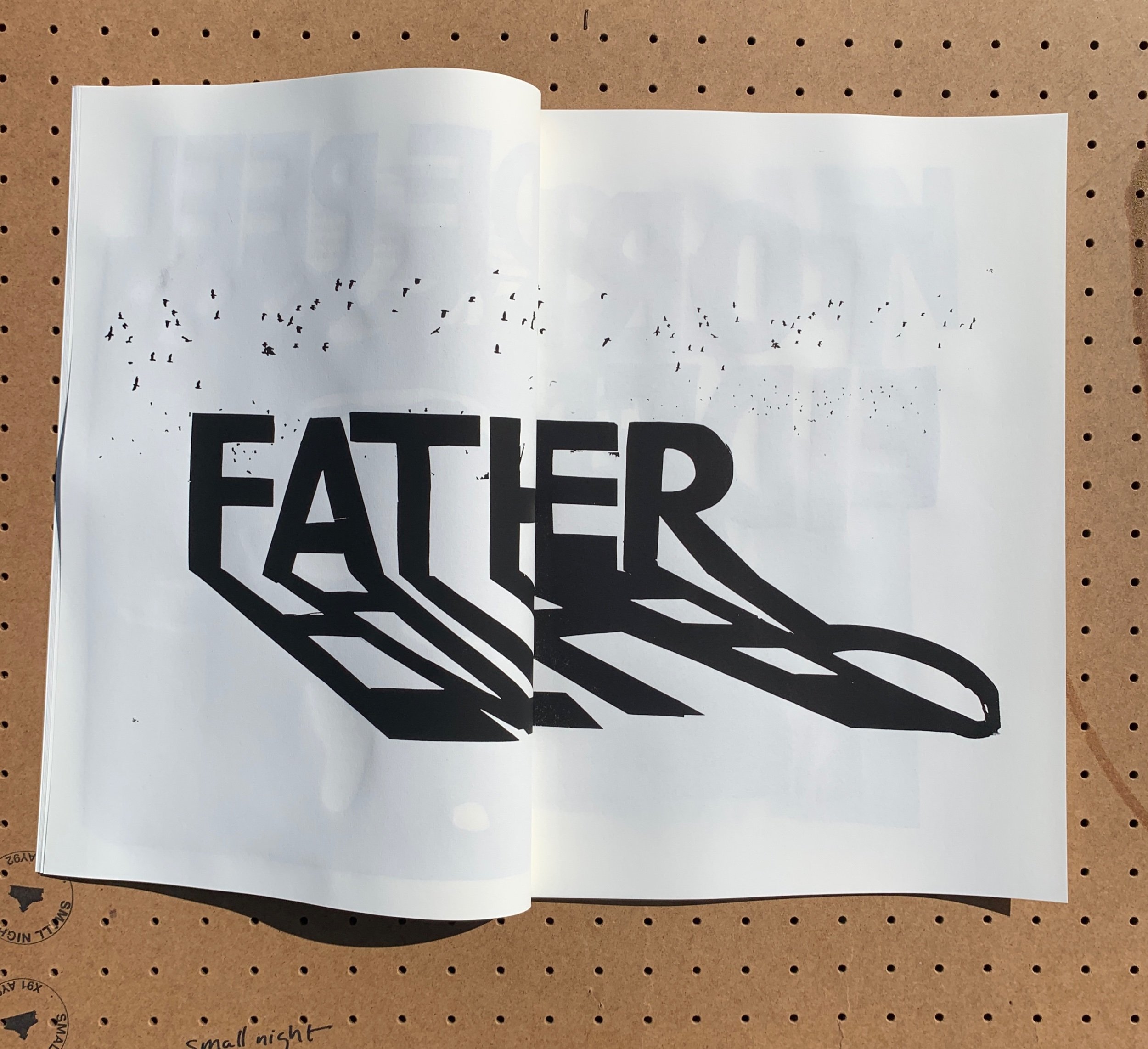
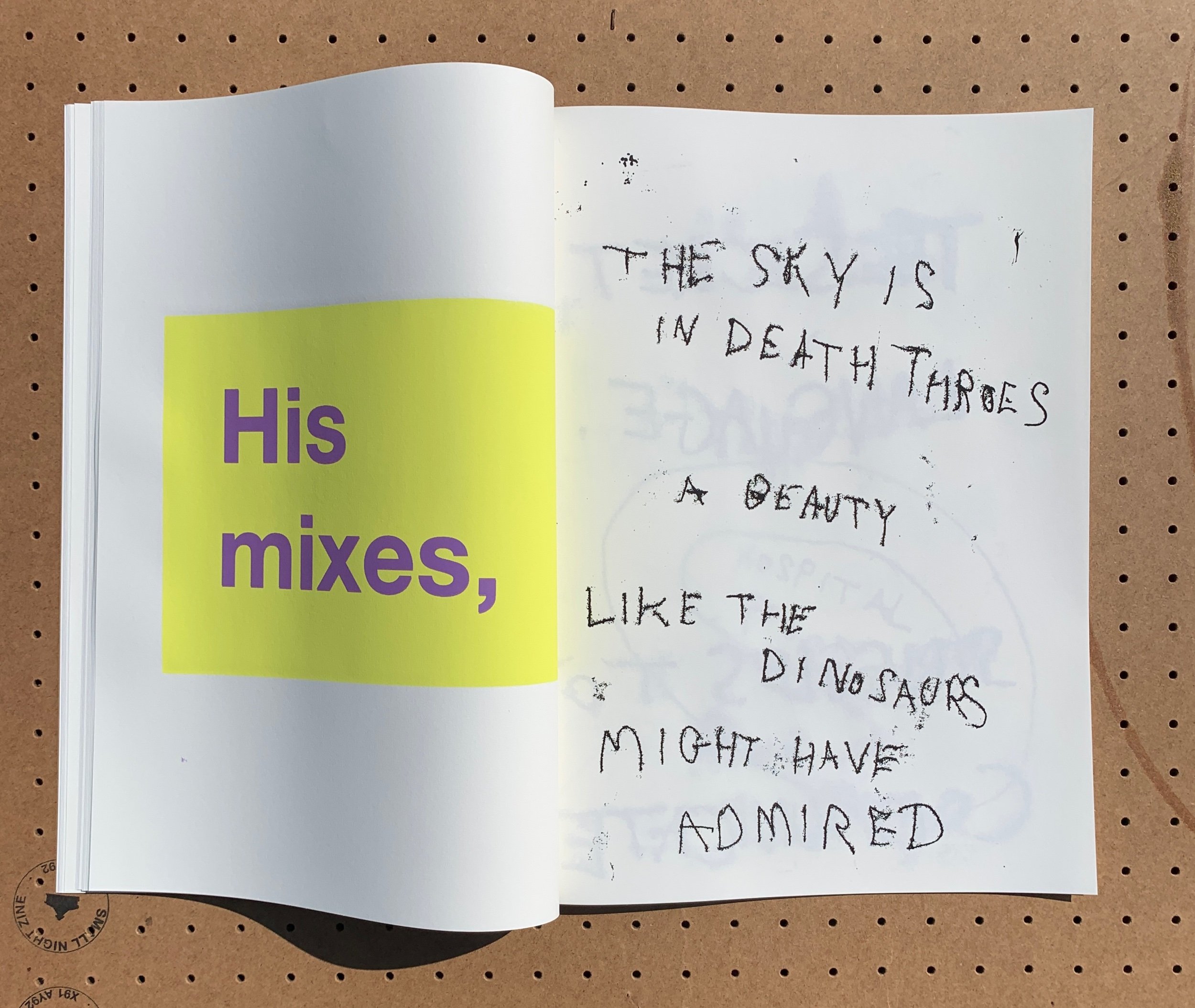
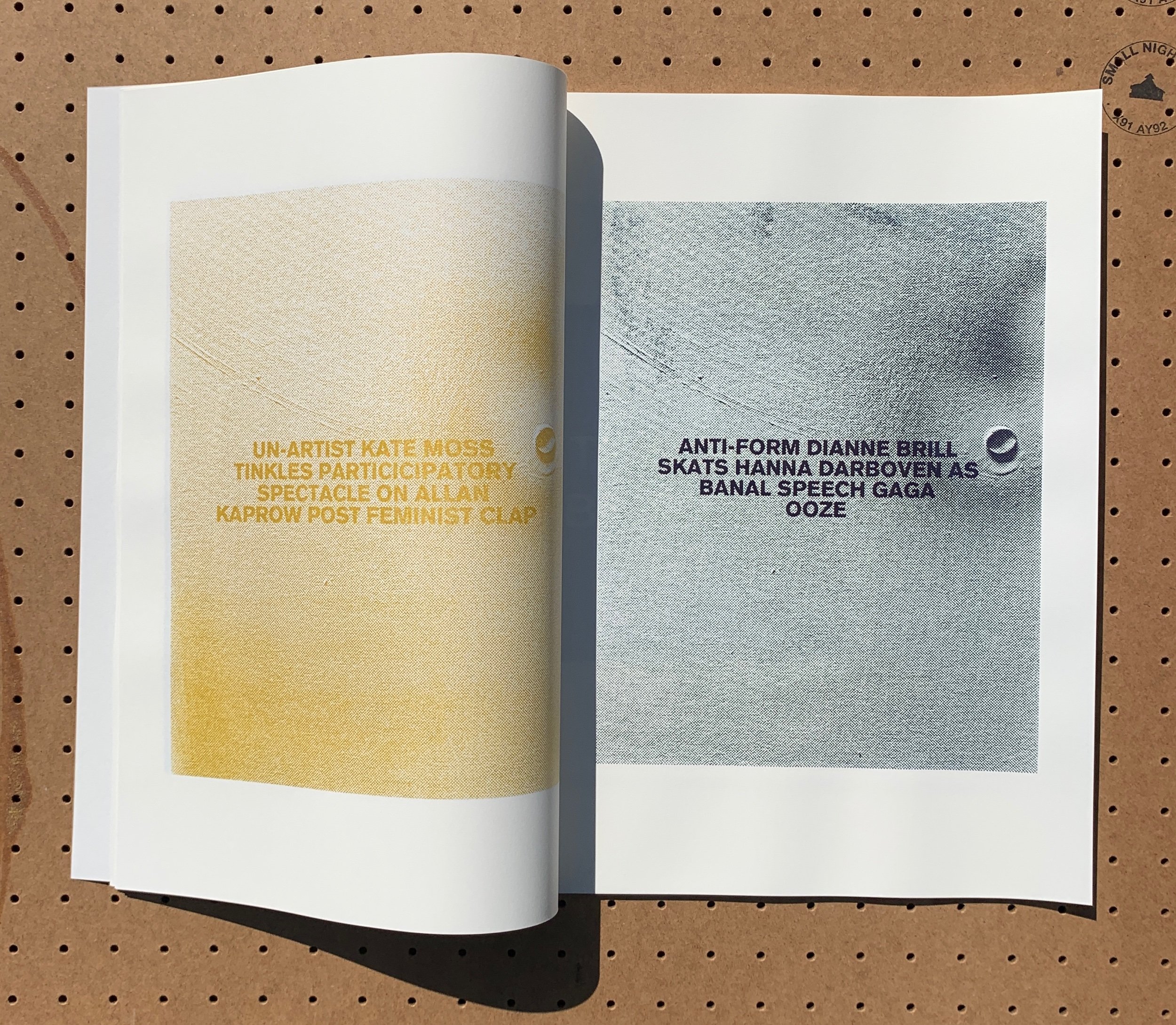
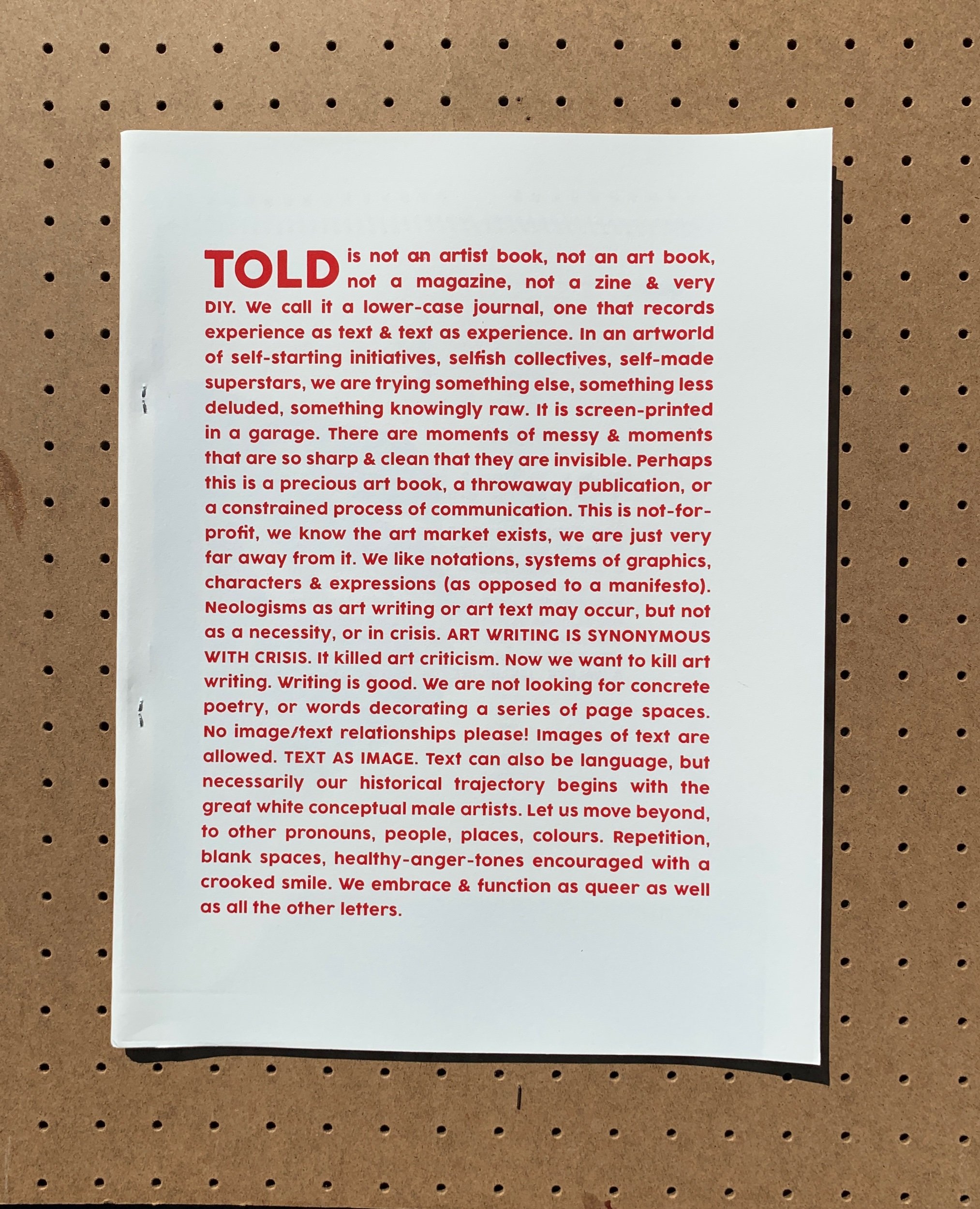
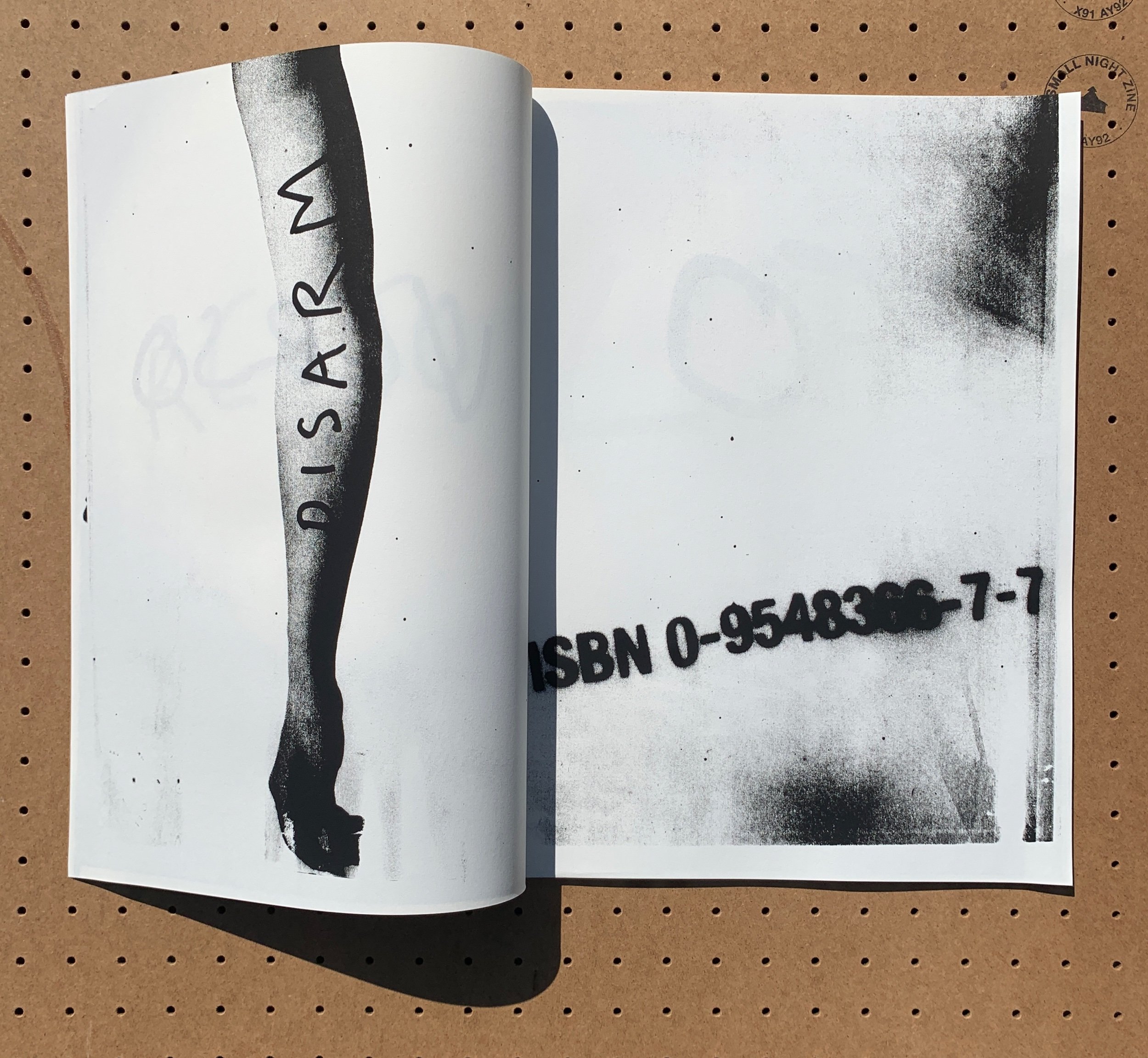
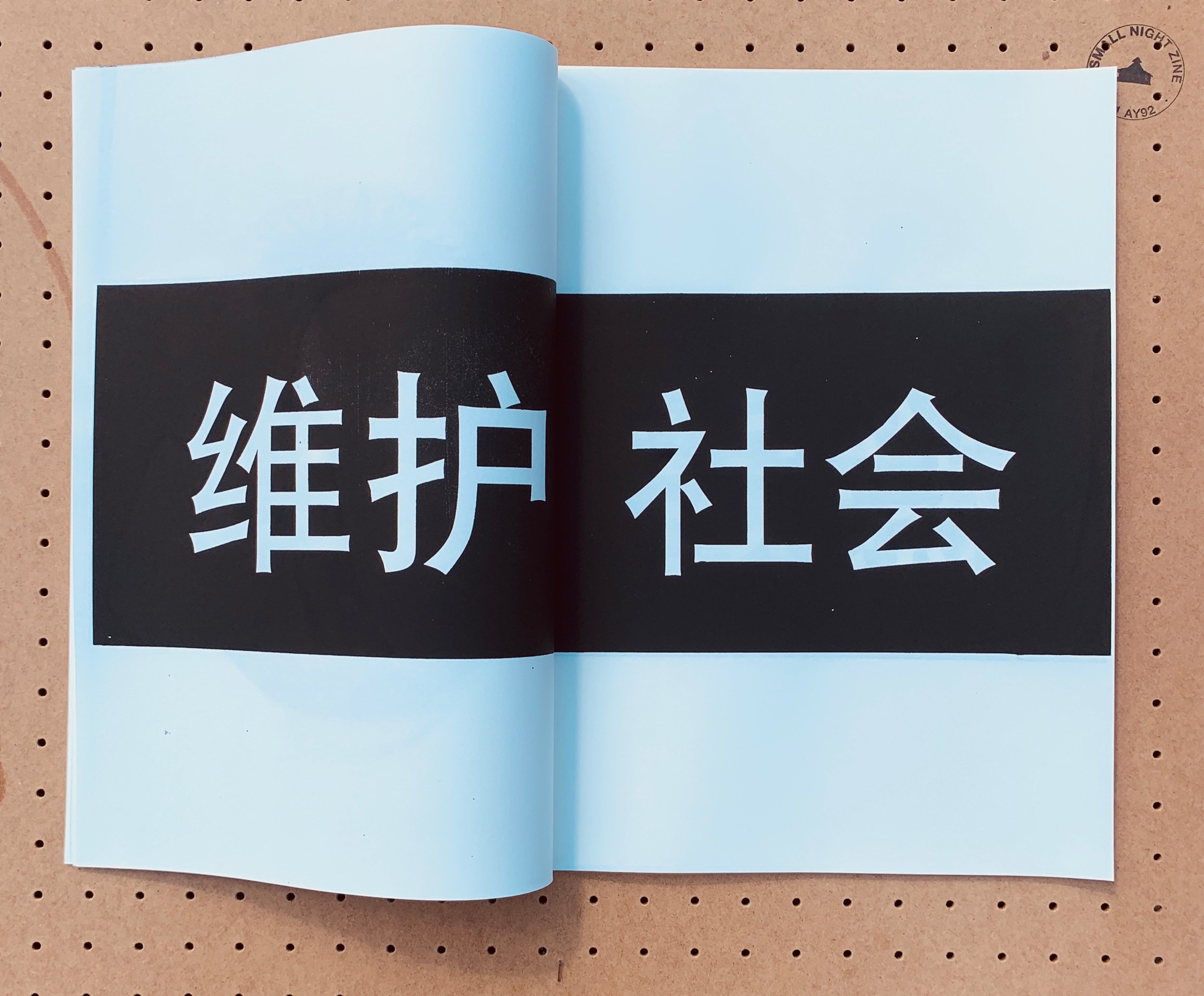
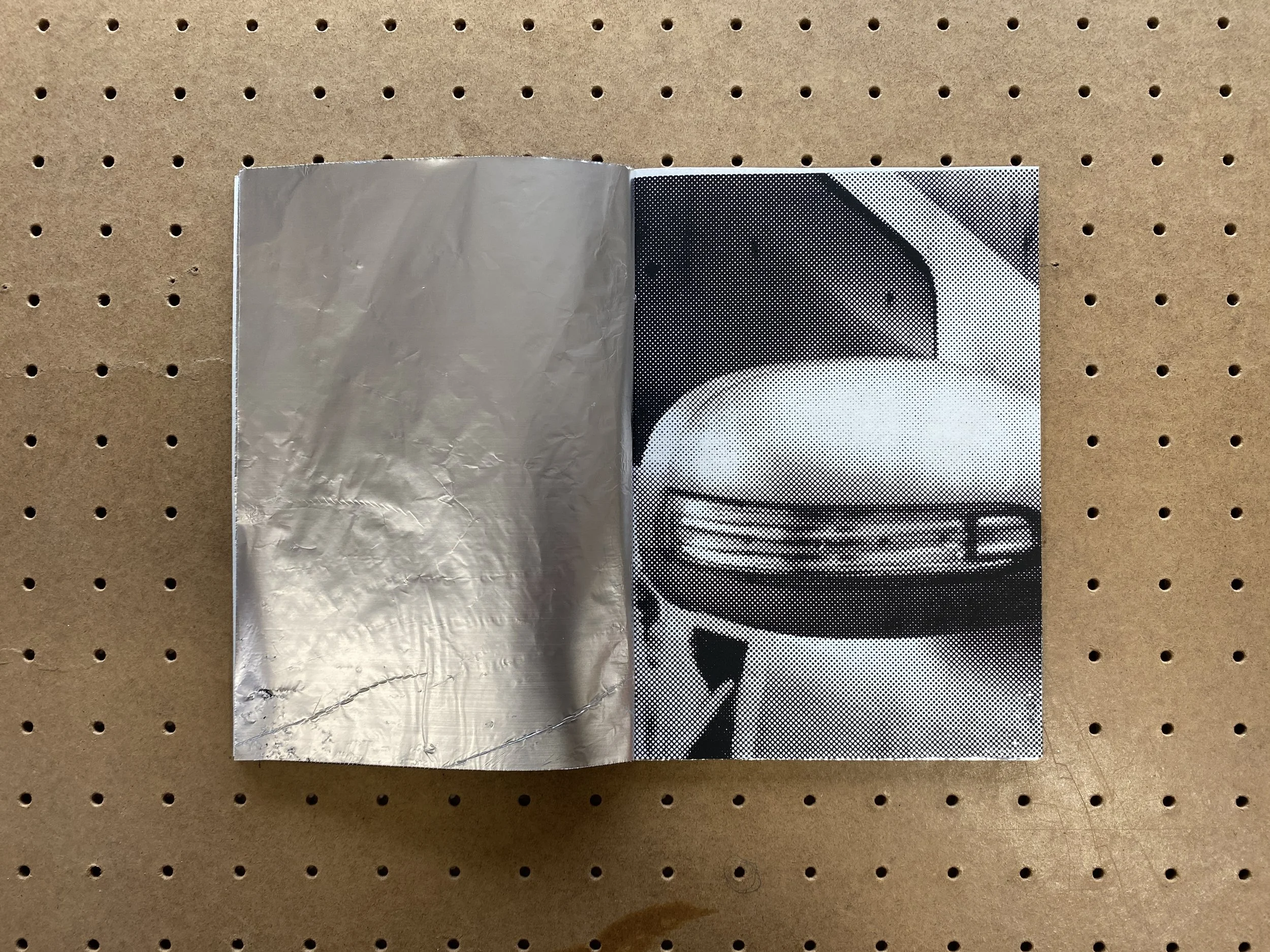
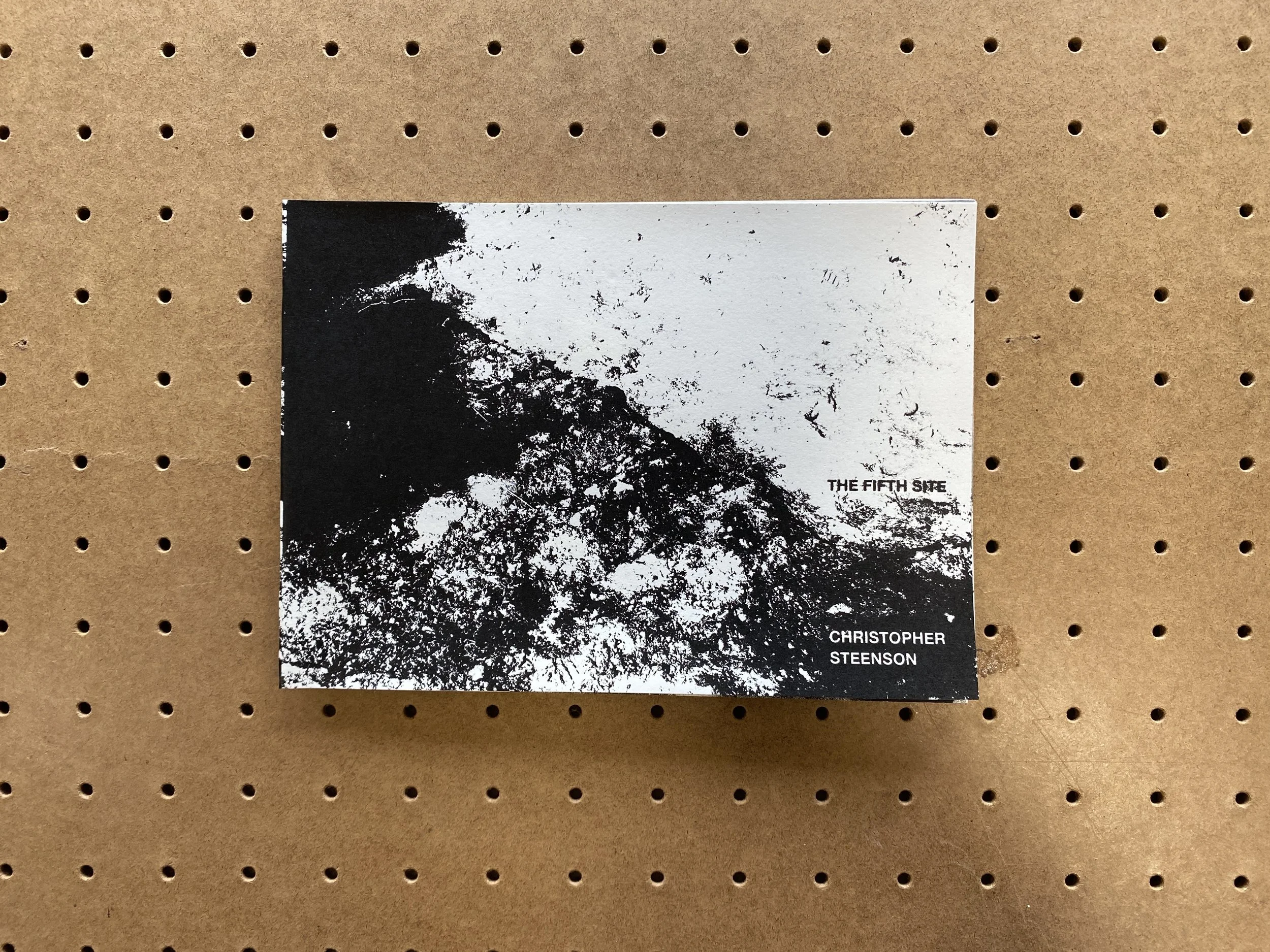
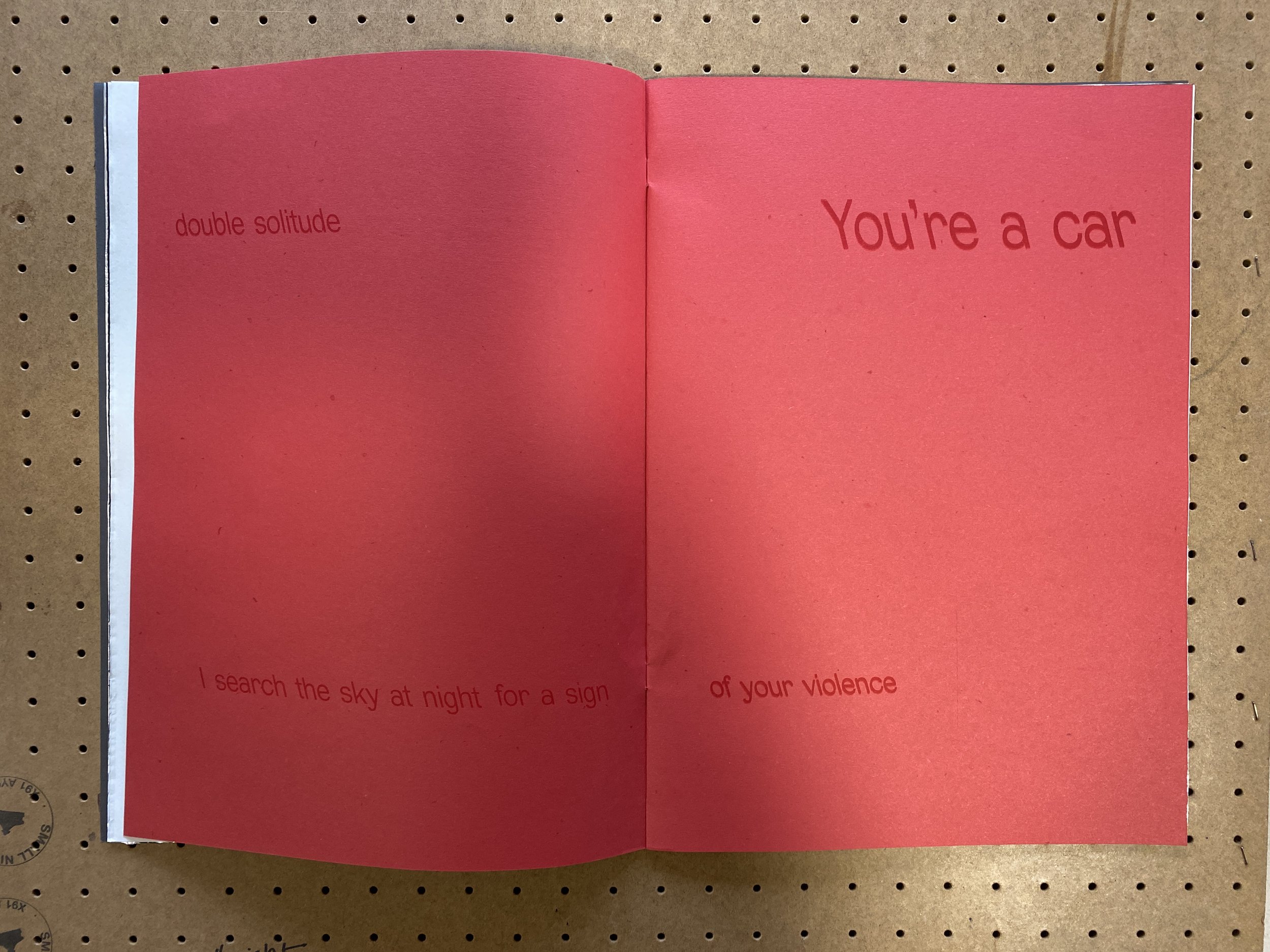
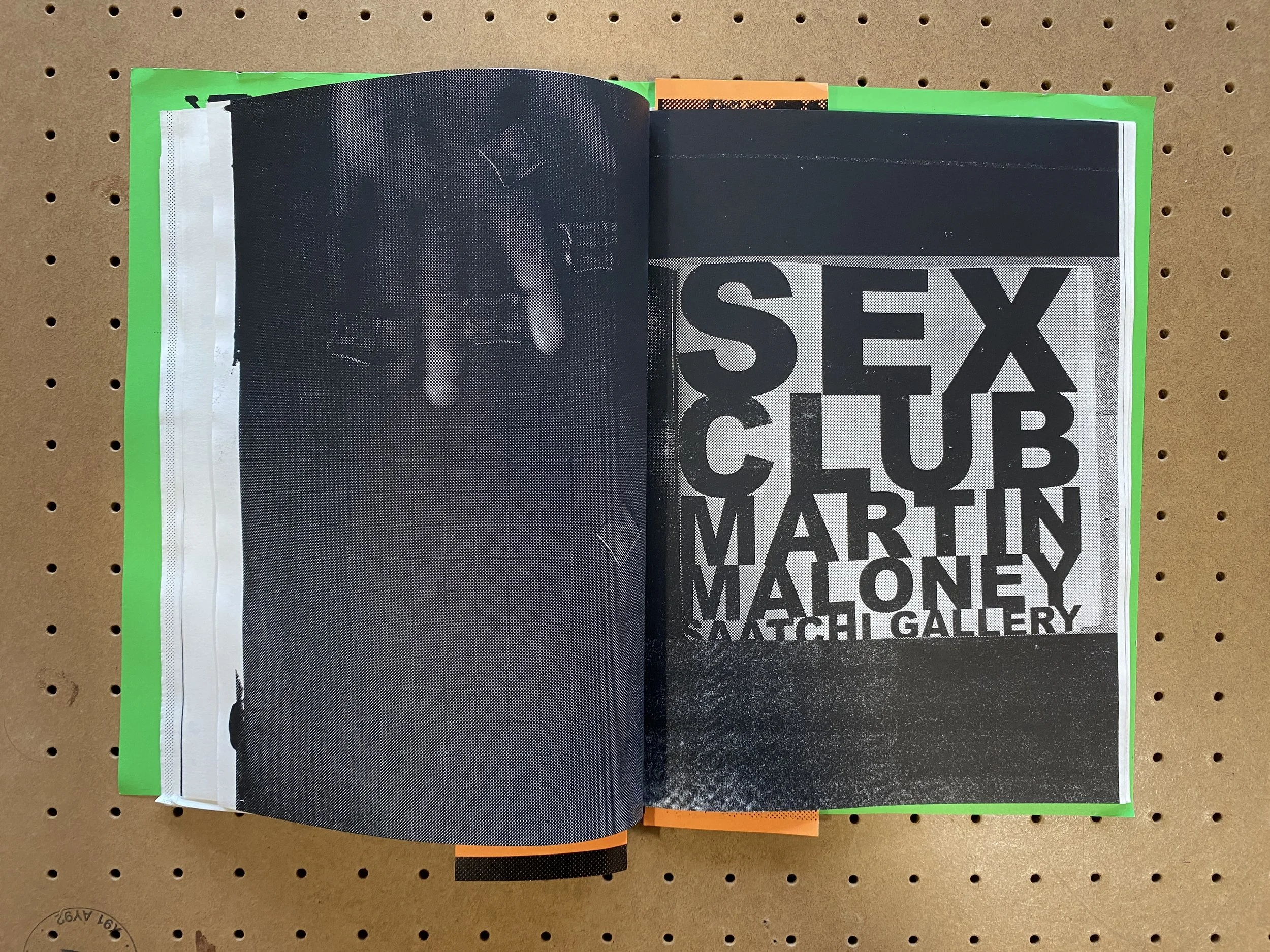
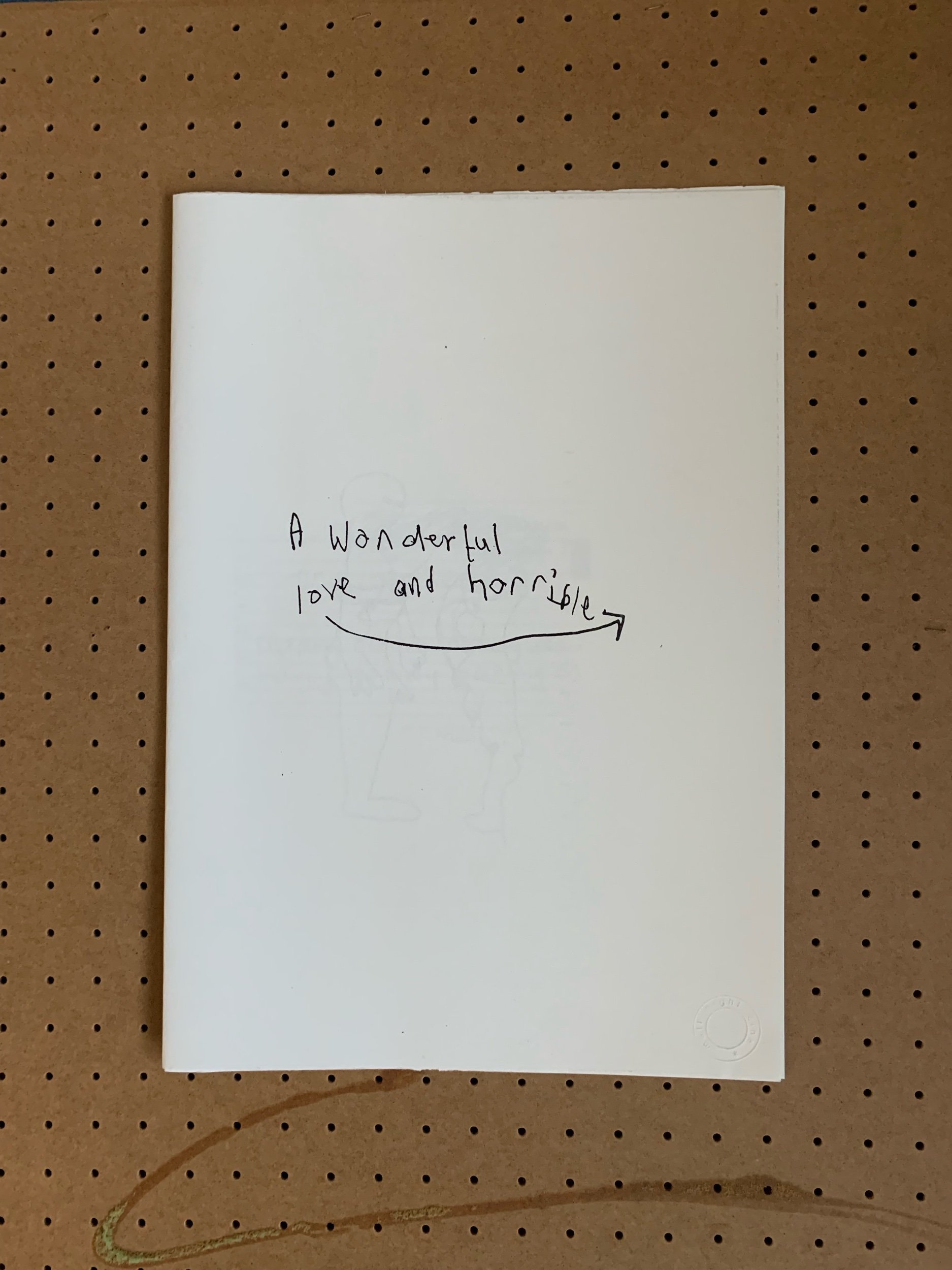
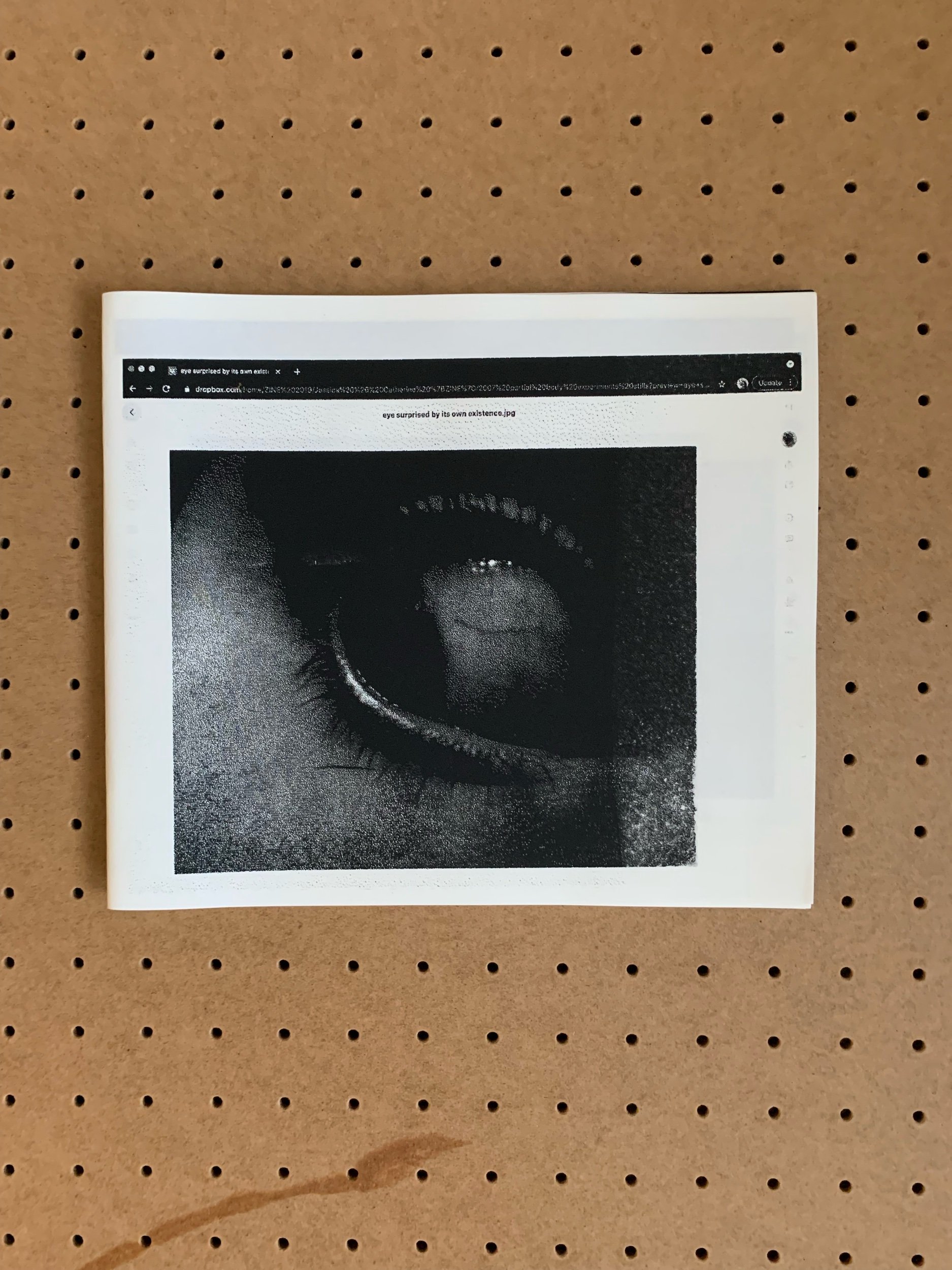
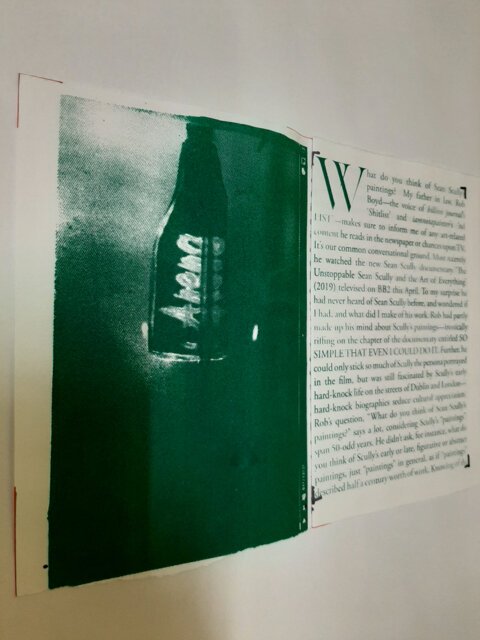
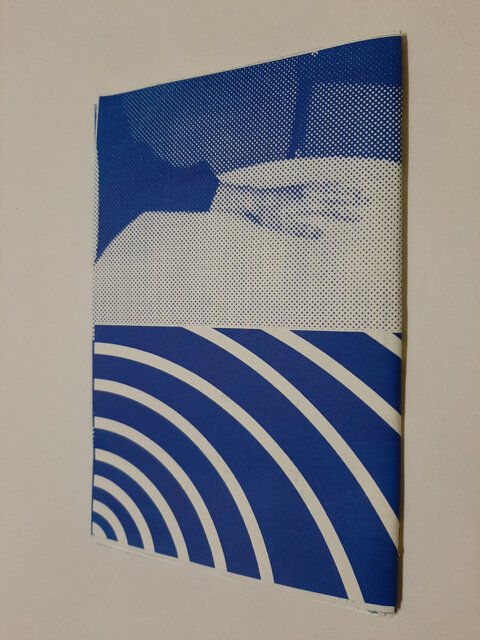
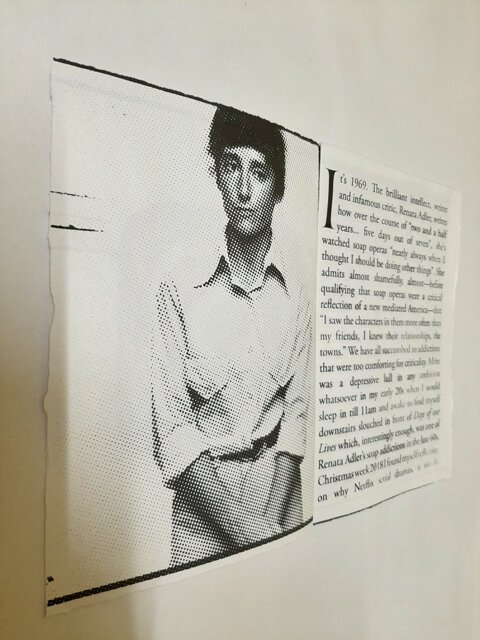
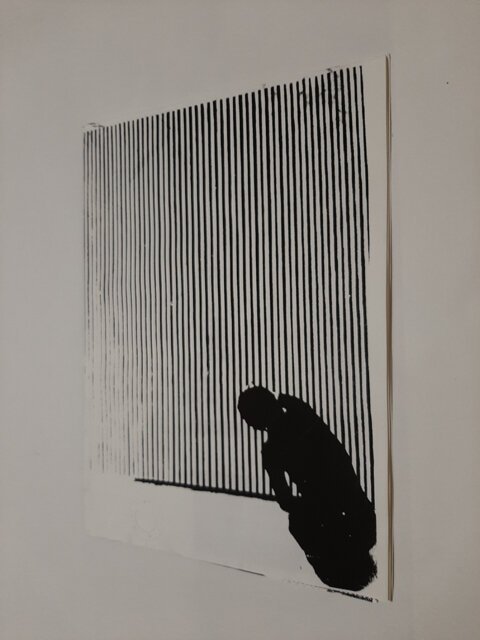
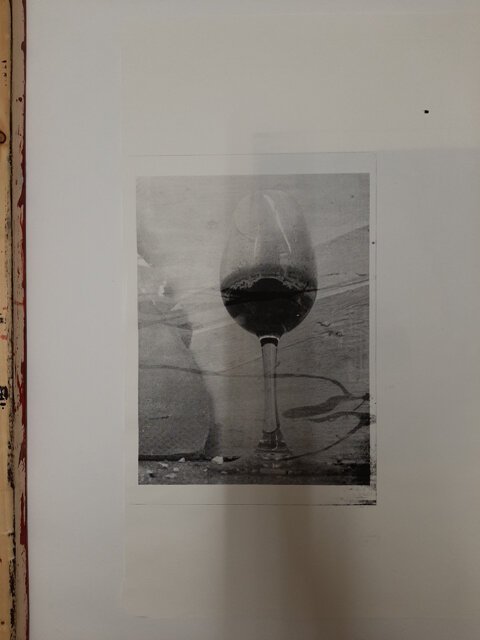
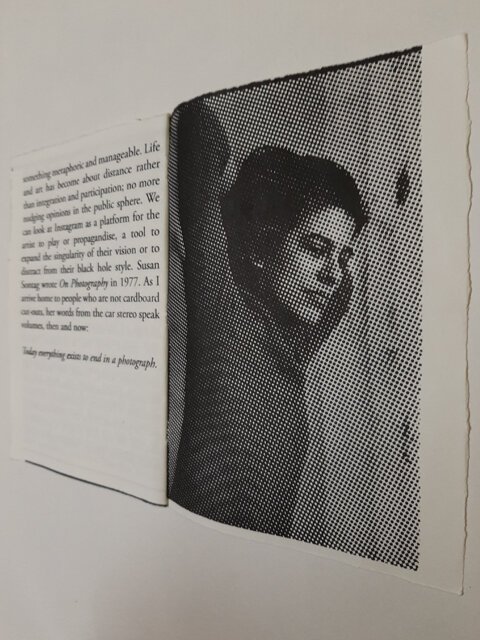
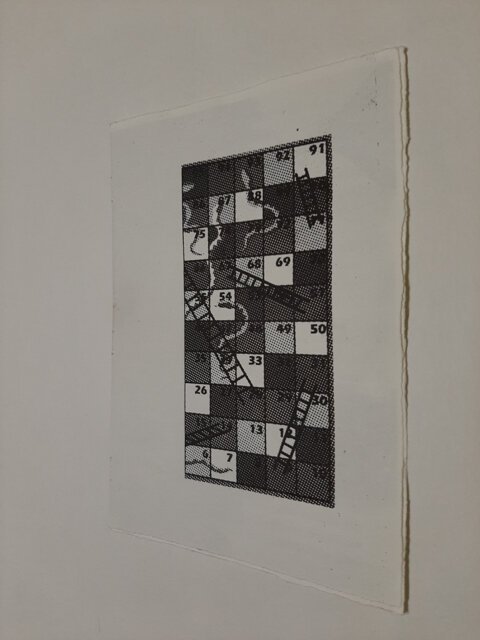
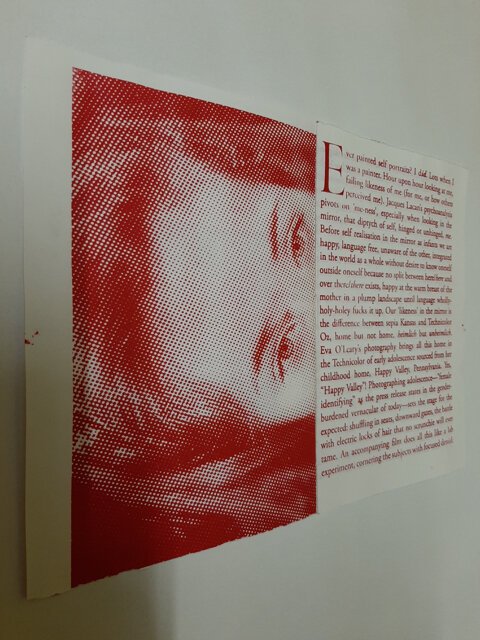
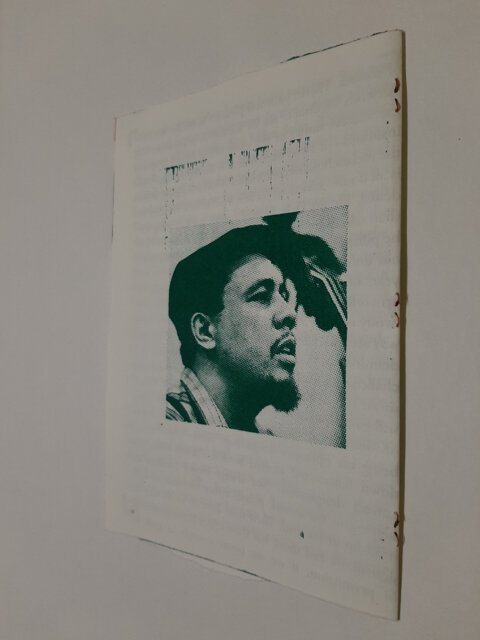
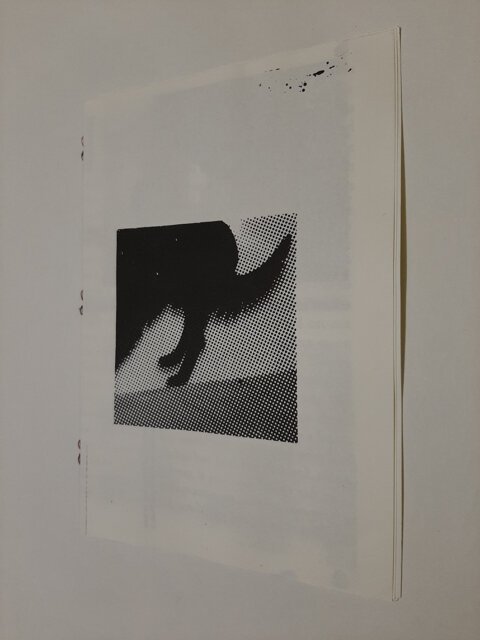
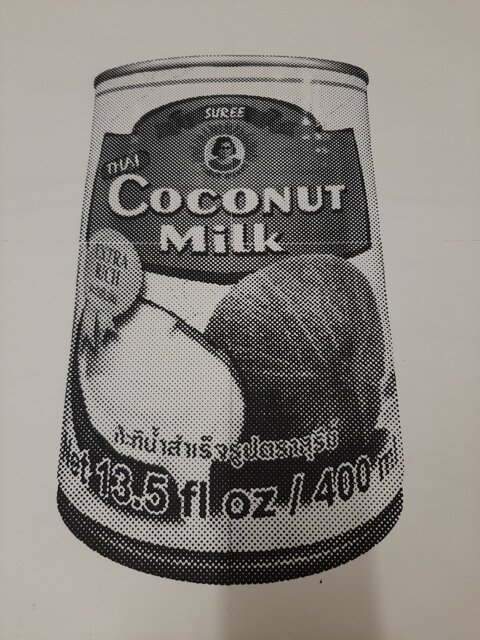
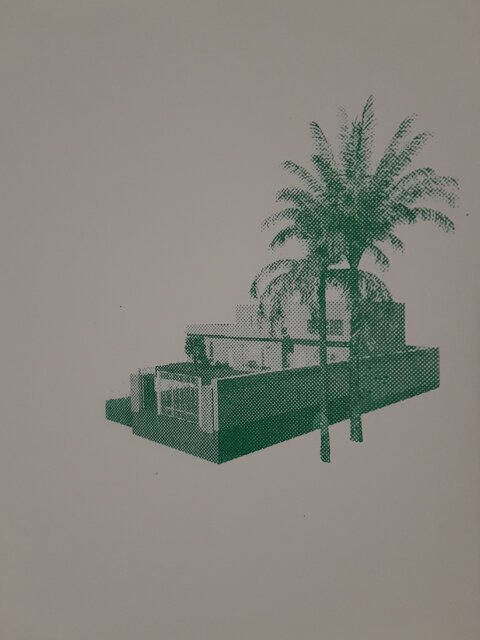
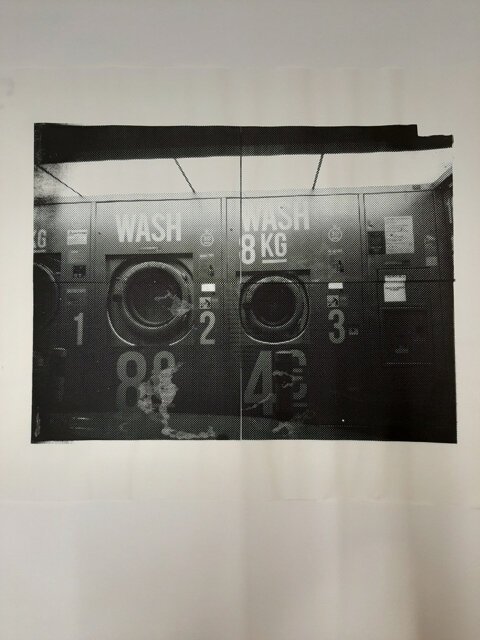
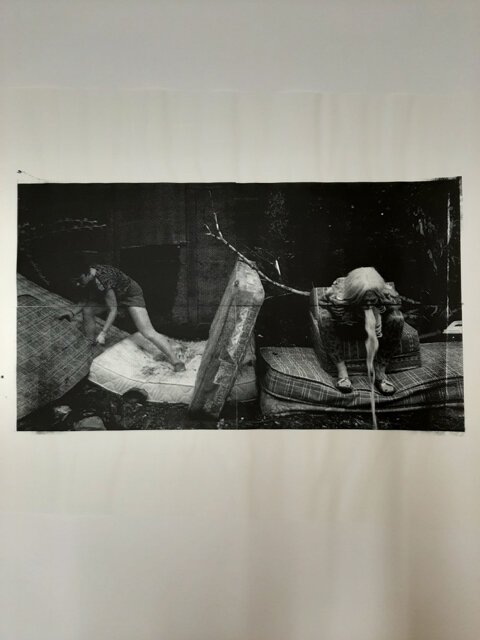
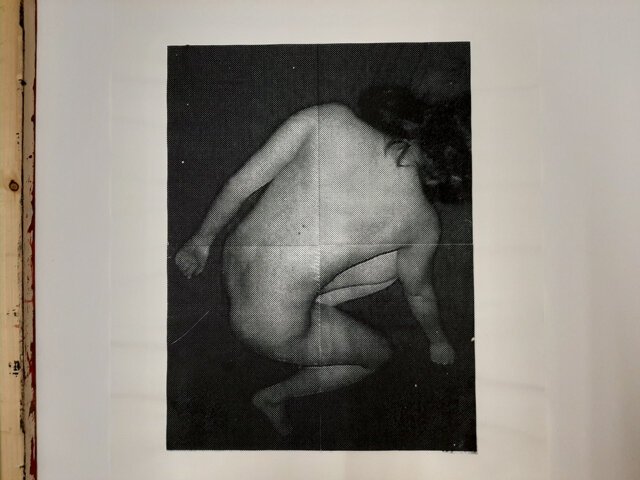
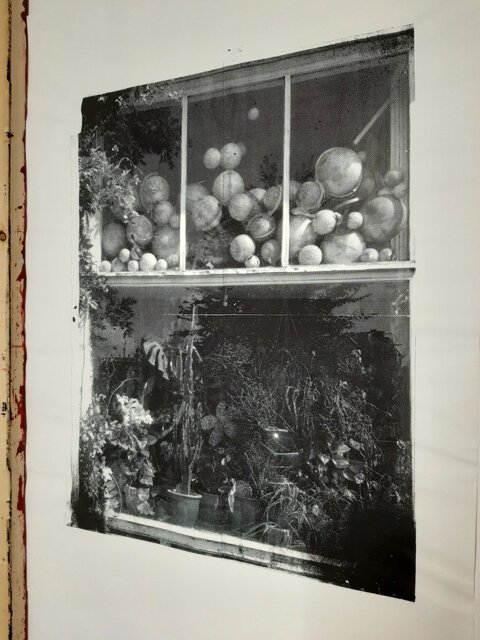
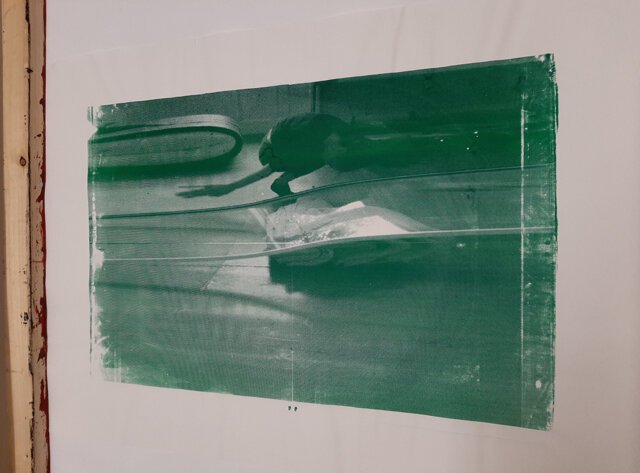
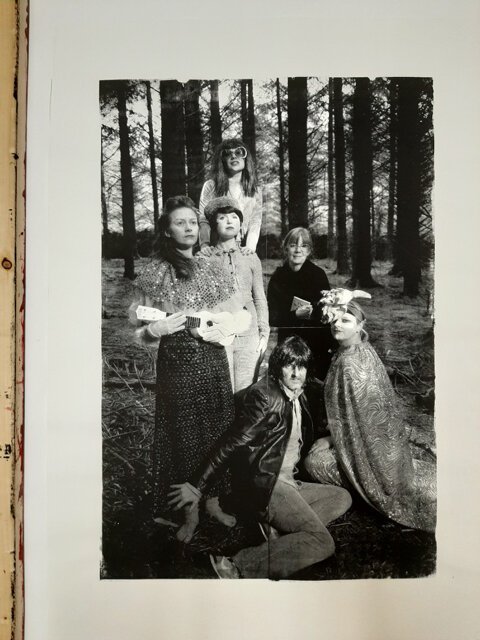
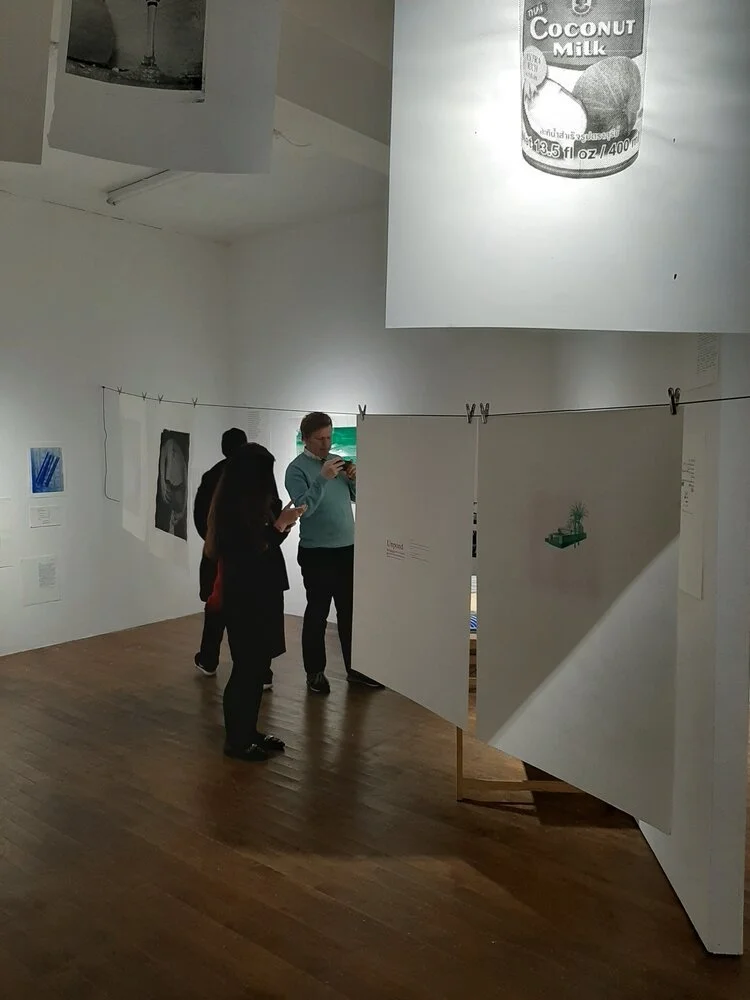
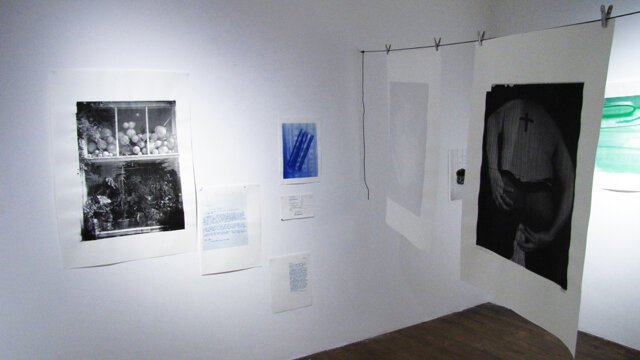
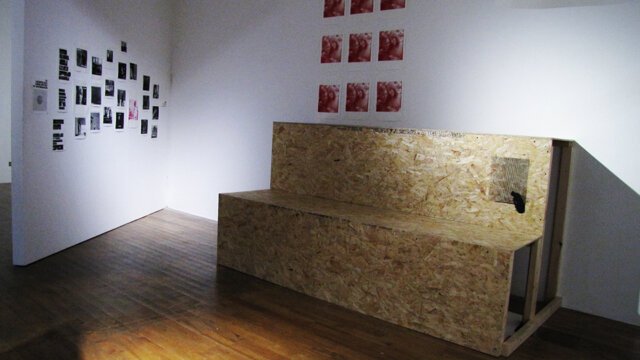
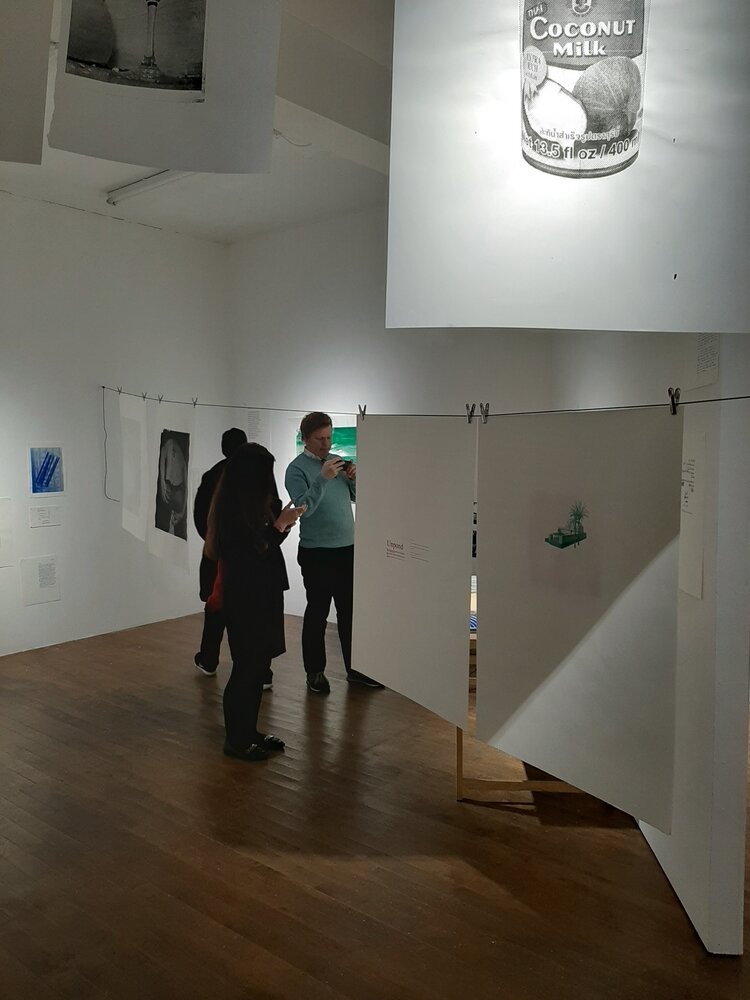
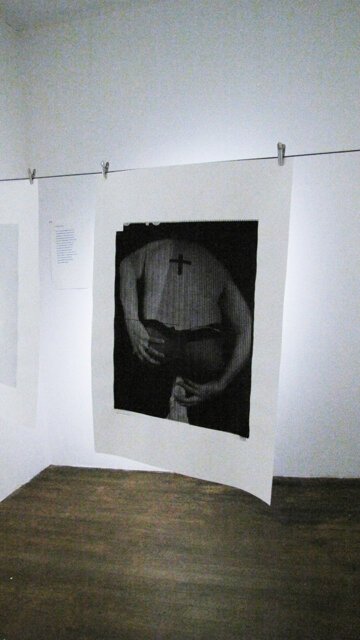
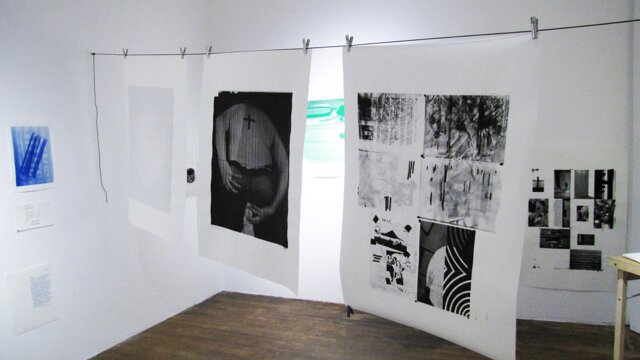
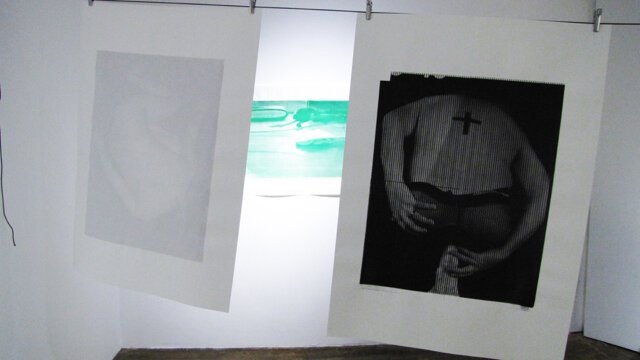
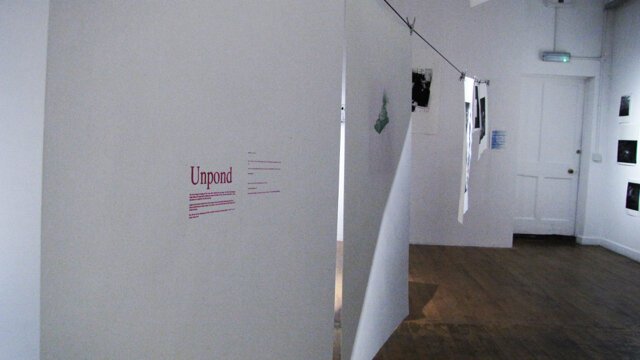
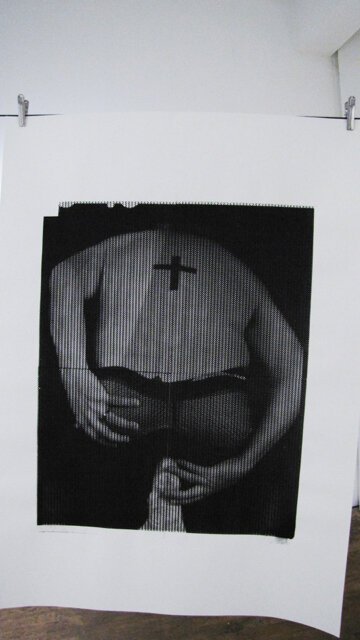
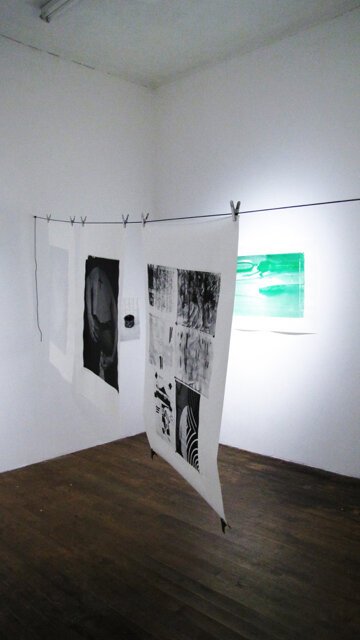
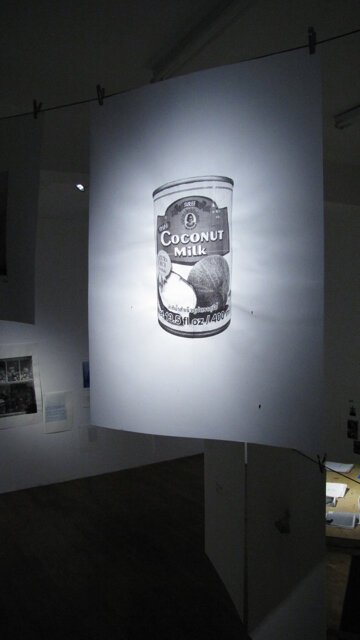
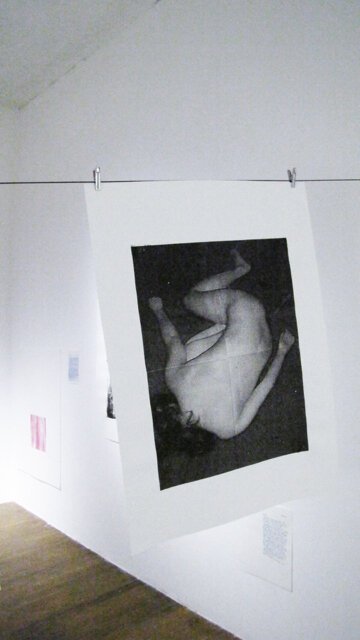
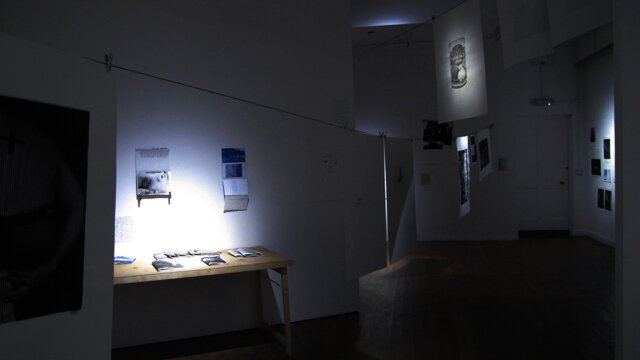
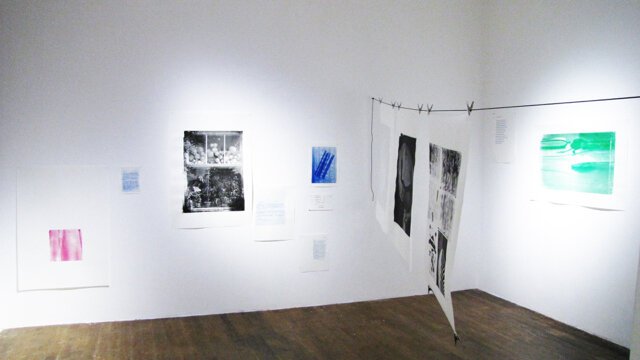
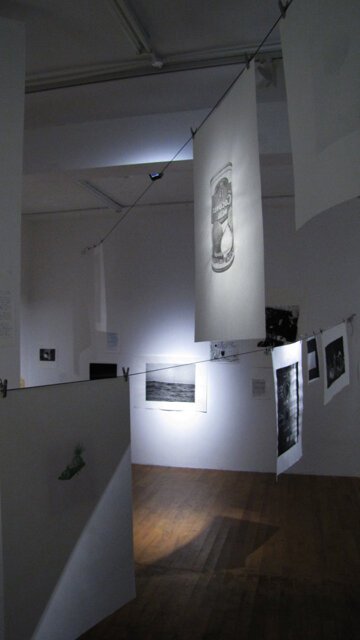
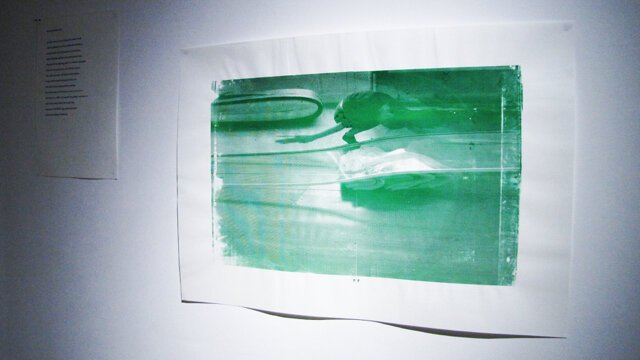
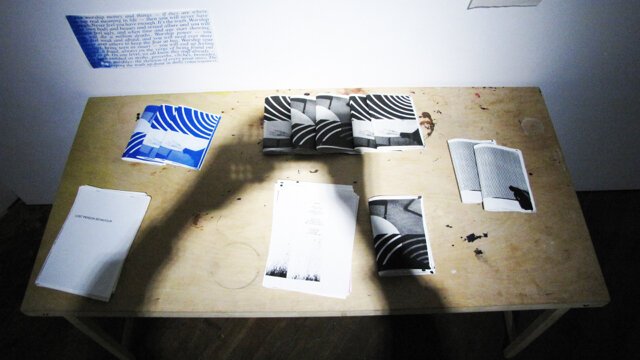
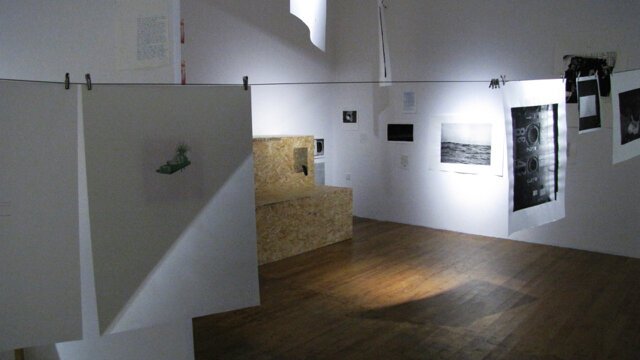
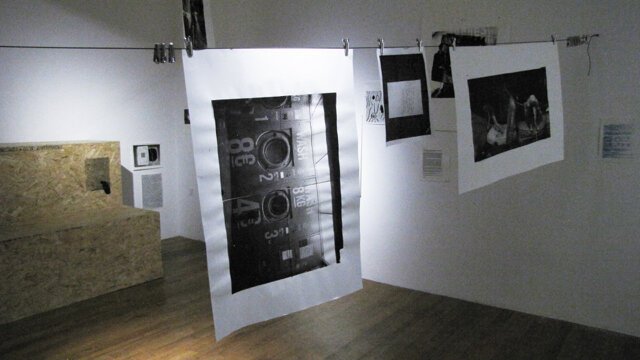
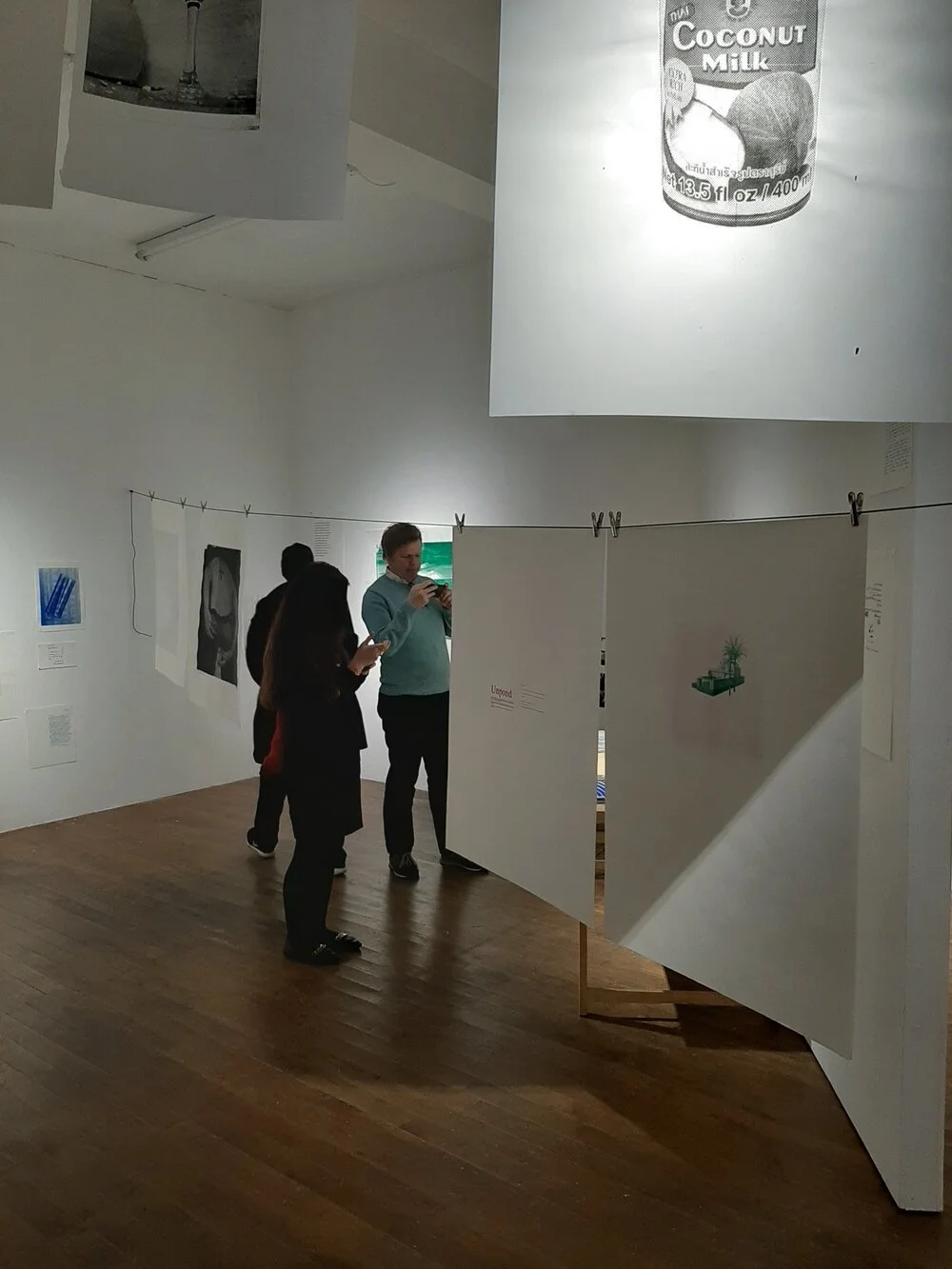
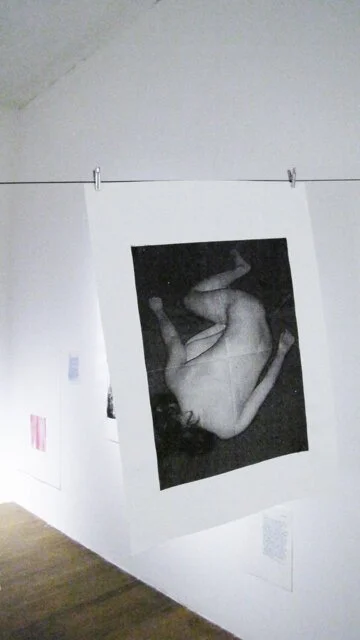
35 Artists At Large experienced through screen-printed posters & letters (“Orphans”) & 6 collaborative zines. November/December 2019

______________________________

Bassam Al-Sabah
Ella Bertilsson & Ulla Juske
Susan Buttner
Dorje De Burgh
Stephen Dunne
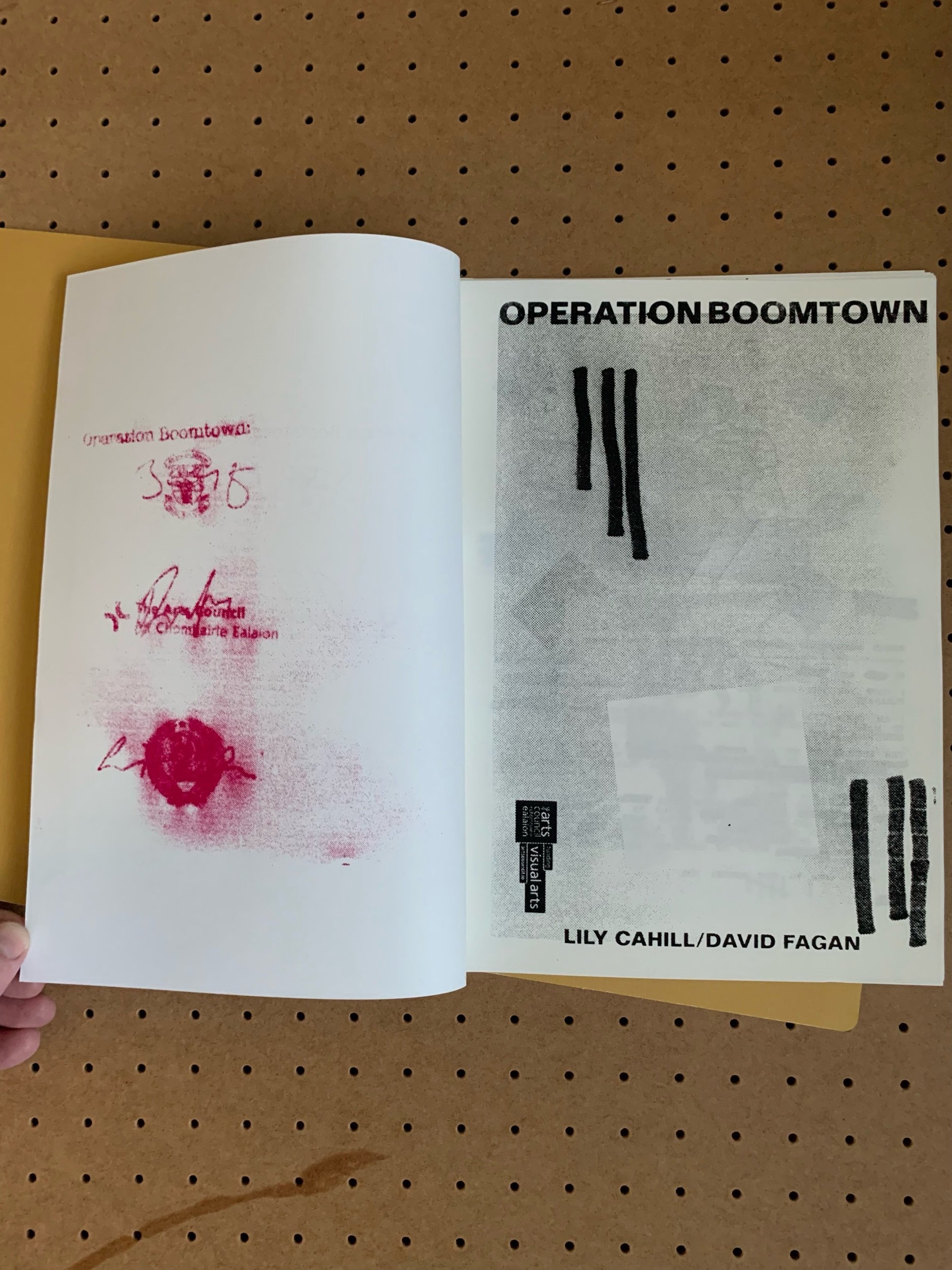
*Lily Cahill & David Fagan
Child Naming Ceremony
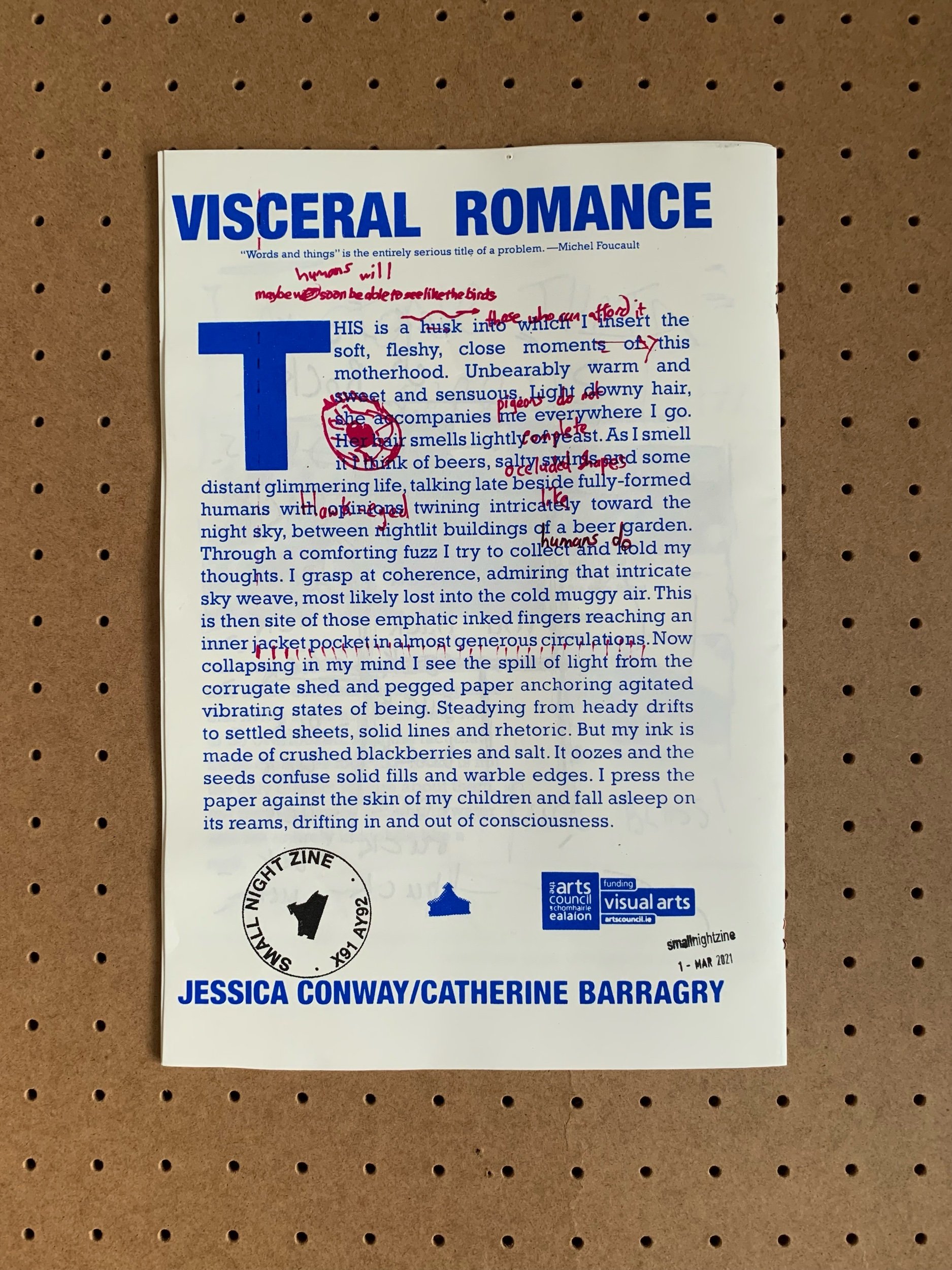
*Jessica Conway & Catherine Barragry
*Laura Fitzgerald & Katharine Barrington
Damien Flood
Michelle Hall
Austin Hearne
Ann Maria Healy
Sinead Keogh
Mollie Anna King
*Silvia Maglioni & Graeme Thomson aka Terminal Beach (invited by Katherine Waugh)
Jonathan Mayhew
Angela McDonagh
Glenn McQuaid
Celina Muldoon
Frances O’Dwyer
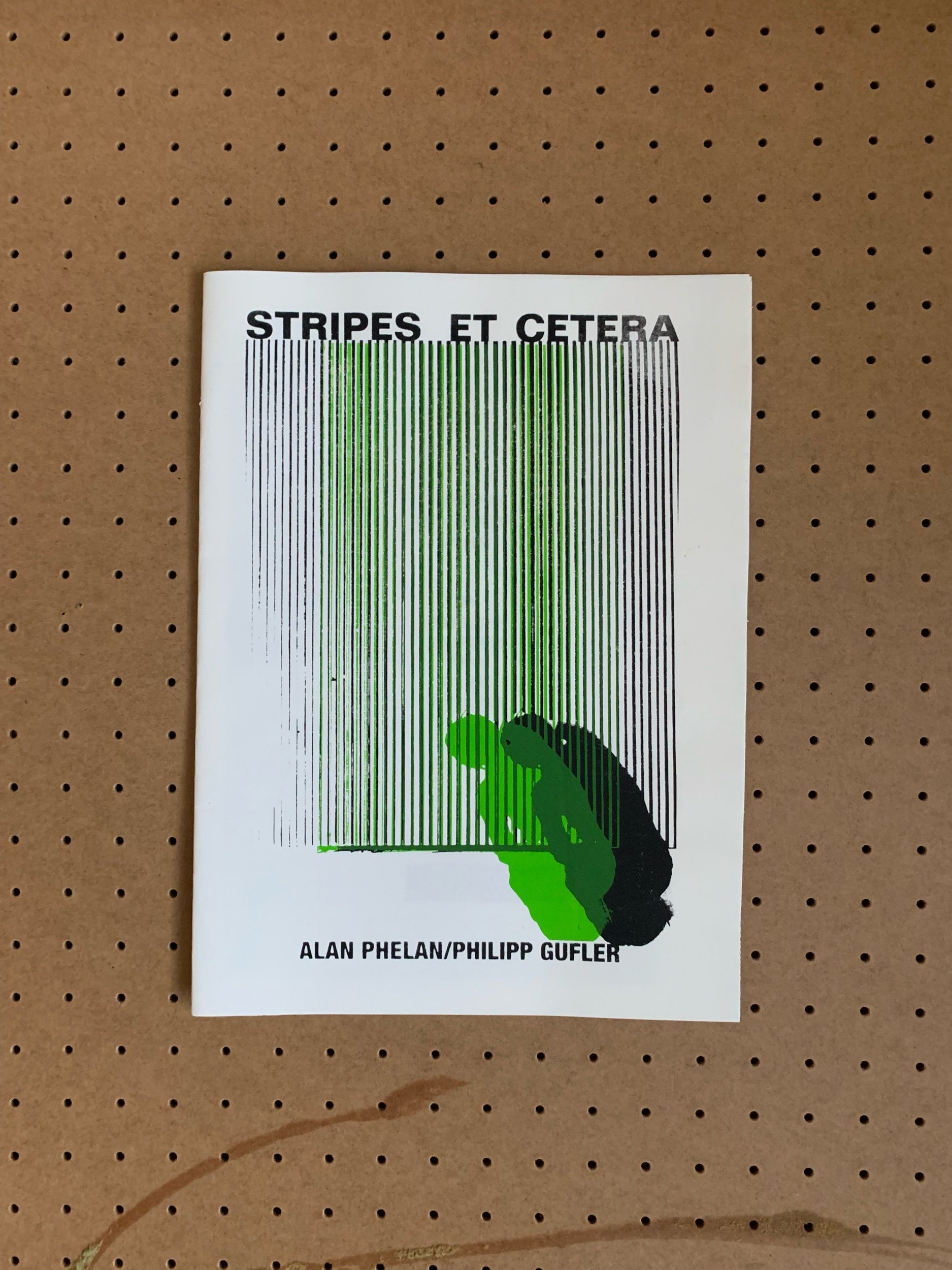
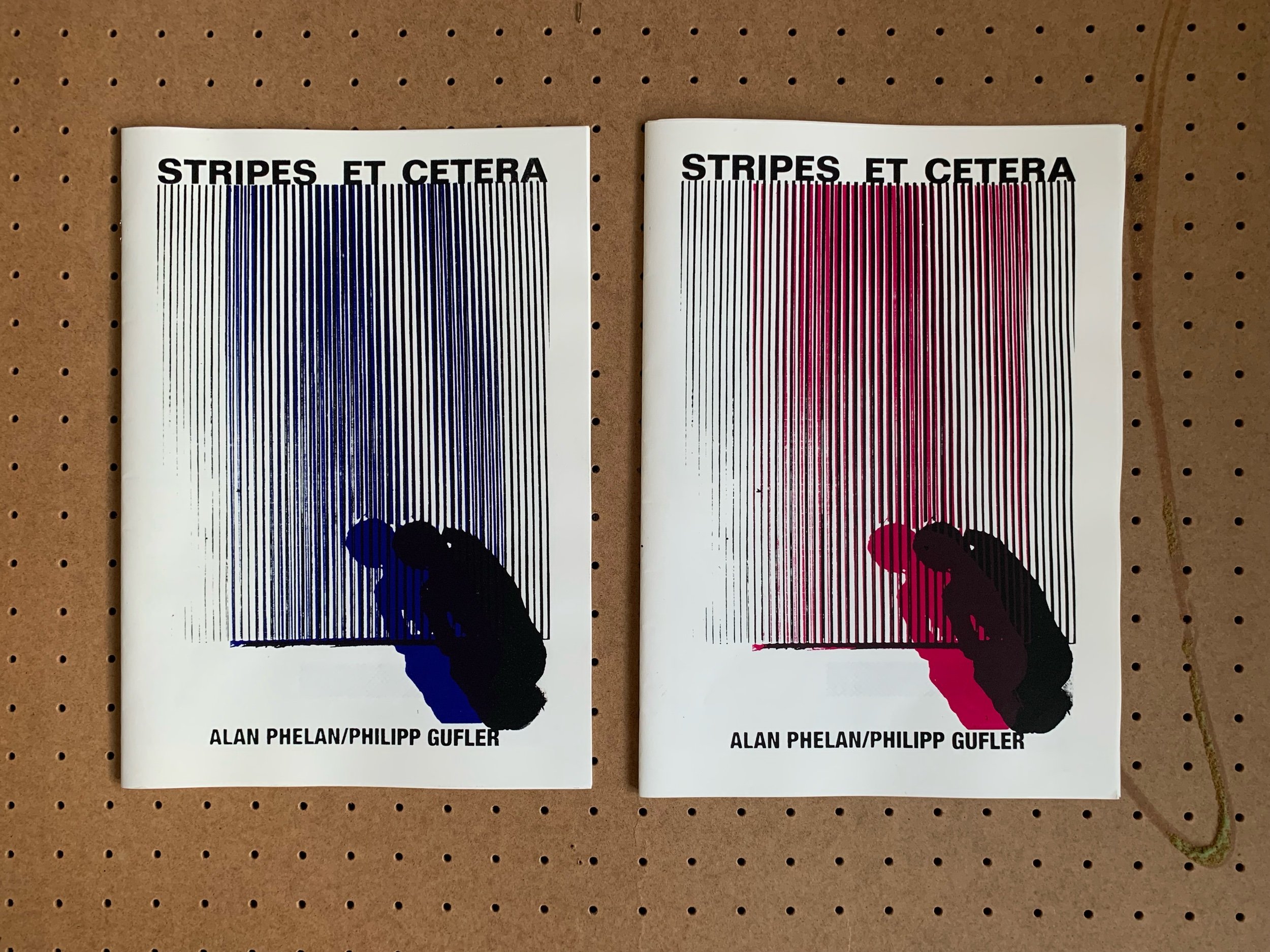
*Alan Phelan & Philipp Gufler
Liliane Puthod
Chris Steenson
Frank Wasser
*Lee Welch & Paul Hallahan
-------------------------
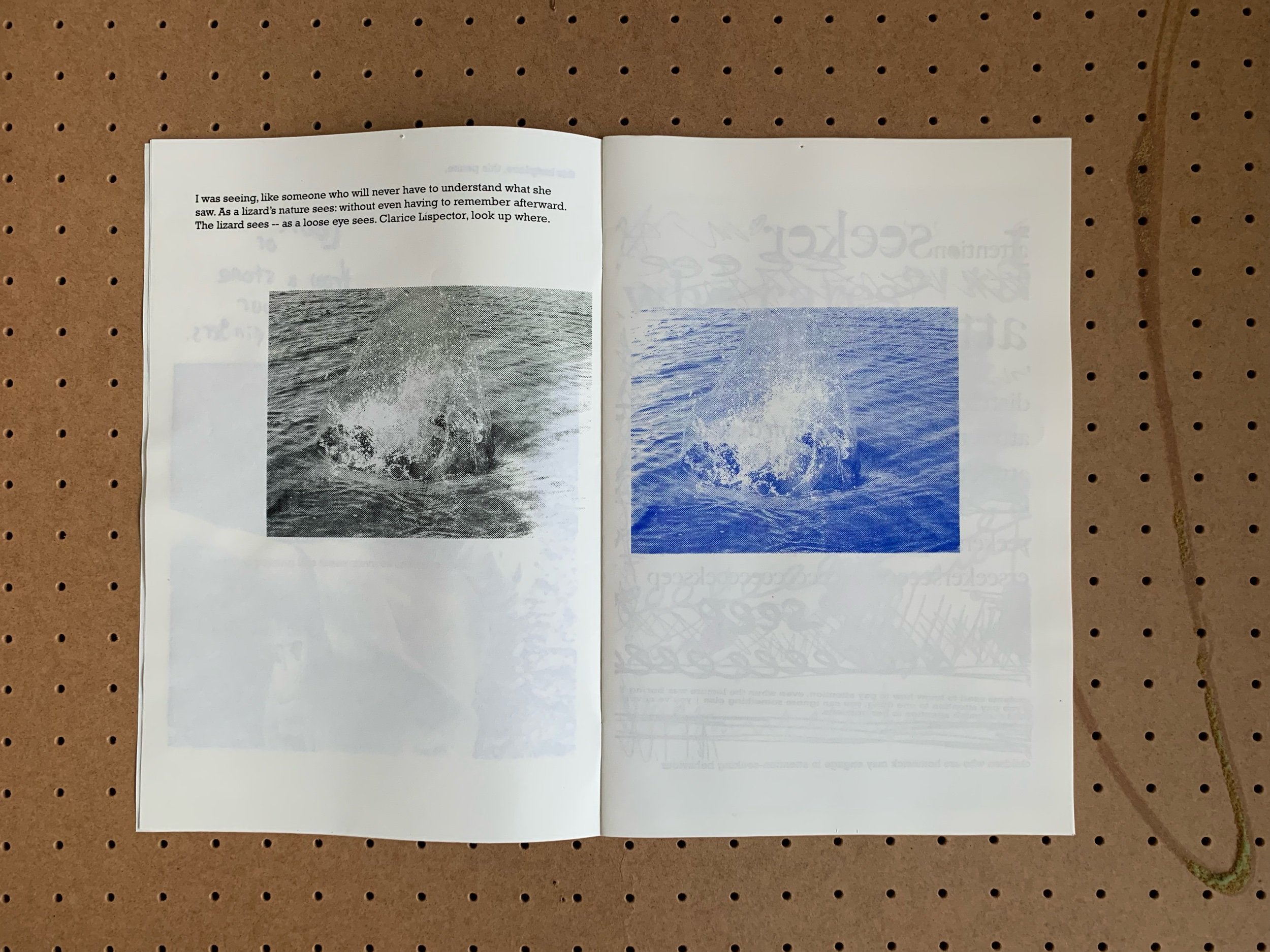
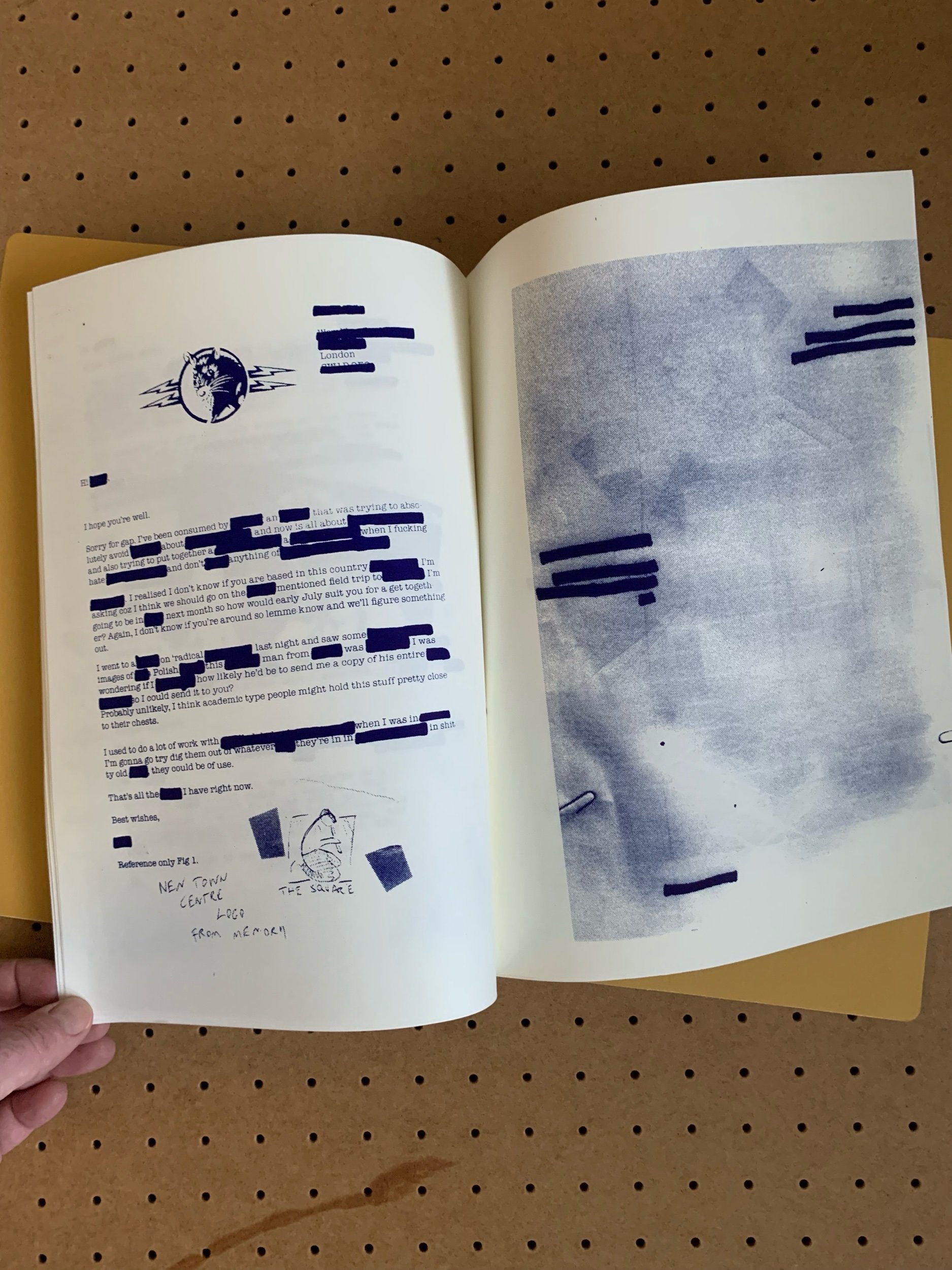
*Collaborative zines

WE ARE FETISHISTS

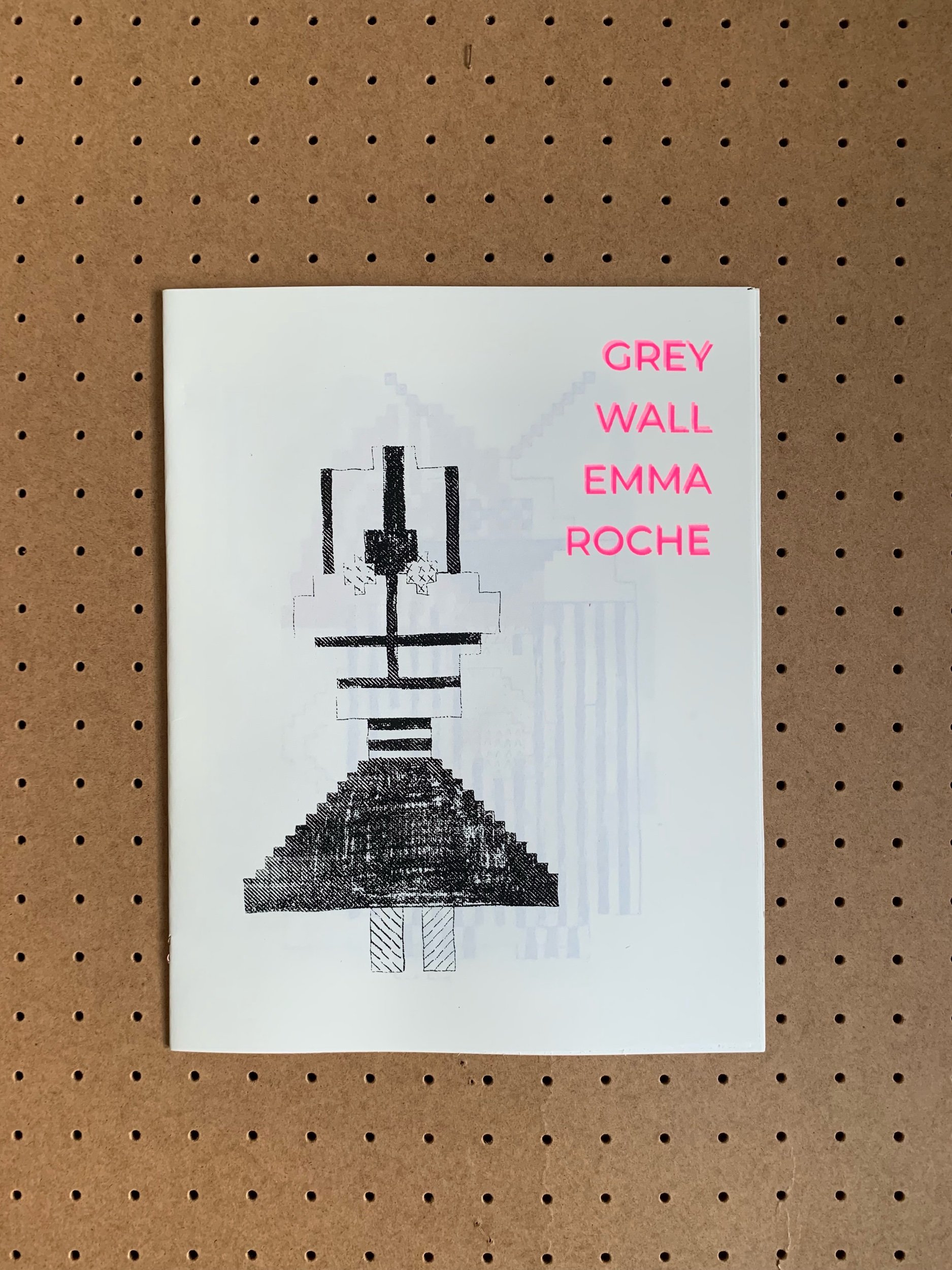
TO: Ursula Burke, Marian Balfe, Kian Benson Bailes, Austin Hearne, Locky Morris, Fiona Reilly, Emma Roche, Celine Sheridan, Brian Teeling

RE: WEAREFETISHISTS —GARTER LANE ARTS CENTRE —6TH AUGUST – 24TH SEPTEMBER 2022

Dear Artists.

As you already know, the title of this thing we are doing together — WEAREFETISHISTS — is something we have been circling for two years. The circling was due mostly to COVID, when delays & cancellations spaghettified everything. The more I circled without taking a right-angled turn towards the centre, towards some made-up deadline, the more I began to realise that all this circling can be defined by a word found within the word pileup that is WEAREFETISHISTS.

Don’t know if you know this, but there’s this psychoanalytical term called “fetishistic disavowal”, defined in distance or over-proximity. It’s something like this: when you lose someone you love, the loss of that love is sometimes put onto another object, inanimate or alive. The festishistic object bears the grief, desire or anxiety you are having to avoid confronting head-on. It's a pathological transfer, or detour, based on distance & loss. Very Freudian. But there’s also another way to define the fetish, as the fear of getting too close to the object of your desire, so you put up a barrier in the form of, let’s say, an image, that becomes an unconsummated fantasy. You fantasise about touching reality, but it’s a reality you are afraid to touch. Instagram!

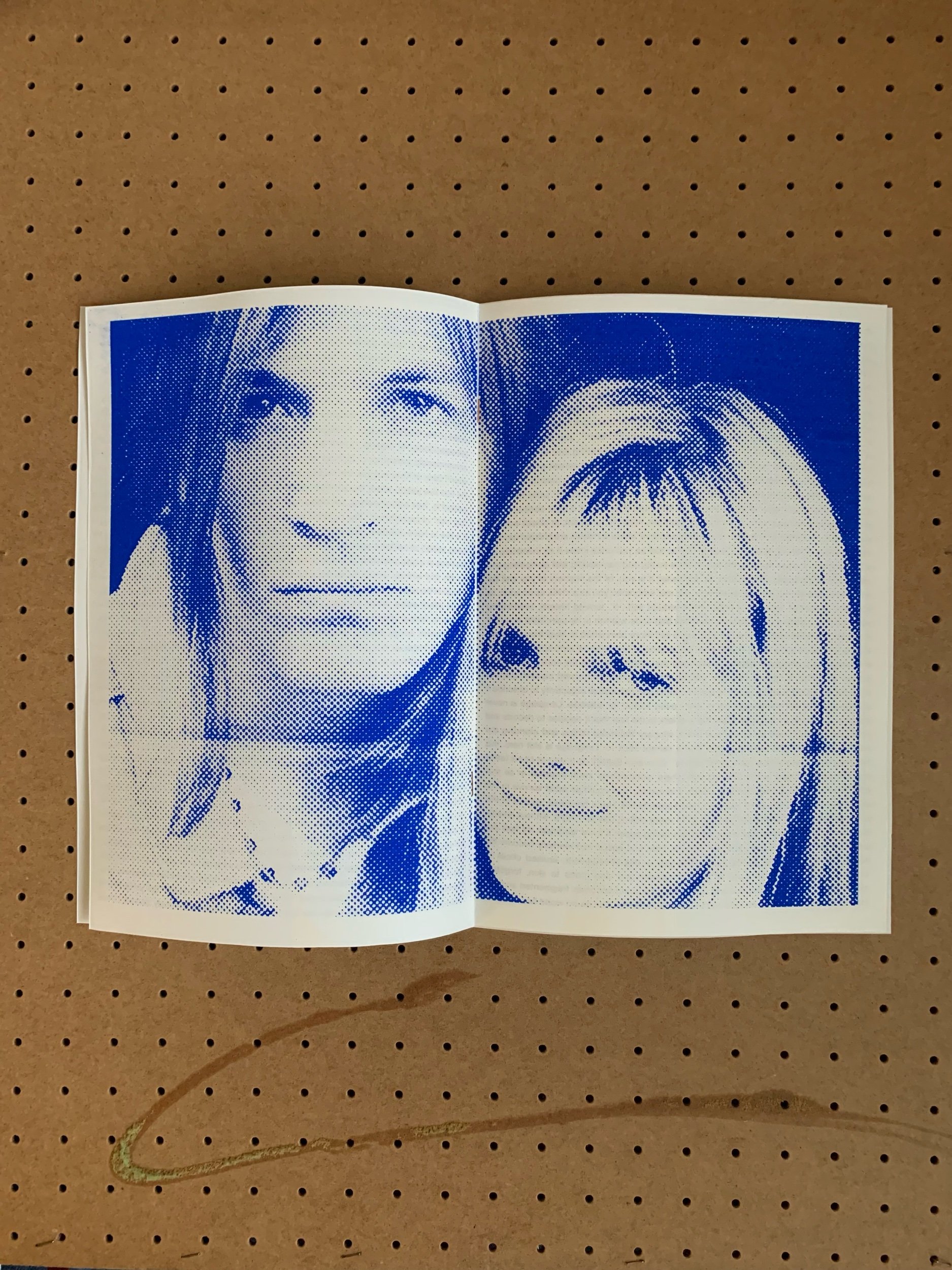
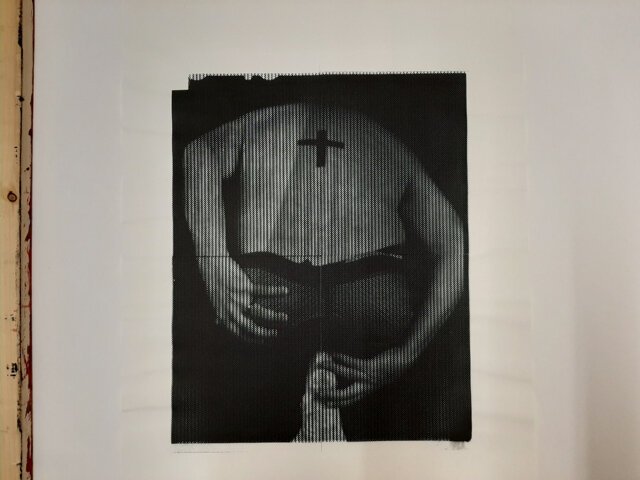
The more and more I think about what has happened over the last two years, the Zoom distancing, the slowing & stretching out of art making, the fetish, in relation to art, or intrinsic to being an artist, makes more sense to me. If you think about the structure & process of WEAREFETISHISTS, the way I have ended up screen-printing your drawings & images, it’s completely fetishistic. 

Thing is, two years ago I asked all nine of you if you’d be interested in submitting images or drawings of your work for screen-printing. You said yes, & I was really grateful. Sure, it was a weird collaboration, in that I was “providing a service” (In Fiona R’s words). But during the circling my relationship with your images became more deep-seated. Celine S mentioned during one phone conversation that, in so many words, she had severed ownership with the drawings she submitted. Probably because they had gone through a process that she felt dissociated from, both from her hand or her judgment. She had released them into my care to become something else. Fucking weird.

From my perspective, I have felt a little perverted during the process. In that I was taking your work & having my way with it, in some instances getting high on the results of the transformation from drawings or photographs into silkscreens. That’s weird, isn’t it? I was also thinking about the exhibition of the work. Who was really exhibiting? You or me? I have no desire to exhibit; perhaps make exhibitions, yes, but not become an art object again. This is where the fetish breeds, in the space between disavowal (Who owns the work? Who is exhibiting the work?) & attachment (It’s my work not theirs!). The fetish also exists in the anxious & fearful space of avoidance. The fetish object helps maintain a distance from the real object of desire. 

What I mean by becoming an art object is linked to a strange thought I had the other day about being an artist in the lifeworld. If you think about it, artists become art objects, that’s their fate. The moment they leave the lively process of their studio with their art objects in hand for the public to gawk at, they become objects. This is another definition of the fetish, in terms of the fetishistic object (the art object) that creates an obstacle to getting close to the fetishistic subject (the artist). Is this what artists & art is all about, formal obstacles & dialectic detours to getting closer, but not too close, to objects of desire, what Jacques Lacan calls the enigmatic signifier. Is it all just a slight of hand, a tease, social anxiety or anti-social behaviour?

As Slavoj Žižek writes: “fetishists are not dreamers lost in their private worlds, they are thoroughly realists, able to accept the way things effectively are — since they have their fetish to which they can cling in order to cancel the full impact of reality.

As I said to you in our first Zoom meeting together, I thought the process of screen-printing, the robotic drag of ink across a screen, protected me from my own subjectivity. In that there was a distance between me & your artworks through the very process of screen-printing, which doesn’t allow for the indecision & decisiveness that directs a drawing, painting or photograph. But the longer this process went on, the more mistakes & restarts I made, the more I got to know in the atomic detail & saturation of your art as image, as ink, the more I began to love them, the deepest subjectivity, where all distance is lost to an over-proximity & ownership of object of desire. 

But maybe the exhibition, & the process of installing the work together at Garter Lane (garter belt being another fetishistic object if there ever was one) will help transfer all that weight of false ownership back to you, where it belongs. It’s difficult enough to carry the weight of your own art, but to carry the weight of others is not just fetishistic, it’s perverted. 

But being a pervert is probably what artists do best…

See you at Garter Lane! 

James

——————————

SMALL NIGHT PROJECTS

Through Small Night Projects artist and critic James Merrigan commissions and invites artists to participate in collaborative modes and models of exchange and production that look beneath the official and visible practice of the artist. What he has found beneath artists' practices is open and experimental processes and expressions that never see the light of day due to a concern that any deviation outside the norm of their work would devalue the consistency of their visible practice. It is this place of vulnerability, becoming and incompleteness, what he has described to previous collaborators as “liveliness”, that he wants to bring to the surface as a valuable and intrinsic part of the artist's worth. Independent from commercial printers and graphic designers, Small Night produces within and beyond the limits of screen-printed ink on paper. There are no middle-person expenses or directives – just the raw artist involved in a permissible collaboration
ART&TEXT JOURNAL (2022 -23)

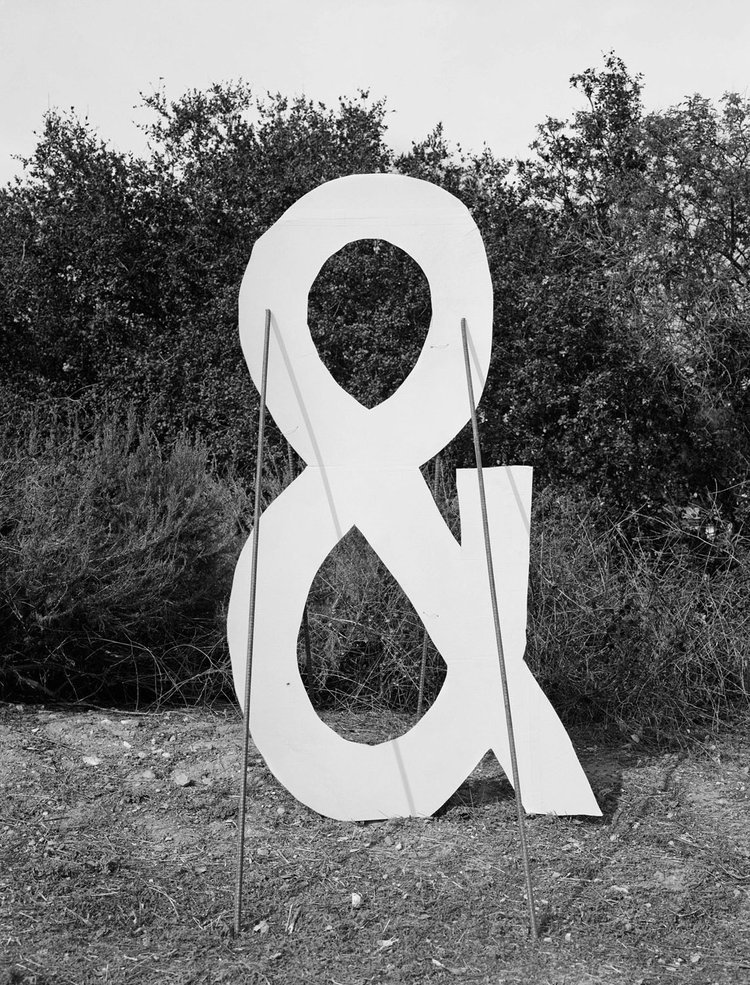
Shannon Ebner, Abersand

Proposal Context

During the pandemic artists were forced to stop and reflect on their work and the priorities that shape their work. An unnatural reevaluation took place. Social media was filled with "throwbacks" to previous work – the word "archive" became ubiquitous in the language of art institutions. This project emerges from the psychological and social ramifications of the pandemic on artists. It looks to delve into the hidden archives of the artist, the forms and expressions that never see the light of day, or haven't been explored through a medium outside the established repertoire of the artist.

This will be achieved through text exclusively to the exclusion of the image – text as image in a manner of speaking. Through the medium of silkscreen we will explore with six artists in three collaborative pairs how text, consciously or not, informs their practice. Text forms and informs the foundations of all art practice as preliminary notation or marginalia in the artist's favourite philosophical texts or novels. Text is mostly fugitive for the artist, as it is for the art critic in my experience, but we would like to bring those notations and marginalia to the foreground of the artist's practice as something that is not tangential to the practice proper but another way into the thinking and emotion behind the artist's work.

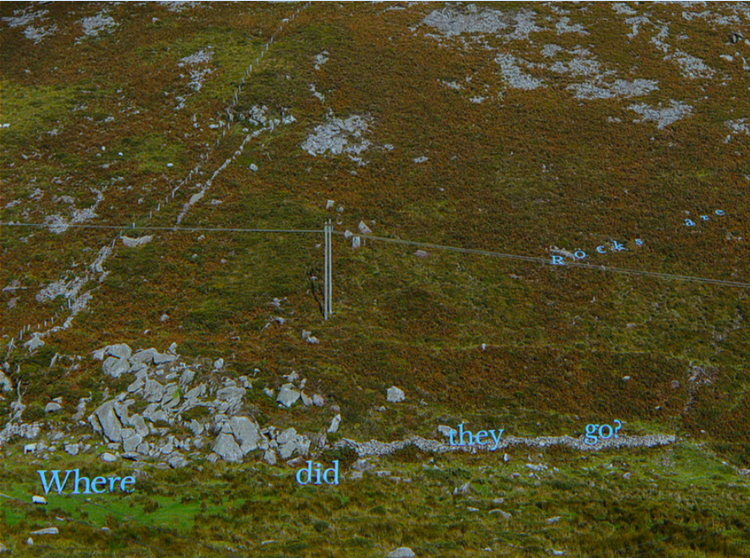
Art and text is a phenomenon of American art from Pop Art onwards in the work of Laurence Weiner, Ed Ruscha or contemporary inscriptions by Shannon Ebner and Frances Stark. Although text appears in art schools in Ireland in confessional ways, it rarely graduates into the art scene, where the image and object are valued commercially and visually. Essay film is one of the only expressions of text validated by art institutions in Ireland.

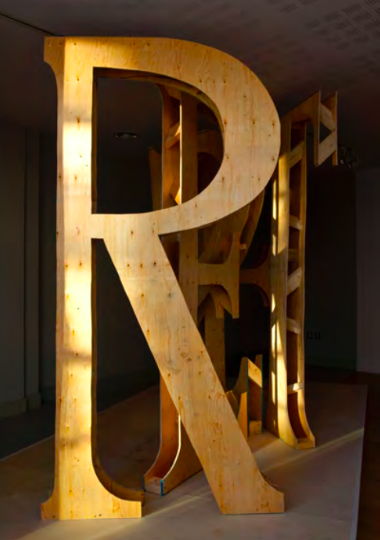
James Merrigan, Can’t see the tree for the wood, plywood, 2012, Mermaid Arts Centre

*Note: This journal will not produce essays or reviews in the conventional sense; "text" is defined here in the tradition of Art & Text, those of whom listed above are practitioners. The journal is provisionally titled Art&Text to make this explicit. 

Laura Fitzgerald, installation view of Cosmic Granny, 2019/2020, Photograph by Valerie O’Sullivan.

Editorial Team

The Editorial Team is a new direction for me as a producer and initiator of art projects that have a collaborative structure. For this project I wanted to work with the expertise of artists whom I respect as artists, but also who are empathetic to the conceptual aims in the administration and development of the project.

Laura Fitzgerald is a rare Irish artist who works with text both in self-publishing, film and the landscape. Text is delivered with the combined element of institutional critique and self-effacing wit. Alan Phelan, whose early paper-mache sculpture used the textual document of the newspaper, continues to inscribe his film, sculptural and photographic work with text, while also contributing to the art scene through art reviews. Like Laura, his text is delivered with wit underscored by queer theory and history.

I invited Laura and Alan into the process because I not only wanted them to feature in one of the printed issues, but also to advise, recommend featured Irish artists, and graphically shape the direction of the screen-printed issues. Their involvement will be twofold:

  1. In the editorial and graphic development of the project

  2. As featured artists themselves

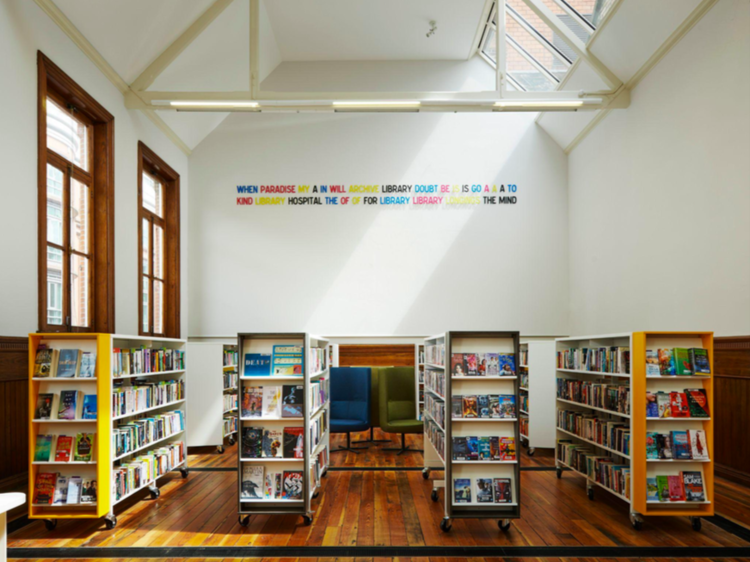
Alan Phelan, Library Words, 2018 powder-coated mild steel letters.

Planning and Production

The form that this project will take is a screen-printed “journal” – a journal being something associated with formative adolescence, secret diary entries, the bedroom and confessional writing in particular.

The editorial, commissioning and developmental phase will begin in January through to March. During this period the form and editorial of the journal will be developed by the editorial team; artists will be selected and invited into the process.

Summary of editorial & organising procedures:

  • Artists are given two months to conceive work & submit work for editing.

  •  Studio visits with contributing artists will take place with the editorial team during development

  • Editorial meetings will be held the month of production of each issue

  • One month will be given for the design & screen-printing of each issue.

  • 100+ copies of each issue will be printed; 50 pages per issue.

  • First issue launched at one of the partnership institutions in June.

  • The second & third issues will be launched in September & December.

  • Launch nights will be hosted by the RHA, TBG&S & Douglas Hyde Gallery

Link to press releases here

Supported by the Irish Arts Council Project Award 2022.

Arrangements (2019)

35 Artists At Large experienced through screen-printed posters & letters (“Orphans”) & 6 collaborative zines hosted by artist-run Pallas Projects Dublin.

Bassam Al-Sabah
Ella Bertilsson & Ulla Juske
Susan Buttner
Dorje De Burgh
Stephen Dunne
*Lily Cahill & David Fagan
Child Naming Ceremony
*Jessica Conway & Catherine Barragry
*Laura Fitzgerald & Katharine Barrington
Damien Flood
Michelle Hall
Austin Hearne
Ann Maria Healy
Sinead Keogh
Mollie Anna King
*Silvia Maglioni & Graeme Thomson aka Terminal Beach (invited by Katherine Waugh)
Jonathan Mayhew
Angela McDonagh
Glenn McQuaid
Celina Muldoon
Frances O’Dwyer
*Alan Phelan & Philipp Gufler
Liliane Puthod
Chris Steenson
Frank Wasser
*Lee Welch & Paul Hallahan
-------------------------
*Collaborative zines

Destroy All Heroes (2018)

Gorey School of Art’s Periphery Space | 27 JULY — 4 AUGUST 2018

LAURA FITZGERALD — DAVID GODBOLD — WILLIAM MURRAY — JOY GERRARD — RAYMOND PETTIBON (curated by James Merrigan & Emma Roche)

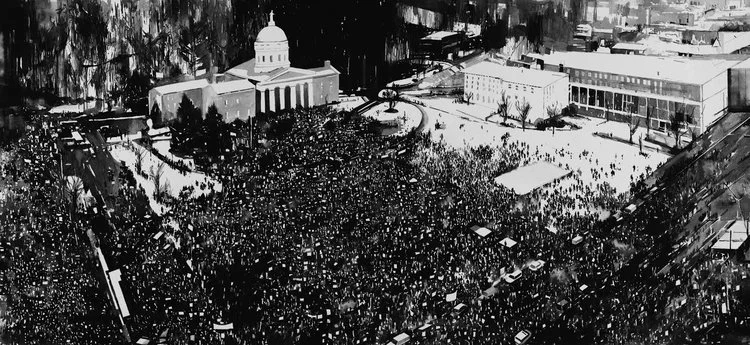
JOY GERRARD, Protest Crowd (Women's March, Montpellier 2017). 2018, Print on paper (120gsm) 10 x panels. Dimensions. 420cm x 220cm. Courtesy the artist.

DESTROY ALL HEROES is a group exhibition presenting artworks that explore the grey matter of thinking and feeling through the medium of drawing and text. Presenting four artists – Laura Fitzgerald, Joy Gerrard, David Godbold and William Murray – the exhibition begins where most superheroes begin, with the ZINE, defined as a cheaply-made, cheaply-priced publication, often in black and white, but brimming with the personalities and passions of its creators. 

The series of zines DESTROY ALL MONSTERS (1976-1979) by American “part-time punk band, part-time art collective” (Cary Loren, Mike Kelley, Niagara and Jim Shaw) is an influence that runs throughout the exhibition and its component parts, even in name. But as a mark of respect for subcultural tenets we have inverted Mike Kelley et al’s influence to put the head of the HERO on the chopping block in place of the MONSTER. 

From the outset the production of a ZINE made of Real white paper and Real black ink has been a Real desire, especially with Laura, Joy, David, and William in mind. We felt the DIY ZINE represented a kind of internalised and intimate propaganda for those caught on the edges of the socio-political-economic-cultural swell. We asked the question: Does the internalisation of something like propaganda, something that is meant for the poster/pulpit/throne for politician/priest/king have a different nature, a different purpose in the hands of the artist? 

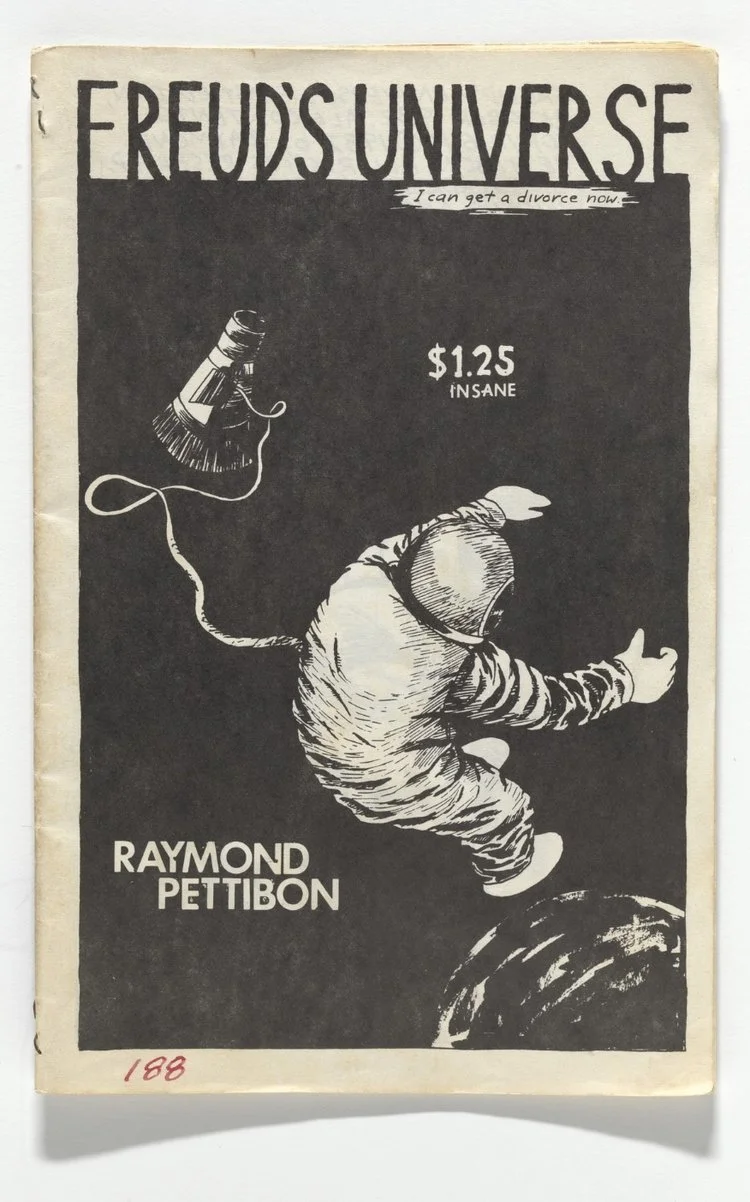
PRESENTATION of original raymond pettibon zine collection from the 1980s—courtesy of exhibiting artist david godbold. 

“A significant figure of the Southern Californian punk scene in the late 70s and 80s, Raymond Pettibon started his artistic career making scrappy zines, handbills and flyers for his band Black Flag and his brother’s record label, SST Pubs. These early zines feature comic-like illustrations paired with bizarre, ironic, and often seemingly disjointed text. Particularly focusing on the dissemination of post-war American culture, Pettibon works with recurring themes of sexuality, violence, youth-culture, religion and idols.” (Printed Matter, New York)

DESTROY ALL HEROES ZINE | 40 copies | €5

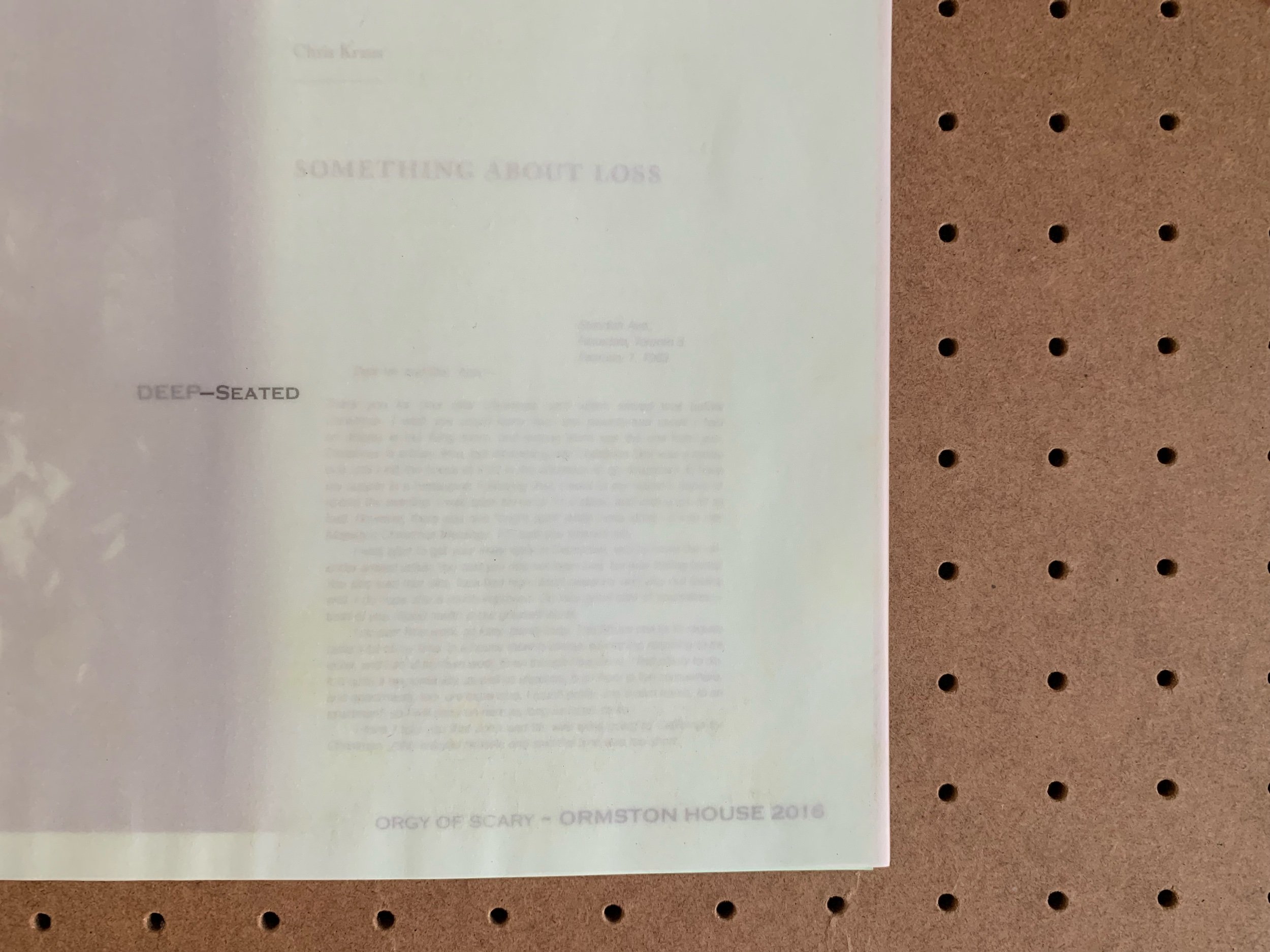
DEEP—SEATED (2016)

The project started with an invitation to artists whom I respected and felt would be open to say and share what’s under the professional mask of their art in a confessional and critical framework called Deep—Seated. It took a year to tease the artists out. The motivation to talk with them in what was, in essence, a psychoanalytic framework, came from a personal frustration with the dry, academic, self-serving, institutionally cradled discourse around art. I wasn’t being seduced anymore. Art was over-protected by the institutions that were both saving and suffocating it. I wanted to know what deep-seated desires and instincts lay behind this legitimising discourse. I wanted to create a context wherein artists would feel at ease to talk about their desires and instincts, fears and irritations with the world without footnotes. I wanted to be seduced by artists and art once again. I wanted to propose an alternative art scene; or at the very least imagine an art scene within the existing art scene that was its inverse, critically and sensually. The rest is memory. No recordings were made of the three public events, just memories that will redescribed by those in attendance. I supplied the artists with readings (primarily by Semiotext(e)) for each session. Fuck all people attended, and even though I was disappointed at first, after two public sessions without an audience per se, I decided that the third and final session would be private. It was the best outcome. Because what was said and shared in all three sessions—the desire of the project—would not have been said or shared if we had an audience. The whole project gave me an appreciation of the audience as a positive absence. I believe artists are isolationists, but like all deconstructive binaries, artists desire to be exhibitionists, even though they end up hating themselves for it when that desire comes to fruition.

Deep-Seated artists were: Alan Butler, Conor Mary Foy, Teresa Gillespie, Breda Lynch, Ian Black, Vicky Langan, Alan Phelan.

DEEP-SEATED: ORGY OF SCARY
ORMSTON HOUSE, LIMERICK : 1 APRIL : 6PM

ALAN BUTLER : CONOR MARY FOY : TERESA GILLESPIE : BREDA LYNCH IAN MC INERNEY : (CURATED BY JAMES MERRIGAN)

DEEP-SEATED is an experimental art project which takes as a starting point the psychoanalytic promotion of the ‘talking cure’. Something that psychoanalyst and essayist Adam Phillips said in conversation resonates throughout the project: “In your mind you’re mad... whereas in conversation things can be metabolised and digested through someone else.”

DEEP-DEATED is split into 3 public events in 3 cities at 3 art venues: Limerick, ? + ? For each conversation there will be approximately 5-8 participants. James Merrigan will ‘loosely’ chair each conversation around the themes: orgy of scary (Limerick); orgy of talk (TBC); orgy of naughty (TBC).

For each conversation each participant will briely describe an artist, an artwork, an everyday object, thing or feeling that is a source of influence, fetishisation or frustration in their art or life. Analysis and critique of described personas, artworks, things and feelings will be drawn out by the group of participants and audience in an open forum. Each participant will be asked to read a text that contextualises each conversation before each event.

Depending on availability, some of the participants will be asked to be present at 2 or 3 of the events to create a sense of continuity and the potential for elaboration on the previously ‘unsaid’ in the tradition of psychoanalysis.
Although the theories and language of psychoanalysis undergird DEEP- SEATED this project is, above all else, a conversation around art. For Merrigan psychoanalysis is all about activating deep discourse and relationships between people + people, subjects + subjects.

Psychoanalysis clings to other subjects like a symptom; it corrupts and challenges interpretation and insight; it seduces with its imagistic and linguistic base; it sees pathology in everything and anything. Art is invariably perverse and base through the psychoanalytic lens—but also revealingly and fundamentally human.

It is a chance to discuss and listen to art being discussed through an alternative discursive lens, one that can be seductive and fun.

Acting as documentation and an elaboration of what was discussed during the public talks, a booklet of confessional texts under the working title Madder Lake will be launched at Halloween 2016.

Deep-Seated was split into two public events and one private get-together:

  1. Deep-Seated #1: orgy of scary, hosted by Ormston House, Limerick, on 1 April, 6pm.

  2. Deep-Seated #2: orgy of naughty, hosted by Crawford College of Art, Cork. on 14 April, 6pm.

  3. Deep-Seated #3: orgy of shame, hosted by Temple Bar Gallery & Studios, Dublin, 7 July, 6pm.


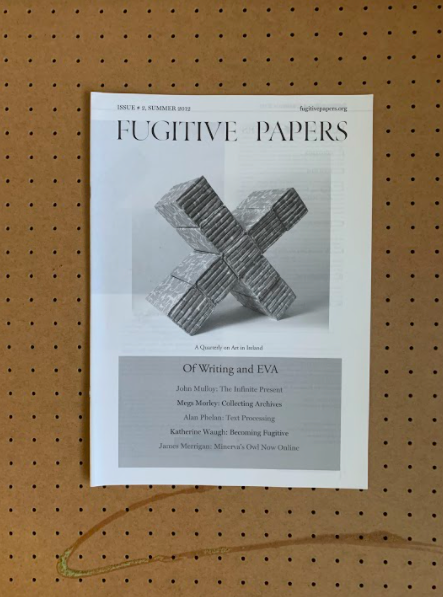
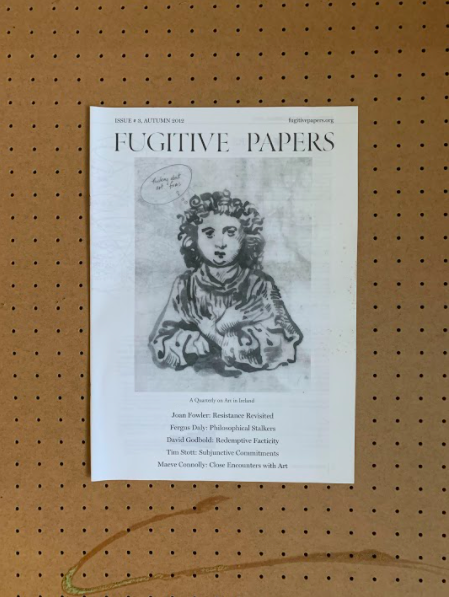
FUGITIVE PAPERS (2011-2013)

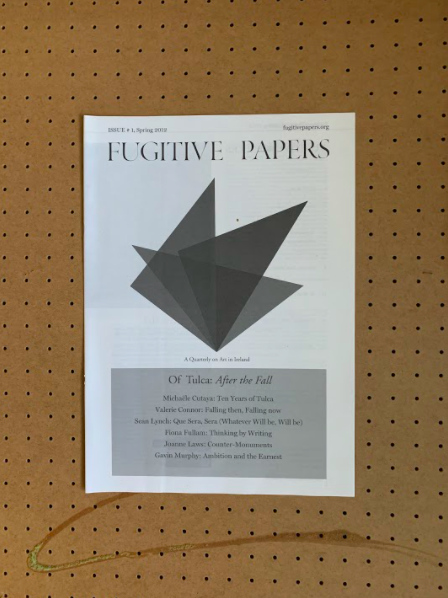
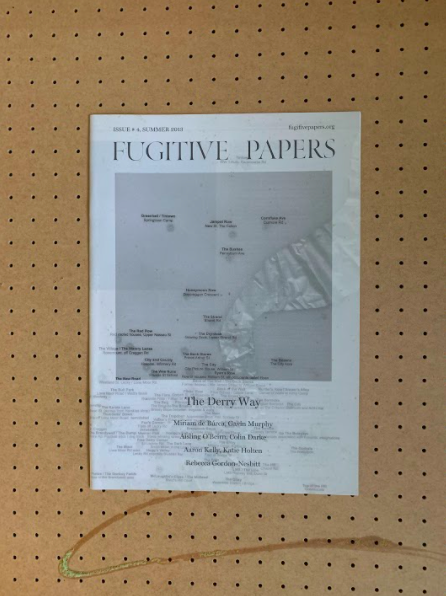
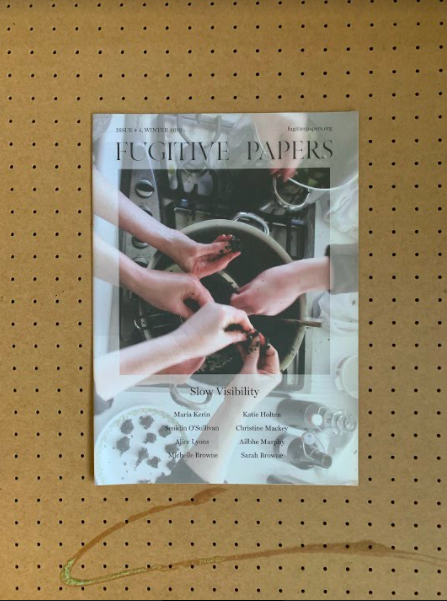
1st issue of Fugitive Papers, Spring 2012

Fugitive Papers was an artistic research project by James Merrigan and Michaële Cutaya to explore ideas about art, writing, criticality and public(s) in Ireland at the time. The project aimed at opening critical spaces to think, exchange and debate about art and art-writing through public discussions, printed publications and online. Fugitive Papers worked with artists, writers and publics to consider such questions as: Is there a public role for writings on art? What forms of publishing, presentation, distribution might produce new publics? Can we imagine the emergence of new critical publics in Ireland at this time? Five 20-page publications with commissioned critical writing and artworks, and eight public dialogues, made up the project between 2011-13. It was a good time of critical exchange, in person and in print, before it was substituted for the online populism of today.